I. Introduction
A. Definition and Importance of Procurement Dissertations

Writing procurement dissertations is a scholarly endeavor that delves into the comprehensive exploration of procurement processes and strategies within various industries. These dissertations aim to provide a thorough understanding of procurement's intricacies, from vendor selection to contract management. The importance of procurement dissertations lies in their contribution to academic knowledge and real-world applications.
By defining and analyzing procurement processes, scholars can uncover innovative approaches, address challenges, and contribute valuable insights to the field. Moreover, procurement dissertations play a pivotal role in shaping the future of procurement practices by fostering continuous learning and improvement within the discipline. Overall, these academic endeavors serve as a cornerstone for advancing knowledge and excellence in the dynamic realm of procurement.
B. Significance of Well-Written Procurement Dissertations
Well-written procurement dissertations hold significant importance in contributing to the academic and practical dimensions of procurement studies. A meticulously crafted dissertation serves as a valuable resource for both scholars and practitioners, offering insights into the complexities of procurement processes, strategic decision-making, and innovative practices. Such dissertations contribute to the advancement of knowledge by presenting well-researched analyses, addressing industry challenges, and proposing solutions.
Additionally, a well-written procurement dissertation provides a foundation for future research, guiding scholars toward unexplored areas and inspiring further inquiry. From an educational perspective, these dissertations enhance the learning experience for students, offering a comprehensive understanding of procurement concepts and their real-world applications. Ultimately, the significance of well-written procurement dissertations lies in their potential to shape the discourse, influence best practices, and foster continuous improvement within the field of procurement.
II. Understanding Procurement
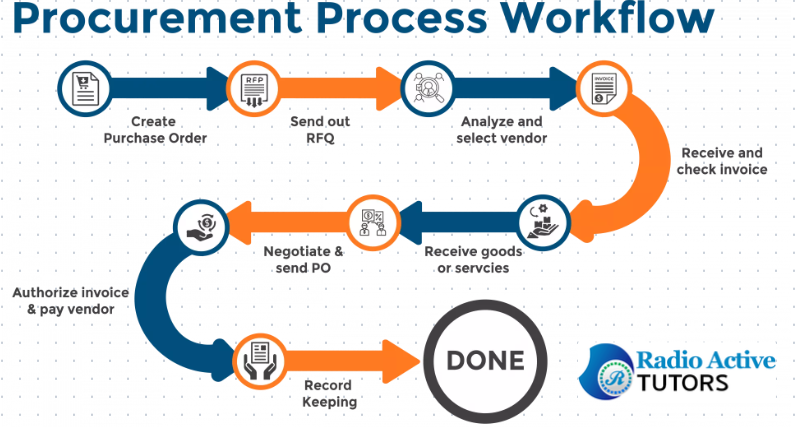
A. Overview of Procurement Processes
In the realm of writing procurement dissertations, a fundamental aspect is grasping the intricacies of procurement and providing a comprehensive overview of the procurement processes. Understanding procurement is essential for laying the groundwork of the dissertation, necessitating a clear definition and exploration of the procurement landscape. This involves delving into the core concepts, principles, and the role procurement plays in various industries.
Furthermore, the dissertation should offer an in-depth overview of procurement processes, encompassing key stages such as needs identification, vendor selection, negotiation, contracting, and evaluation. By thoroughly examining these processes, the dissertation aims to equip readers with a nuanced understanding of the sequential steps involved in procurement, thereby setting the stage for more detailed analyses and discussions in subsequent sections of the academic work.
B. Key Components of Effective Procurement
In the context of crafting procurement dissertations, a critical focus lies on unraveling the layers of understanding procurement, particularly by highlighting the key components essential for effective procurement practices. This segment of the dissertation involves dissecting the elements that contribute to successful procurement strategies. The analysis encompasses factors such as strategic planning, supplier relationship management, risk mitigation, and ethical considerations.
Each component is explored in detail to underscore its significance and impact on the overall procurement process. By elucidating these key components, the dissertation aims to provide a comprehensive framework that not only defines effective procurement but also guides future research and practical applications. The synthesis of these components forms a robust foundation for the subsequent sections of the dissertation, facilitating a more profound exploration of procurement dynamics and their implications in diverse organizational contexts.
III. Importance of Research in Procurement Dissertations

A. Role of Research in Building a Strong Dissertation
The importance of research in procurement dissertations cannot be overstated, as it plays a pivotal role in constructing a robust and insightful academic work. Research serves as the cornerstone for developing a deep understanding of procurement concepts, methodologies, and industry practices. Through rigorous investigation, scholars can uncover the latest trends, identify challenges, and explore innovative solutions within the realm of procurement.
Research also aids in substantiating arguments, validating hypotheses, and providing empirical evidence, thereby enhancing the credibility and academic rigor of the dissertation. Moreover, a well-researched procurement dissertation contributes to the broader academic discourse, offering valuable insights that can influence future studies and contribute to the continual evolution of procurement practices. In essence, the role of research in procurement dissertations is instrumental in building a strong foundation, fostering knowledge advancement, and making meaningful contributions to the field.
B. Identifying Research Gaps in Procurement Studies
The significance of research in procurement dissertations lies not only in the exploration of established knowledge but also in the identification of crucial research gaps within the field. Through thorough investigation, scholars can pinpoint areas where existing literature may be lacking or where new perspectives can be introduced. By identifying research gaps, the dissertation contributes to the academic discourse by proposing avenues for further exploration and inquiry.
This process not only adds value to the existing body of knowledge but also allows researchers to address unanswered questions and challenges in procurement studies. Consequently, the role of research in procurement dissertations extends beyond the presentation of information; it becomes a catalyst for innovation and contributes to the continual evolution of understanding within the dynamic landscape of procurement.
IV. Writing a Compelling Introduction

A. Grabbing the Reader's Attention
Crafting a compelling introduction in procurement dissertations requires skillful techniques to grab the reader's attention from the outset. One effective approach is to commence with a thought-provoking anecdote or a relevant real-world scenario that highlights the significance of procurement in modern business. Integrating a compelling statistic or quote from a prominent figure in the procurement field can also captivate the reader's interest.
Clearly articulating the scope of the dissertation and its relevance to current industry challenges sets the stage for a compelling narrative. Additionally, providing a concise overview of the research objectives and the unique contributions the dissertation offers to the procurement discourse establishes a sense of purpose. By engaging the reader with a compelling hook and clearly outlining the dissertation's importance, the introduction becomes a powerful tool for piquing interest and motivating the audience to delve deeper into the complexities of procurement.
B. Clearly Stating the Purpose of the Dissertation
In the introduction of procurement dissertations, a compelling opening involves clearly stating the purpose of the dissertation to provide readers with a roadmap for the ensuing exploration. Begin by succinctly outlining the overarching goal of the study, emphasizing the specific aspects of procurement that will be examined.
Clearly articulate the research questions and objectives, offering transparency about what the dissertation aims to achieve. This not only sets the tone for the entire document but also provides readers with a clear understanding of the focus and significance of the research. By providing a roadmap and elucidating the purpose upfront, the introduction ensures that readers are guided through the dissertation with a clear sense of direction, fostering engagement and comprehension from the outset.
V. Crafting a Compelling Thesis Statement

A. Elements of a Strong Thesis in Procurement
In the intricate landscape of procurement, a compelling thesis statement is crafted by incorporating key elements that form the backbone of a strong academic argument. A robust thesis in procurement should succinctly articulate the central theme, present a clear stance or perspective, and indicate the specific aspects or components under scrutiny. It needs to encapsulate the significance of the research question, the identified research gaps, and the overarching goal of the dissertation.
A well-crafted thesis in procurement serves as a roadmap, guiding the reader towards a deeper understanding of the chosen topic while promising insightful analysis and valuable contributions to the field. By incorporating precision, clarity, and a sense of purpose, the thesis statement sets the tone for a comprehensive exploration of procurement dynamics, ensuring the dissertation's cohesion and academic impact.
B. Aligning the Thesis with Research Objectives
A compelling thesis statement for procurement dissertations is one that precisely aligns with the research objectives, creating a roadmap for focused exploration. The strength of the thesis lies in its ability to concisely convey the primary aim of the research and its intended contributions to the field of procurement. By aligning the thesis with research objectives, it ensures that the core questions and goals of the study are clearly articulated.
This alignment not only establishes the purpose of the dissertation but also provides a framework for systematically addressing key aspects of procurement. It serves as a beacon, guiding the reader through the dissertation's content while highlighting the relevance and significance of the research objectives in advancing our understanding of procurement practices and strategies. Ultimately, a well-aligned thesis statement sets the stage for a cohesive and impactful exploration of the chosen procurement topic.
VI. Literature Review in Procurement Dissertations

A. Survey of Existing Procurement Literature
The literature review in procurement dissertations involves conducting a comprehensive survey of existing procurement literature, examining a wide array of scholarly works to provide a foundation for the dissertation's research. This critical phase aims to identify and analyze key theories, methodologies, and empirical findings relevant to the chosen topic. It begins with an overview of foundational concepts in procurement, such as strategic sourcing, supplier management, and ethical considerations.
Subsequently, the review delves into recent developments, emerging trends, and debates within the procurement landscape. Through this survey, the dissertation aims to establish the context of the study, identify gaps in current knowledge, and justify the significance of the chosen research questions. The literature review serves as a roadmap for understanding the evolution of procurement studies, ensuring that the dissertation contributes meaningfully to the existing body of knowledge in the field.
B. Analyzing Relevant Studies and Their Impact
The literature review in procurement dissertations involves a meticulous analysis of relevant studies and their impact on the understanding of procurement processes and strategies. This comprehensive examination includes a critical evaluation of seminal works, empirical studies, and theoretical frameworks that have shaped the field. The analysis extends beyond summarizing existing literature; it scrutinizes the methodologies employed, key findings, and the overarching contributions of each study.
By systematically dissecting the impact of these studies, the literature review aims to identify common themes, trends, and areas of consensus or contention within the procurement discipline. Additionally, it positions the dissertation within the broader academic discourse, highlighting the gaps and opportunities for further exploration. Through this analytical lens, the literature review becomes a pivotal component, laying the groundwork for the dissertation's unique contribution to advancing knowledge in the field of procurement.
VII. Methodology Section in Procurement Dissertations

A. Choosing the Right Research Methodology
The methodology section in procurement dissertations is crucial, demanding careful consideration in choosing the right research methodology to effectively address the research questions and objectives. The selection of the methodology hinges on the nature of the research, and in procurement studies, various approaches can be employed. Quantitative methods, such as surveys and data analysis, may be suitable for examining numerical trends, while qualitative methods, including interviews and case studies, can offer deeper insights into the complexities of procurement processes.
Mixed-methods approaches might also be considered for a comprehensive understanding. The rationale for the chosen methodology should be clearly articulated, outlining how it aligns with the research goals and contributes to the overall study. The methodology section serves as a blueprint for the research process, ensuring that the chosen approach is both rigorous and appropriate for investigating the intricacies of procurement within the dissertation's context.
B. Data Collection Techniques in Procurement Studies
In the methodology section of procurement dissertations, the selection of appropriate data collection techniques is paramount for a comprehensive study. Various methodologies can be employed to capture the multifaceted aspects of procurement studies. Surveys and questionnaires are effective for quantitative insights, providing statistical analysis of procurement trends. Interviews offer a qualitative approach, delving into the nuanced perspectives of procurement professionals.
Case studies provide in-depth examinations of specific instances, shedding light on real-world challenges and solutions. Document analysis extracts valuable information from contracts and reports, while observational research directly observes procurement processes in action. Focus groups facilitate group discussions, generating collective insights. The rationale for choosing these techniques should be clearly justified, ensuring they align with the research objectives and offer a holistic understanding of the intricate landscape within the procurement field.
VIII. Data Analysis and Interpretation

A. Statistical Tools for Procurement Data
In the realm of procurement dissertations, the phase of data analysis and interpretation is critical for deriving meaningful insights from collected information. Statistical tools play a pivotal role in this process, offering a systematic approach to unraveling patterns and trends within procurement data. Techniques such as regression analysis, correlation, and descriptive statistics enable researchers to quantitatively assess the relationships between variables and identify key factors influencing procurement outcomes.
Additionally, tools like data visualization through charts and graphs enhance the clarity of results, making complex procurement data more accessible. The utilization of statistical tools not only facilitates a rigorous analysis of the empirical findings but also contributes to the credibility and validity of the conclusions drawn in the procurement dissertation.
B. Drawing Meaningful Conclusions from Procurement Data
In the process of data analysis and interpretation within procurement dissertations, the primary objective is to draw meaningful conclusions from the collected data. This phase involves scrutinizing the information gathered through various methods and extrapolating key insights that contribute to a deeper understanding of procurement dynamics.
Researchers engage in systematic examination and interpretation of patterns, trends, and relationships within the data to derive conclusive findings. The aim is not only to present statistical outcomes but also to translate these results into actionable insights that can inform procurement practices. Through thoughtful interpretation, the data analysis phase serves as the bridge between raw information and valuable knowledge, enhancing the overall impact and relevance of the procurement dissertation.
IX. Addressing Ethical Considerations

A. Ethical Guidelines in Procurement Research
Addressing ethical considerations in procurement dissertations is imperative to maintain the integrity and credibility of the research process. Researchers must adhere to ethical guidelines to ensure the responsible conduct of procurement research. First and foremost, obtaining informed consent from participants is crucial, ensuring that they are fully aware of the study's purpose, procedures, and potential outcomes. Protecting the confidentiality and anonymity of participants is equally vital, particularly when dealing with sensitive information within the procurement context.
Additionally, researchers should be transparent about any potential conflicts of interest and disclose their affiliations to maintain objectivity. The use of accurate and unbiased data, along with a commitment to representing diverse perspectives, enhances the ethical standing of the dissertation. By upholding these ethical guidelines, researchers contribute to the trustworthiness and ethicality of procurement studies, fostering a responsible and credible academic environment.
B. Ensuring Integrity in Data Collection and Reporting
Ensuring the integrity of data collection and reporting is paramount when addressing ethical considerations in procurement dissertations. Researchers must uphold the highest standards of honesty, transparency, and accuracy throughout the research process. This begins with obtaining informed consent from participants, clearly outlining the purpose and procedures of the study. Maintaining the confidentiality of sensitive information and ensuring the anonymity of participants are essential ethical practices.
During data collection, researchers must avoid any form of manipulation or bias and accurately represent the collected information. When reporting findings, transparency about potential limitations and challenges is crucial. Disclosing any conflicts of interest and acknowledging the contributions of others also reinforces the ethical foundation of the dissertation. By prioritizing integrity in data collection and reporting, researchers contribute to the credibility and ethicality of procurement studies, fostering a culture of trust and responsibility within the academic community.
X. Developing a Strong Conclusion

A. Summarizing Key Findings
Developing a strong conclusion in procurement dissertations involves adeptly summarizing key findings to provide a comprehensive overview of the research outcomes. Begin by revisiting the main research questions and objectives, emphasizing how the study addressed these inquiries. Concisely highlight the most significant findings and insights gained through data analysis, demonstrating their relevance to the broader field of procurement.
It's essential to tie these findings back to the initial purpose of the dissertation, reinforcing the contribution made to academic knowledge or practical applications within the procurement domain. Additionally, acknowledge any limitations encountered during the research process and suggest areas for future investigation. Ultimately, a robust conclusion not only reaffirms the importance of the study but also leaves the reader with a clear understanding of the impact and implications of the research on the evolving landscape of procurement.
B. Emphasizing the Contribution to Procurement Knowledge
In crafting a robust conclusion for procurement dissertations, a paramount focus is placed on emphasizing the significant contribution the study has made to procurement knowledge. Summarizing the key findings and insights derived from the research process, the conclusion should underscore how these discoveries fill existing gaps in the understanding of procurement practices and strategies.
By reiterating the dissertation's main contributions, whether they be the identification of trends, the resolution of challenges, or the development of new insights, the conclusion solidifies the study's relevance within the broader field. This section serves to elevate the significance of the research, emphasizing its potential impact on shaping procurement theory, informing industry practices, or guiding future scholarly inquiry. Through a clear emphasis on the contribution to procurement knowledge, the conclusion becomes a pivotal element in leaving a lasting impression on the reader and reinforcing the academic merit of the dissertation.
XI. Citations and Referencing
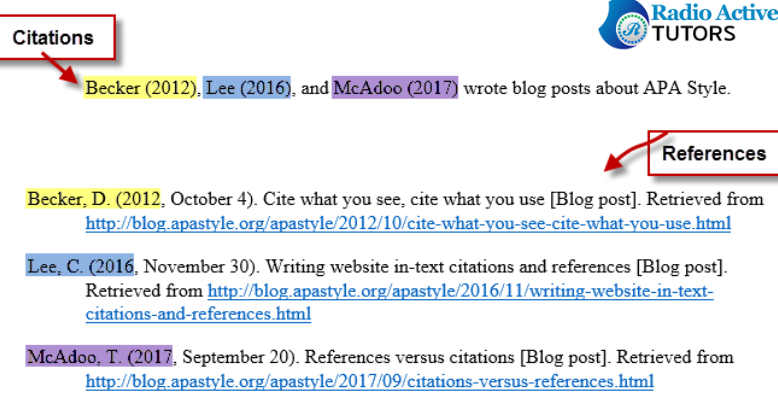
A. Properly Citing Sources in Procurement Dissertations
Properly citing sources in procurement dissertations is paramount to maintaining academic integrity and providing credibility to the research. Adhering to a consistent and recognized citation style, such as APA, MLA, or Chicago, is essential. When referencing sources within the dissertation, include accurate details such as the author's name, publication date, title, and page numbers for direct quotations.
Acknowledge diverse perspectives by citing a range of reputable sources, including scholarly articles, books, and industry reports. Ensure that each source cited in the text corresponds to a complete entry in the bibliography or reference list. Additionally, provide citations for data, statistics, or any information obtained from external sources. This meticulous approach not only avoids issues of plagiarism but also allows readers to trace and verify the information, enhancing the overall scholarly credibility of the procurement dissertation.
B. Following Citation Styles (APA, MLA, etc.)
In procurement dissertations, meticulous attention to following citation styles, such as APA, MLA, or other specified formats, is crucial for maintaining scholarly standards and ensuring clarity in referencing. Researchers must consistently apply the chosen citation style throughout the document. This includes properly formatting in-text citations for direct quotes, paraphrased information, or ideas derived from external sources.
The bibliography or reference list should be organized alphabetically and adhere to the specific guidelines of the chosen citation style, providing complete and accurate details for each source referenced. By adhering to a standardized citation style, the dissertation not only upholds academic integrity but also facilitates easy comprehension and verification of the sources used, contributing to the overall professionalism of the scholarly work in the field of procurement.
XII. Common Challenges in Writing Procurement Dissertations

A. Overcoming Writer's Block
Overcoming writer's block is a common challenge encountered in the process of writing procurement dissertations. This hurdle can manifest as a temporary inability to generate ideas, articulate thoughts, or make progress in the writing process. To tackle writer's block, consider employing various strategies. First, break down the writing task into smaller, more manageable sections, focusing on one aspect at a time. Freewriting and brainstorming can also help stimulate ideas and bypass mental roadblocks.
Taking short breaks, engaging in physical activity, or changing the writing environment can refresh the mind. Additionally, discussing ideas with peers or seeking feedback from advisors can provide new perspectives and insights. Establishing a consistent writing routine and setting realistic goals can contribute to a steady and productive writing flow. Embracing these strategies can empower researchers to overcome writer's block and make steady progress in crafting impactful procurement dissertations.
B. Managing Time Effectively During Dissertation Writing
Effectively managing time is a common challenge faced during the writing of procurement dissertations. The extensive nature of research, data analysis, and writing tasks can be overwhelming, leading to time-related stress. To address this challenge, researchers can implement strategic time management techniques.
Developing a detailed schedule or timeline that outlines specific tasks and deadlines helps create a structured approach to the dissertation process. Breaking down the work into smaller, manageable segments and setting achievable milestones can prevent procrastination and reduce the feeling of being overwhelmed. Prioritizing tasks based on their importance and deadlines ensures that crucial aspects of the dissertation receive attention. Additionally, establishing a routine, setting aside dedicated writing periods, and minimizing distractions contribute to focused and efficient work. By adopting effective time management strategies, researchers can navigate the complexities of dissertation writing in the procurement field with greater efficiency and productivity.
XIII. Seeking Feedback and Revisions
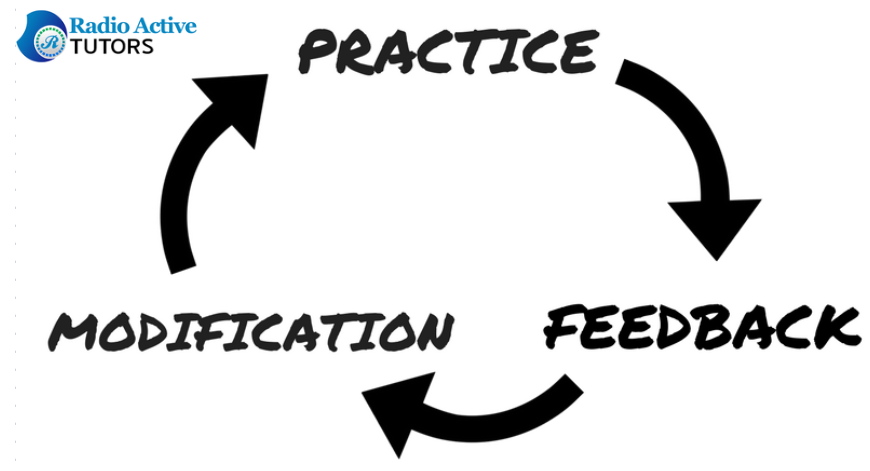
A. Importance of Peer Review in Dissertation Writing
Engaging in peer review is of paramount importance in the process of seeking feedback and revisions during the writing of procurement dissertations. Peer review offers a fresh and objective perspective on the dissertation, allowing researchers to identify areas for improvement and refine their work. Peers, who may have varying levels of expertise in procurement, can provide valuable insights, offer constructive criticism, and point out potential weaknesses or gaps in the argument.
This collaborative approach not only enhances the overall quality of the dissertation but also ensures that the research is accessible and understandable to a broader audience. Moreover, peer review promotes a culture of continuous improvement, allowing researchers to address blind spots and refine their ideas before the final submission. By valuing and incorporating peer feedback, researchers can strengthen the rigor and impact of their procurement dissertations.
B. Incorporating Constructive Feedback
Incorporating constructive feedback is a vital step in the process of seeking revisions for procurement dissertations. When receiving feedback from advisors, peers, or mentors, it is essential to approach it with an open mind and a focus on improvement. Firstly, carefully evaluate the feedback provided, identifying specific areas for enhancement or clarification. Consider the suggestions in the context of the dissertation's overall goals and objectives.
Engage in a dialogue with those providing feedback, seeking further clarification if needed. Prioritize the feedback based on its significance to the dissertation's quality and impact. During the revision process, ensure that changes are implemented thoughtfully and cohesively, maintaining the integrity of the research. By actively incorporating constructive feedback, researchers can refine their dissertations, enhance the overall quality of their work, and contribute to the robustness of the procurement knowledge they are presenting.
XIV. Presentation and Defense Preparation

A. Crafting an Engaging Presentation
Crafting an engaging presentation is a pivotal aspect of preparing for the defense of procurement dissertations. A successful presentation should not only convey the key elements of the research but also captivate the audience's attention. Start with a compelling introduction, clearly stating the purpose and significance of the dissertation. Organize the content in a logical flow, utilizing visual aids such as charts and graphs to enhance understanding.
Highlight key findings, methodologies, and contributions to the field while ensuring a balance between depth and clarity. Emphasize the practical implications of your research for the procurement industry. Conclude with a concise summary and be prepared for a thoughtful question and answer session. By meticulously crafting the presentation, researchers can effectively communicate the value of their work and engage the audience during the defense of their procurement dissertations.
B. Preparing for Questions and Defending Your Work
In preparation for the defense of procurement dissertations, anticipating questions and adeptly defending one's work is essential. A successful defense goes beyond presenting findings; it involves demonstrating a comprehensive understanding of the research's nuances. Researchers should anticipate potential questions related to methodology, data analysis, and the broader implications of their work.
Confidence in articulating the rationale behind their choices and addressing inquiries with clarity showcases the depth of their research. Additionally, being open to constructive criticism and offering thoughtful responses further solidifies the robustness of the dissertation. This dynamic engagement not only ensures a successful defense but also underscores the researcher's expertise and commitment to advancing knowledge in the field of procurement.
XV. Conclusion

In conclusion, successfully navigating the complex process of writing procurement dissertations involves several key steps. First and foremost, a compelling introduction sets the stage by clearly stating the purpose, research questions, and objectives. Ethical considerations should be addressed diligently throughout the research process to maintain credibility and integrity.
The literature review establishes the groundwork by surveying existing literature and identifying research gaps, while the methodology section outlines the chosen research approach and data collection techniques. During data analysis and interpretation, statistical tools are employed to derive meaningful conclusions. Citations and referencing, following established styles, ensure academic integrity. Common challenges, such as writer's block and time management, can be overcome with strategic approaches.
Seeking feedback, particularly through peer review, contributes to the refinement of the dissertation. Finally, a strong conclusion emphasizes the contribution to procurement knowledge. By following these key steps, researchers can craft impactful procurement dissertations that advance understanding and contribute to the evolving landscape of procurement practices.