Title: [Your Essay Title]
Introduction:
- Hook
- Background information
- Thesis statement
Body Paragraph 1:
- Topic sentence
- Supporting evidence
- Analysis
Body Paragraph 2:
- Topic sentence
- Supporting evidence
- Analysis
Body Paragraph 3:
- Topic sentence
- Supporting evidence
- Analysis
Conclusion:
- Restate thesis
- Summary of main points
- Closing thought
Understanding the 5-Paragraph Essay Format

The 5-paragraph essay is a traditional format that is useful across various types of essays. It consists of an introduction, three body paragraphs, and a conclusion. This structure is highly effective inargumentative-essay-about-capitalism-and-socialism-4-main-parts"> crafting argumentative essays, providing a clear and systematic way to present and support arguments.
1. Introduction: The introduction sets the stage for your essay. It begins with a hook to grab the reader’s attention, provides background information to contextualize the topic, and ends with a thesis statement that outlines the main argument or position of your essay.
2. Body Paragraphs: Each of the three body paragraphs focuses on a specific point that supports the thesis statement. The first body paragraph introduces the initial major point, the second adds additional support, and the third provides further depth to the argument.
3. Conclusion: The conclusion wraps up the essay by restating the thesis, summarizing the key points discussed in the body paragraphs, and offering a final thought or call to action. This section is crucial for reinforcing your argument and providing a sense of closure.
Introduction: Crafting the Opening
The introduction is critical in shaping the reader’s first impression of your essay. It must effectively draw the reader in and set the stage for the argument you are about to present.
1. Hook: Begin with a compelling hook to capture the reader’s interest. This could be a surprising statistic, an intriguing question, or a thought-provoking quote related to your essay topic. The hook’s primary purpose is to engage the reader and encourage them to continue reading.
2. Background Information: This helps the reader understand the significance of the issue and why it is being discussed. Background information should bridge the gap between the reader’s existing knowledge and the new insights you will provide.
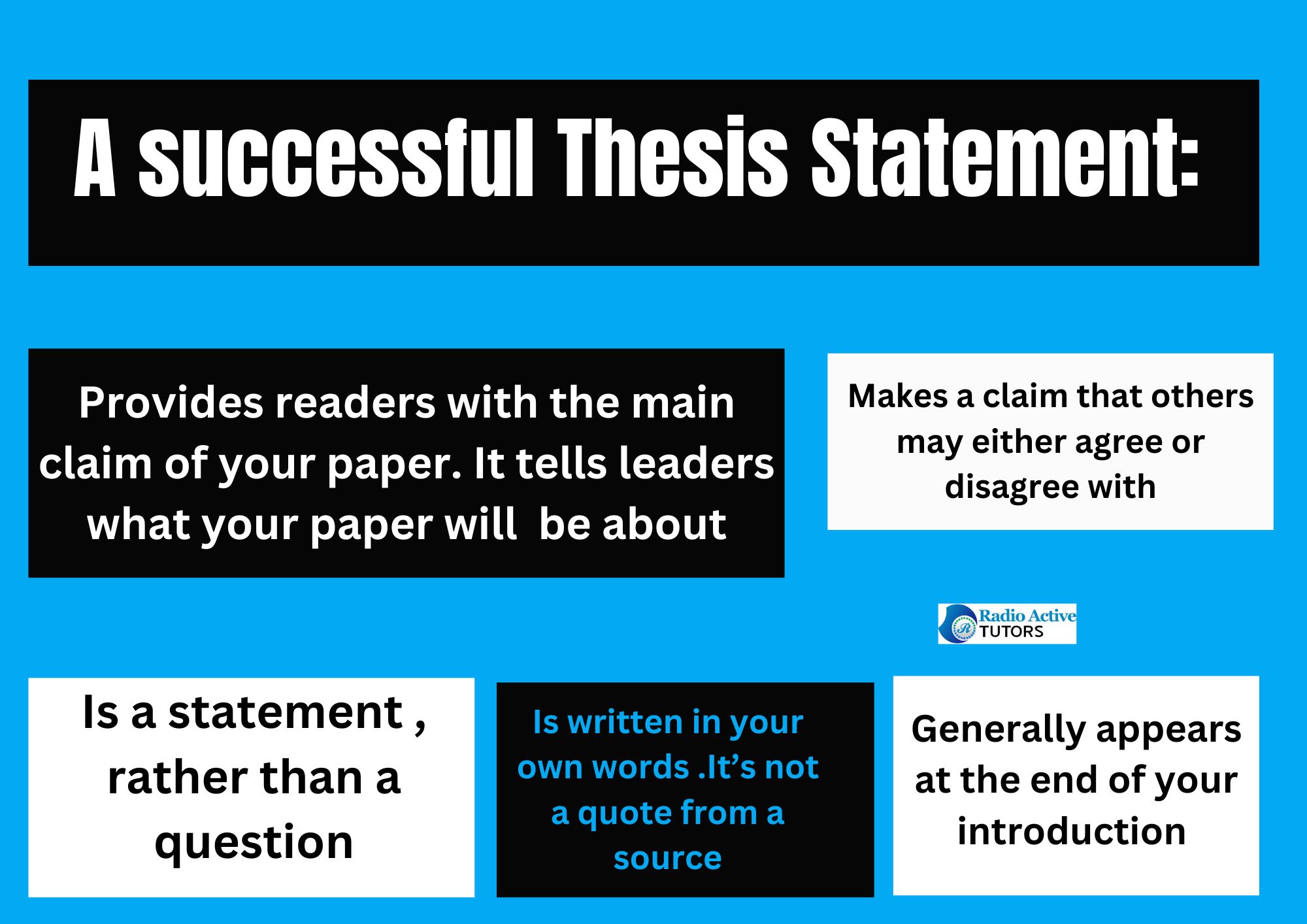
3. Thesis Statement: End the introduction thesis-statement">an effective , clear and concise thesis statement. The thesis statement is the foundation of your essay, outlining the main argument or position you will defend.
It serves as a guide for the body paragraphs and sets the direction for your writing. A strong thesis statement should be specific, debatable, and directly related to the essay topic.
Body Paragraph 1: Presenting the First Supporting Point
Each body paragraph in the 5-paragraph essay should focus on a distinct point that supports the thesis statement. The first body paragraph is dedicated to introducing the initial major point of your argument.
1. Topic Sentence: Start with a topic sentence that clearly states the main idea of the paragraph. The topic sentence should relate directly to the thesis statement and set the stage for the supporting evidence you will present. It acts as a mini-thesis for the paragraph.
2. Supporting Evidence: Provide relevant supporting evidence to back up your topic sentence. This evidence can include facts, statistics, expert opinions, or specific examples.
Supporting evidence is crucial for substantiating your argument and demonstrating its validity. It provides the foundation for your claims and helps persuade the reader of your position.
3. Analysis: After presenting the evidence, include an analysis that explains how this evidence supports your thesis. The analysis connects the evidence to your main argument, highlighting its significance and relevance.
Effective analysis reinforces your thesis and ensures that your argument is well-developed and coherent.
Body Paragraph 2: Introducing Additional Support
The second body paragraph builds on the argument by introducing a new supporting point. This paragraph adds depth and further reinforces the thesis statement.
1.Topic Sentence: Begin with a topic sentence that presents the central idea of the paragraph. This sentence should align with the thesis and set up the discussion for the paragraph. It should transition smoothly from the previous paragraph and introduce a new aspect of your argument.
2. Supporting Evidence: Offer supporting evidence that reinforces the topic sentence. This evidence should complement, but not duplicate, the evidence provided in the first body paragraph.
By presenting diverse evidence, you strengthen your argument and demonstrate thorough research. Variety in evidence helps maintain the reader’s interest and provides a more comprehensive view of your argument.
3. Analysis: Discuss how the supporting evidence contributes to your thesis. The analysis should explain the significance of the evidence and how it supports your overall argument.
This helps integrate the new point into the broader context of your essay, ensuring that each paragraph builds upon the last.
Body Paragraph 3: Adding Further Depth
The third body paragraph presents another key point that supports your thesis statement. This paragraph is crucial for adding further depth to your argument and ensuring that all aspects of your thesis are thoroughly explored.
1.Topic Sentence: Start with a topic sentence that introduces the main idea of this paragraph. The topic sentence should be relevant to your thesis and prepare the reader for the evidence and analysis that will follow. It should also provide a smooth transition from the previous paragraph.
2. Supporting Evidence: Provide additional supporting evidence to substantiate the topic sentence. This evidence should be well-chosen and relevant, adding value to your argument.
Ensuring that the evidence is diverse and impactful enhances the overall strength of your essay. It also helps to maintain the reader’s engagement and interest.
3. Analysis: Include an analysis that explains how the evidence supports your thesis. The analysis should connect the evidence to your main argument, highlighting its importance and relevance.
Effective analysis ensures that the final body paragraph contributes meaningfully to the essay and reinforces your overall argument.
Conclusion: Summarizing and Closing

The conclusion is where you bring everything together and provide a final perspective on your argument. It is an opportunity to restate your thesis, summarize key points, and leave a lasting impression.
1. Restate the Thesis: Start by restating the thesis statement in a new way. This reinforces the central argument of your essay and reminds the reader of the main message. Restating the thesis helps to bring closure to your argument and ties the essay together.
2. Summary of Main Points: Briefly summarize the key points discussed in each body paragraph. This recap reinforces your argument and reminds the reader of the evidence supporting your thesis.
Summarizing the main points provides a clear overview of the essay’s content and reinforces the coherence of your argument. Radioactive Tutors offers FREE essay summary to all our first time clients !
3. Call to Action or Closing Thought: End with a compelling final thought or call to action. A call to action encourages the reader to take specific steps or consider further implications of your argument.
A closing thought might reflect on the broader significance of the topic or inspire the reader to think more deeply about the issue. The conclusion should leave a lasting impression and provide a sense of closure.