New Order Found Please Review the order ASAP for the client to
proceed

Unread Message Found Please check the message ASAP and reply to client

Table of Contents
I. Introduction
II. The Art of Summarizing
III. Types of Summary Papers
IV. Utilizing Summary Papers in Business Management
V. Mastering the Art of Effective Summarization
VI. Challenges in Creating Summary Papers
VII. Tips for Creating Effective Summary Papers
VIII. Future Trends in summarizing papers in business management
IX. Conclusion of Summary Papers in Business Management
I. Introduction
A. Definition of Summary Papers
Crafting summary papers in business management involves the skillful condensation of complex information into a concise document. These papers serve as streamlined overviews of larger bodies of work, distilling key insights, findings, and recommendations.
The primary objective is to present the essential elements of a topic, report, or research study in a manner that is easily digestible for a broader audience. A well-crafted summary paper in business management is characterized by clarity of purpose, identification of key points, conciseness, a logical structure, accessible language, and objectivity. It aims to provide a quick understanding of the subject matter, making it an invaluable tool for executives, researchers, and professionals seeking to stay informed in the dynamic field of business management.
B. Significance in Business Management
Crafting summary papers in business management holds significant value in the corporate world. These succinct documents play a crucial role in distilling intricate business concepts, research findings, or reports into manageable and accessible formats.
The significance lies in their ability to save time for busy professionals by offering a quick grasp of essential information without the need to delve into extensive materials. Executives, managers, and decision-makers often rely on well-crafted summaries to stay informed about key developments, industry trends, and relevant research.
Furthermore, summary papers in business management facilitate effective communication within organizations, enabling stakeholders to make informed decisions efficiently. In the fast-paced and information-intensive realm of business management, the skillful creation of summary papers proves indispensable for maintaining a competitive edge and informed decision-making.
C. Overview of the Article
Crafting summary papers in business management is a pivotal skill that involves distilling comprehensive articles or reports into concise overviews. The process entails identifying and highlighting the core elements, such as key findings, recommendations, and essential insights, to create a condensed yet comprehensive representation of the original work.
These summaries serve as efficient tools for busy professionals, offering a quick understanding of complex business concepts without the need to sift through lengthy documents. A well-crafted summary not only saves time but also enhances communication by providing a clear snapshot of crucial information. In essence, the art of crafting summary papers in business management empowers professionals to stay informed, make informed decisions, and navigate the complexities of the business landscape with agility.
II. The Art of Summarizing

A. Importance of Summarization Skills
The art of summarization in the context of summary papers in business management underscores the paramount importance of summarization skills. These skills play a pivotal role in distilling complex and voluminous information into concise yet comprehensive summaries.
In the fast-paced and information-rich environment of business management, the ability to extract key insights, trends, and critical details is a strategic asset. Summarization skills not only save time but also enhance communication efficiency by providing a clear and accessible overview of intricate business concepts, reports, or research findings.
Proficiency in summarization empowers professionals to navigate the wealth of information, make informed decisions, and effectively communicate key messages to stakeholders. As such, the art of summarization stands as an indispensable skill set for individuals seeking success and impact in the dynamic field of business management.
1. Enhancing Understanding
Summary papers in business management underscore the vital role of summarization skills in enhancing understanding within the professional sphere. These skills empower individuals to distill complex information, whether it be detailed reports, research studies, or intricate business concepts, into concise and comprehensible summaries.
By extracting and presenting key insights, summarization skills facilitate a clearer and more accessible comprehension of intricate subject matter. This is particularly valuable in a fast-paced business environment where time is a precious resource. Professionals equipped with effective summarization skills can quickly grasp the core elements of information, fostering not only their own understanding but also facilitating clearer communication with peers, stakeholders, and decision-makers.
Ultimately, the importance of summarization skills lies in their ability to streamline the absorption and dissemination of crucial information, contributing to informed decision-making and overall effectiveness in the realm of business management.
2. Time Efficiency
In the realm of business management, summary in business management papers play a pivotal role in optimizing time efficiency, underscoring the importance of strong summarization skills. These papers act as condensed versions of comprehensive reports, research findings, or intricate business concepts, allowing professionals to quickly glean essential information without navigating through extensive documents.
Summarization skills enable the distillation of key insights, facilitating swift comprehension and decision-making in time-sensitive situations. The ability to extract and present crucial information concisely not only saves valuable time for busy professionals but also enhances overall productivity. In a fast-paced business environment, where rapid access to pertinent information is paramount, the proficiency in summarization skills becomes a strategic asset for effective time management and informed decision-making in business management.
3. Decision-Making Advantages
Summary papers in business management hold significant importance in leveraging the advantages of summarization skills, particularly in the realm of decision-making. Adept summarization skills enable professionals to distill complex reports, research, or business concepts into succinct overviews, providing decision-makers with a rapid and focused understanding of key insights.
This streamlined access to essential information enhances the decision-making process by saving time and reducing cognitive load. Decision-makers armed with well-honed summarization skills can quickly assess critical details, weigh options, and make informed choices with confidence.
The efficiency gained through summarization not only contributes to better decision-making but also positions professionals for a competitive edge in navigating the complexities of contemporary business management. In essence, the ability to create effective summary papers amplifies the impact of summarization skills, offering tangible advantages in the dynamic landscape of decision-making within the business domain.
III. Types of Summary Papers

A. Executive Summaries
Executive summaries represent a specific type of summary papers in business management commonly used in business and professional settings. These succinct documents encapsulate the key elements of a longer report, proposal, or document, tailored for busy executives and decision-makers.
Typically, an executive summary provides a concise overview of the main objectives, findings, recommendations, and crucial insights, allowing senior leaders to grasp the essential information quickly. The language used is clear, non-technical, and focused on strategic considerations.
Executive summaries are instrumental in facilitating efficient decision-making, enabling executives to make informed choices without delving into the entirety of lengthy reports. Their brevity and emphasis on critical points make executive summaries a vital communication tool in the fast-paced world of business, offering a snapshot of information essential for strategic decision-makers.
1. Purpose and Scope
The purpose of an executive summary is to distill the essential information from a comprehensive document, report, or proposal, catering specifically to executives and decision-makers. It serves as a concise overview, highlighting key findings, recommendations, and insights. The primary aim is to save time for busy professionals by offering a quick understanding of the core content in summary papers in business management without the need to delve into the full document.
The scope of an executive summary is strategic, focusing on the most critical aspects that contribute to informed decision-making. It provides a snapshot of the document's purpose, key objectives, and important outcomes, ensuring that executives can efficiently grasp and act upon the pivotal information relevant to their roles and responsibilities. In essence, executive summaries streamline communication and enhance efficiency in decision-making processes within the dynamic landscape of business management.
2. Key Components
Key components of executive summaries include a concise introduction outlining the document's purpose, a summary of key objectives, main findings, and pertinent recommendations. The language is clear, avoiding unnecessary technical details to ensure accessibility for a non-specialist audience. Strategic insights are emphasized, focusing on critical aspects relevant to decision-makers.
The executive summary often encapsulates the document's essence by presenting essential information in a condensed and organized format. Additionally, it may briefly touch upon the methodology, conclusions, and potential next steps. The goal is to provide executives with a quick but comprehensive understanding of the document's core content, facilitating efficient decision-making within the fast-paced environment of business management.
B. Research Summaries

These are summary papers in business management or any other field that serve as concise encapsulations of comprehensive research studies, condensing intricate findings and methodologies into a brief format. These summaries typically provide an overview of the research question, methodology employed, key findings, and their implications.
The aim is to offer readers a quick understanding of the study's significance without delving into the entire research document. Clear and accessible language is essential, ensuring that the summary can be comprehended by both specialists and non-specialists. Research summaries play a vital role in disseminating research outcomes efficiently, aiding professionals, policymakers, and the broader public in staying informed about the latest developments in various fields.
1. Extracting Key Findings
Research summaries play a crucial role in distilling complex studies by extracting key findings. These summaries provide a concise overview of the most significant results and insights obtained from a detailed research endeavor. The process involves carefully identifying and presenting the essential information, such as major discoveries, trends, or noteworthy outcomes, while omitting less critical details.
By focusing on the extraction of key findings, research summaries enable readers to quickly grasp the core contributions of the study without delving into the extensive methodology or minutiae of the research. This approach enhances accessibility and facilitates the dissemination of valuable knowledge to diverse audiences, ranging from academics and professionals to policymakers and interested individuals.
2. Condensing Methodologies
Research summaries are instrumental in condensing complex methodologies employed in research studies. These succinct documents distill the intricate processes and approaches used to gather data and derive conclusions, offering a streamlined overview.
The condensation of methodologies in research summaries involves highlighting the key research methods, experimental designs, or analytical techniques without getting into exhaustive details. This approach aims to make the research process comprehensible to a broader audience, including those without specialized knowledge in the field.
By presenting a concise overview of the research methodology, these summaries enhance accessibility and allow readers to quickly understand the foundational aspects of the study's investigative approach without delving into the technical intricacies.
IV. Utilizing Summary Papers in Business Management
A. Strategic Planning

Utilizing summary papers in business management is instrumental in the realm of strategic planning. These condensed documents distill essential information, such as market trends, competitor analyses, and key performance indicators, enabling strategic planners to swiftly grasp critical insights.
Summary papers in business management play a pivotal role in aligning teams and stakeholders by providing a clear snapshot of the strategic objectives and action items. This streamlined communication is especially valuable in the fast-paced business environment, allowing for efficient decision-making and the alignment of resources with strategic goals.
By offering a focused overview of pertinent details, summary papers become indispensable tools for executives and strategic planners seeking to navigate the complexities of business strategy with agility and precision.
1. Distilling Business Strategies
Utilizing summary papers in business management proves invaluable for distilling intricate business strategies into clear and concise formats. These papers play a crucial role in capturing the core elements of strategic plans, distilling key objectives, action items, and critical success factors. By condensing complex strategies into accessible summaries, businesses can enhance communication and ensure that all stakeholders, from executives to team members, have a quick and comprehensive understanding of the company's direction.
This facilitates efficient decision-making, alignment of efforts, and effective implementation of strategic initiatives. Summary papers in business management thus emerge as essential tools in the dynamic landscape of business management, enabling organizations to articulate and execute their strategies with precision and clarity.
2. Identifying Critical Success Factors
Utilizing summary papers in business management is instrumental in efficiently identifying critical success factors (CSFs). These concise documents distill extensive information to highlight key elements that are pivotal to the success of a business initiative, project, or strategy. Summary papers allow managers and decision-makers to quickly grasp the essential factors that contribute most significantly to achieving objectives.
By presenting a focused overview, these papers facilitate a swift understanding of what aspects are crucial for success, enabling organizations to prioritize resources, make informed decisions, and navigate complexities more effectively. The utilization of summary papers in business management in this context serves as a strategic tool for aligning efforts and ensuring that stakeholders remain focused on the factors that truly drive success in the dynamic landscape of business management.
B. Decision-Making
The utilization of summary papers in business management significantly enhances decision-making processes. These concise documents distill complex information, such as market analyses, financial reports, or project updates, into easily digestible overviews. By providing decision-makers with a quick yet comprehensive understanding of critical details, summary papers in business management empower them to make informed choices more efficiently.
This is particularly crucial in the fast-paced business environment where timely decisions are paramount. Summary papers streamline the decision-making process by presenting key insights, risks, and recommendations in a focused manner, allowing executives and managers to allocate resources strategically and respond promptly to evolving challenges. In essence, the effective use of summary papers becomes a strategic asset for ensuring agility and precision in decision-making within the dynamic landscape of business management.
1. Quick Reference for Decision Makers
Summary papers in business management serve as invaluable quick references for decision-makers in the realm of business management. These succinct documents distill complex information, such as market trends, financial analyses, or project updates, into easily accessible overviews.
Decision-makers can efficiently review key insights, recommendations, and critical data points without delving into extensive reports. This quick reference capability is essential in the fast-paced business environment, enabling executives and managers to stay informed and make strategic decisions on the go.
Summary papers in business management act as condensed repositories of essential information, empowering decision-makers with the timely insights they need to navigate challenges, allocate resources wisely, and steer the organization toward success.
2. Aligning with Organizational Goals
Utilizing summary papers in business management is pivotal for aligning with organizational goals. These succinct documents distill complex strategies, performance metrics, and key initiatives into clear and accessible overviews. By offering a consolidated snapshot of critical information, these summary papers in business management enable all stakeholders to quickly understand and align with the overarching objectives of the organization.
This alignment is crucial for fostering a unified understanding of the company's direction, ensuring that teams at all levels work cohesively toward common goals. Summary papers in business management, as strategic communication tools, not only facilitate informed decision-making but also contribute to a shared vision, fostering a more agile and goal-oriented organizational culture within the dynamic landscape of business management.
V. Mastering the Art of Effective Summarization

A. Identifying Key Information
This involves the skillful process of identifying key information. This essential step requires a keen understanding of the subject matter and the ability to discern the most crucial elements within a larger body of content. Successful summary papers in business management entails distilling complex ideas, key findings, or pertinent details to their essence while omitting less essential information.
By honing the ability to identify and prioritize key information, individuals can create summaries that are not only concise but also convey the core message or insights. Whether summarizing articles, reports, or discussions, this mastery allows for efficient communication and a clear presentation of essential details, making the summarization process a valuable skill in various professional and academic contexts.
1. Critical vs. Supporting Information
Mastering the art of effective summarization involves a nuanced understanding of the distinction between critical and supporting information. This skill requires the ability to identify the core elements that form the backbone of a concept, argument, or narrative, distinguishing them from supplementary details. Critical information encapsulates the key ideas, main arguments, or pivotal findings that are fundamental to the overarching message in the summary papers in business management. \
On the other hand, supporting information provides context, examples, or additional details that contribute to a comprehensive understanding but may not be essential to the core message. The art of summarization lies in synthesizing critical information while judiciously incorporating supporting details to maintain context and clarity. By navigating this balance, individuals can craft succinct summaries that convey the essence of the content without unnecessary elaboration, enhancing the impact and effectiveness of their summarization skills.
2. Filtering Noise in Data
Mastering the art of effective summarization involves the skillful task of filtering noise in data. In a world inundated with information, the ability to discern and extract crucial signals from the surrounding noise is paramount. This process requires a keen eye for identifying the most relevant and impactful elements within a dataset, report, or discussion.
Effective information captured in summary papers in business management entails separating essential information from extraneous details, ensuring that the core message remains clear and concise. By adeptly filtering out the noise, individuals can distill complex data into manageable summaries that convey the key insights without overwhelming the audience. This skill proves invaluable in various professional contexts, allowing for streamlined communication and the efficient transmission of essential information in an era characterized by information abundance.
B. Structuring a Summary
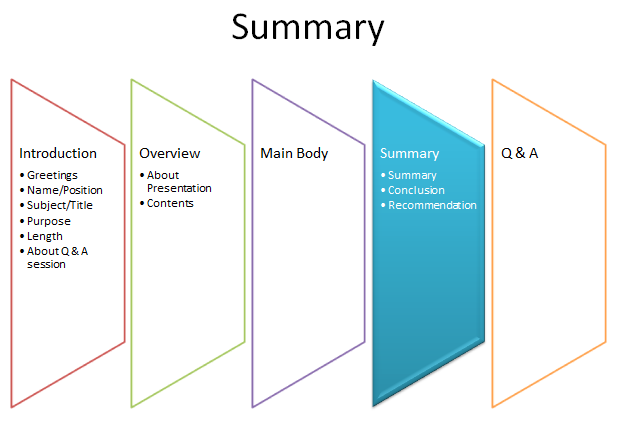
Mastering the art of effective summarization is pivotal in structuring summary papers in business management. This skill involves a strategic approach to organizing information, ensuring that the summary flows logically and cohesively. A well-structured summary paper in business management typically begins with a concise introduction that outlines the purpose and context.
The body is organized to present key findings, crucial insights, or strategic recommendations in a clear and sequential manner. Each section reinforces the central message without unnecessary details. Finally, a succinct conclusion summarizes the key takeaways.
The art of structuring summary papers in business management lies in creating a framework that captures the essence of the original material while maintaining brevity and clarity. A well-organized summary not only facilitates understanding but also aids decision-makers in quickly extracting the most critical information in the complex landscape of business management.
1. Introduction
Mastering the art of effective summarization is especially critical in the introduction of summary papers in business management. This skill involves crafting an opening that concisely sets the stage for what follows. An effective introduction should provide a brief context for the subject matter, outline the purpose of the summary paper, and establish its relevance to the broader business context.
By skillfully framing the summary, individuals can pique the reader's interest, highlight the significance of the information to be presented, and create an immediate connection between the content and its practical implications. A well-crafted introduction sets the tone for the rest of the summary, enticing readers to delve into the condensed information with a clear understanding of its importance in the dynamic landscape of business management.
2. Body: Key Points
Mastering the art of effective summarization is particularly evident in shaping the body of summary papers in business management. This skill involves crafting a body that strategically presents key information, findings, and insights derived from complex sources.
Each section within the body is meticulously structured to convey critical points, supporting details, and relevant data in a coherent manner. The art lies in selecting and synthesizing information to maintain the essence of the original content while ensuring conciseness.
Well-organized and logically sequenced, the body of summary papers in business management are designed to provide a comprehensive yet streamlined understanding of the subject matter. Mastering this aspect of summarization is crucial for creating summary papers that are both informative and accessible in the dynamic and fast-paced landscape of business management.
3. Conclusion
Mastering the art of effective summarization is exemplified in crafting compelling conclusions for summary papers in business management. This skill involves synthesizing the key takeaways and summarizing the most critical insights in a succinct and impactful manner.
The conclusion of summary papers in busines management or any other field serves as the final impression, leaving the reader with a clear understanding of the significance of the presented information. It reiterates the main points, reinforces key messages, and often suggests potential implications or recommended actions.
The art lies in striking the right balance between brevity and completeness, ensuring that the conclusion encapsulates the essence of the entire summary. A well-crafted conclusion enhances the overall effectiveness of a summary paper, providing decision-makers and stakeholders with a concise and memorable summary of the key elements in the complex landscape of business management.
VI. Challenges in Creating Summary Papers

A. Information Overload
One of the significant challenges in creating summary papers in business management is grappling with information overload. In an era of abundant data and diverse information sources, distilling the most critical elements while avoiding unnecessary details can be daunting. The challenge lies in navigating through the wealth of information to identify key insights that are pertinent to the audience.
Striking a balance between providing comprehensive coverage and avoiding overwhelming the reader becomes crucial. Skilled summarization involves not only selecting the most relevant information but also presenting it in a concise and digestible manner. Addressing the challenge of information overload requires a keen understanding of the subject matter and a strategic approach to ensure that the summary paper remains focused, informative, and impactful.
1. Coping Strategies
Navigating the challenges in creating summary papers in business management demands the implementation of effective coping strategies. One significant challenge is the need to condense complex information while retaining its critical essence. Coping with this involves honing the ability to prioritize key insights and omit superfluous details.
Additionally, managing time constraints and ensuring the summary aligns with the target audience's level of understanding pose additional hurdles. Coping strategies include a systematic approach to information selection, clear communication, and leveraging technology for efficiency. Collaborative efforts and feedback loops also prove instrumental in refining summaries.
Ultimately, by employing adaptive coping strategies, individuals can overcome the challenges inherent in crafting concise and impactful summary papers in the dynamic landscape of business management.
B. Maintaining Objectivity
Maintaining objectivity poses a notable challenge in creating summary papers in business management. Striking a balance between distilling information and presenting it without introducing personal biases or interpretations can be intricate.
The challenge lies in ensuring that the summary remains impartial and accurately represents the original content. Skewed perspectives may unintentionally influence the understanding of the audience, impacting decision-making processes.
Coping with this challenge involves a rigorous commitment to fact-based representation, a careful selection of language, and an awareness of potential biases. By adhering to principles of objectivity, creators of summary papers contribute to the integrity and reliability of the information presented, overcoming this challenge in the pursuit of clear and unbiased communication in business management.
1. Avoiding Bias in Summaries
A significant challenge in creating summary papers in business management is the imperative to avoid bias. Striking a balance between condensing information and preserving objectivity requires a conscientious effort to prevent unintentional skewing of perspectives.
The challenge lies in ensuring that the summary accurately reflects the diverse facets of the original content without introducing subjective interpretations. Authors must be vigilant in their language choices and selection of information, aiming for a neutral tone that does not inadvertently convey personal opinions. Addressing this challenge involves a commitment to transparency, awareness of potential biases, and a rigorous adherence to factual representation.
By navigating this delicate balance, creators of summary papers contribute to the reliability and fairness of the information presented, fostering an environment of clear and unbiased communication in the field of business management.
C. Balancing Brevity and Detail
A notable challenge in creating summary papers in business management lies in striking the delicate balance between brevity and detail. The inherent tension between providing sufficient information for comprehension and maintaining conciseness poses a constant dilemma.
Ensuring that the summary is succinct while capturing the essential nuances of the subject matter can be intricate. The challenge involves selecting the most relevant details that contribute to a comprehensive understanding without overwhelming the reader with unnecessary intricacies. Coping with this challenge demands a keen sense of prioritization and a deep understanding of the audience's needs.
By navigating this balance skillfully, creators of summary papers can deliver impactful and informative documents that distill complex information into digestible insights within the dynamic landscape of business management.
1. Finding the Sweet Spot
Finding the sweet spot in creating summary papers in business management presents a multifaceted challenge. Striking the perfect balance between providing enough information for clarity and maintaining conciseness is akin to walking a tightrope.
The challenge lies in ensuring that the summary is comprehensive enough to convey key insights without overwhelming the reader with unnecessary details. Creators must navigate the delicate terrain of distilling complex information while preserving the nuances that contribute to a nuanced understanding.
Coping with this challenge involves a keen understanding of the audience's expectations, effective prioritization of essential content, and a meticulous approach to presenting information. By skillfully navigating this fine line, individuals can produce summary papers that capture the essence of business complexities without sacrificing clarity or depth.
VII. Tips for Creating Effective Summary Papers

A. Clarity and Conciseness
Tips for creating effective summary papers in business management emphasize the paramount importance of clarity and conciseness. Clear and concise language ensures that the key messages are communicated without ambiguity, making it easier for readers to grasp complex information.
Avoiding unnecessary details and jargon streamlines the content, allowing the summary to be both accessible and efficient. Striving for clarity in expression and brevity in presentation enhances the overall impact of the summary, enabling decision-makers and stakeholders to quickly understand and act upon the essential insights within the dynamic landscape of business management.
B. Regular Practice
A crucial tip for creating effective summary papers in business management is to engage in regular practice. Like any skill, summarization improves with consistent effort and application. Regularly practicing the art of distilling complex information into concise summaries enhances proficiency over time.
This practice allows individuals to refine their ability to identify key information, structure summaries effectively, and strike the right balance between brevity and depth. Through regular practice, one can develop a keen sense of what information is essential for conveying the core message, ultimately contributing to the creation of more impactful and efficient summary papers in the dynamic realm of business management.
C. Feedback and Revision
An essential tip for creating effective summary papers in business management is to actively seek feedback and engage in revision. After drafting a summary, soliciting input from colleagues, mentors, or other stakeholders provides valuable perspectives on clarity, coherence, and completeness.
Constructive feedback helps identify blind spots and areas for improvement. The iterative process of revision allows for refinement, ensuring that the summary papers in business management accurately captures the essential elements while addressing any concerns raised during the feedback stage. Embracing a culture of continuous improvement through feedback and revision not only enhances the quality of summary papers but also cultivates a skill set that adapts to the evolving demands of the dynamic business environment.
VIII. Future Trends in summarizing papers in business management

A. Integration of Machine Learning
Future trends of summary papers in business management point towards a significant integration of machine learning technologies. As artificial intelligence continues to advance, machine learning algorithms are becoming increasingly adept at extracting key insights, identifying patterns, and summarizing complex information. In the realm of business management, this integration holds the promise of automating and enhancing the summarization process.
Machine learning models can analyze vast datasets, identify critical information, and generate concise summaries with speed and precision. This trend not only streamlines the summarization workflow but also has the potential to provide more nuanced and data-driven insights, contributing to more informed decision-making in the dynamic landscape of business management.
1. Predictive Summarization
Summary papers in business management are pointing towards the development and implementation of predictive summarization. This innovative approach involves leveraging advanced analytics and artificial intelligence to anticipate and generate summaries proactively.
Predictive summarization aims to forecast emerging trends, potential challenges, and key insights, allowing businesses to stay ahead of the curve. By analyzing historical data and real-time information, predictive summarization tools can generate summaries that not only capture the current state of affairs but also provide forward-looking insights.
This trend has the potential to revolutionize decision-making processes, empowering business leaders with foresight and strategic intelligence in navigating the complexities of the ever-evolving business landscape.
B. Evolving Tools and Technologies
Summary papers in business management are closely tied to the continuous evolution of tools and technologies. Advancements in natural language processing, machine learning, and data analytics are expected to shape the landscape of summarization techniques.
The integration of sophisticated algorithms and automation tools will likely streamline the summarization process, enabling more accurate and efficient distillation of complex information. Additionally, the incorporation of interactive and visual elements in summarization tools may enhance user engagement and comprehension.
As technology continues to advance, future trends in summarizing papers will likely revolve around harnessing the power of cutting-edge tools to provide quicker, more insightful, and user-friendly summaries that cater to the evolving needs of businesses and decision-makers in the dynamic field of business management.
1. Keeping Up with Advancements
Future trends of summary papers in business management will revolve around the imperative of keeping up with advancements. As technology and data analytics continue to progress, staying abreast of the latest tools and methodologies for summarization will be essential.
This trend emphasizes the continuous learning and adaptation required by professionals to leverage emerging technologies effectively. Whether it's integrating artificial intelligence, machine learning algorithms, or advanced data visualization techniques, the ability to embrace and implement these innovations will define the effectiveness of summarization processes in the dynamic landscape of business management.
As businesses evolve, the trend will be towards fostering a culture of agility and learning to ensure that summarization practices remain cutting-edge and aligned with the ever-changing demands of the industry.
IX. Conclusion of Summary Papers in Business Management:

A. Recap of Key Takeaways
In conclusion, the final section of summary papers in business management serves as a recap of key takeaways, encapsulating the essential points and insights discussed throughout the document. This concluding segment reiterates the main findings, strategic recommendations, or critical details, providing a concise summary for readers who seek a quick overview of the summarized content.
By distilling the most important information into a brief and impactful conclusion, summary papers aim to leave a lasting impression and reinforce the key messages that are integral to informed decision-making within the complex realm of business management.
B. Encouragement for Embracing Summary Papers in Business Management
In the concluding section of summary papers in business management, there's an encouraging call for embracing the utility of summary papers in decision-making processes. This segment not only serves as a recap of the key takeaways but also emphasizes the inherent value of summary papers as indispensable tools for busy professionals.
It encourages readers to recognize the efficiency and strategic advantage that well-crafted summaries bring to navigating the complexities of business management. By highlighting the time-saving and clarity-enhancing aspects of summary papers, this conclusion fosters an unders

Hard Binding Dissertation ( 4 Key Features)
2 year(s) ago
Psychology dissertation topics (5 Major Areas)
2 year(s) ago
Dissertation editor (5 Key Services)
2 year(s) ago
Dissertation Coaching (7 Main Benefits)
2 year(s) ago
Dissertation Acknowledgement Format ( 6 Key Tips)
2 year(s) ago
Psychology Dissertation Topics ( 7 Main Ideas)
2 year(s) ago
Dissertation Binding ( Key Tips)
2 year(s) ago
Dissertation editing services (8 Key Areas)
2 year(s) ago
Dissertation template (Student's Guide)
2 year(s) ago
How to come up with a dissertation topic (9 Key Steps)
2 year(s) ago

Radio Active Tutors is a freelance academic writing assistance company. We provide our assistance to the numerous clients looking for a professional writing service.
Need academic writing assistance ?
Order Now