New Order Found Please Review the order ASAP for the client to
proceed

Unread Message Found Please check the message ASAP and reply to client

Table of Contents
II. Key Components of Strategic Management
III. The Role of Leadership in Strategic Management
IV. Aligning Strategic Goals with Organizational Culture
V. Technology’s Impact on Strategic Management
VI. Globalization and Strategic Decision-Making
VII. Measuring and Evaluating Strategic Performance
VIII. Risk Management in Strategic Decision-Making
IX. Sustainable and Socially Responsible Strategies
X. Crisis Management and Strategic Resilience
XI. Frequently Asked Questions (FAQs)
I. Introduction
A. Definition and Importance of Strategic Management
Strategic management is the deliberate and systematic process of formulating, implementing, and evaluating an organization’s strategy to achieve its long-term goals and objectives. At its core, it involves making decisions that align the organization’s internal capabilities with the opportunities and challenges present in its external environment. This discipline goes beyond mere planning; it necessitates a continuous cycle of analysis, adaptation, and execution to stay relevant in an ever-evolving business landscape.

The importance of strategic management lies in its ability to provide a roadmap for sustainable success, fostering proactive decision-making rather than reactive responses. It empowers organizations to navigate uncertainties, capitalize on opportunities, and mitigate risks effectively. Ultimately, strategic management is the compass that guides businesses toward achieving their vision and maintaining a competitive edge in the dynamic world of commerce.
B. Historical Evolution of Strategic Management
The historical evolution of strategic management reflects the dynamic evolution of business practices over time. The roots of strategic management can be traced back to ancient military strategies, where leaders employed deliberate planning and tactics to secure victory. In the business context, the formalization of strategic management gained prominence in the mid-20th century, particularly with the groundbreaking work of management scholars like Peter Drucker and Alfred Chandler. Drucker emphasized the importance of systematic planning and aligning organizational goals, while Chandler’s research highlighted the role of structure and strategy in successful corporations.
The 1980s witnessed the rise of strategic planning as a corporate practice, marked by the development of various strategic management models. Notable contributions include Michael Porter’s competitive strategies and the introduction of SWOT analysis. As globalization and technological advancements accelerated, strategic management evolved to incorporate agility, innovation, and a focus on sustainable practices. Today, the historical journey of strategic management underscores its adaptive nature, continually evolving to meet the demands of an ever-changing business environment.
C. Significance in Modern Business
In the landscape of modern business, the significance of strategic management cannot be overstated. It serves as the compass guiding organizations through the complexities of today’s globalized, technologically advanced, and highly competitive environment. Strategic management provides a structured framework for decision-making that extends beyond day-to-day operations, offering a long-term perspective. In an era where change is constant, businesses must be proactive rather than reactive, and strategic management empowers them to do just that.
It helps organizations identify and capitalize on emerging opportunities, navigate challenges, and stay ahead of industry trends. Moreover, in a world increasingly conscious of sustainability and social responsibility, strategic management plays a pivotal role in aligning business objectives with ethical considerations. It not only ensures survival but fosters sustainable growth, making it an indispensable tool for modern enterprises striving for longevity and relevance.
II. Key Components of Strategic Management
A. Environmental Analysis
Environmental analysis in strategic management involves a comprehensive examination of the external factors that can impact an organization’s performance and decision-making processes. This process is crucial for businesses aiming to stay attuned to the ever-changing dynamics of their operating environment. One widely used framework for environmental analysis is the PESTEL model, which considers Political, Economic, Social, Technological, Environmental, and Legal factors. By scrutinizing these elements, organizations can identify potential opportunities and threats, enabling them to formulate strategies that align with the prevailing conditions.
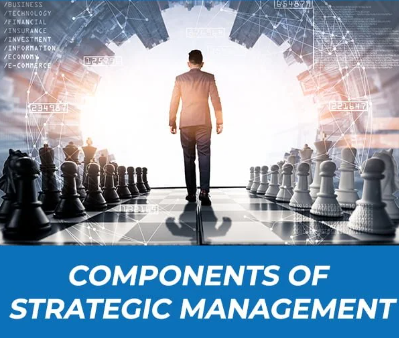
Another essential tool in environmental analysis is the SWOT analysis, which evaluates internal Strengths and Weaknesses alongside external Opportunities and Threats. Together, these analyses provide a holistic view of the business landscape, empowering organizations to make informed decisions, anticipate challenges, and position themselves strategically within their industry. In the fast-paced and interconnected world of modern business, environmental analysis is not just a valuable practice; it’s a necessity for sustainable success.
1. PESTEL Framework
The PESTEL framework, standing for Political, Economic, Social, Technological, Environmental, and Legal factors, is a strategic management tool employed to analyze and understand the external macro-environmental influences on an organization. Each component of the framework represents a category of factors that can significantly impact business operations and decision-making. Political factors consider the influence of governmental policies and regulations, while Economic factors assess the impact of economic conditions, such as inflation and exchange rates. Social factors delve into societal trends, demographics, and cultural influences.
Technological factors evaluate the influence of technological advancements and innovations. Environmental factors examine the organization’s impact on and response to the natural environment. Finally, Legal factors encompass the legal and regulatory aspects that affect business operations. The PESTEL framework provides a systematic approach for businesses to identify opportunities, assess risks, and adapt their strategies to the ever-changing external environment, fostering resilience and strategic agility.
2. SWOT Analysis
SWOT analysis is a powerful strategic management tool that stands for Strengths, Weaknesses, Opportunities, and Threats. It is employed to assess both internal and external factors that can impact the performance and competitiveness of an organization. Internally, strengths and weaknesses are evaluated, encompassing elements such as organizational resources, capabilities, and areas needing improvement. On the external front, opportunities and threats are analyzed, considering factors like market trends, competition, and external risks.
SWOT analysis provides a comprehensive view of the current state of an organization and helps in identifying areas where it can leverage its strengths, address weaknesses, capitalize on opportunities, and mitigate potential threats. This strategic tool is instrumental in the decision-making process, guiding organizations in formulating strategies that align with their internal dynamics and the external business environment. It’s not just a diagnostic tool; it serves as a foundation for crafting effective and adaptive business strategies.
B. Formulating Strategy
Formulating strategy is a critical phase in the strategic management process, representing the deliberate and thoughtful planning of actions that an organization will take to achieve its long-term goals. This stage involves synthesizing information gathered from environmental analyses, including insights from tools like PESTEL and SWOT, to develop a clear direction for the future. One widely used framework for formulating strategy is Michael Porter’s Generic Strategies, which outlines three fundamental approaches: cost leadership, differentiation, and focus.
Another valuable tool is the Ansoff Matrix, which helps in identifying growth strategies, such as market penetration, market development, product development, and diversification. Formulating strategy requires a deep understanding of the organization’s internal capabilities, market dynamics, and competitive landscape. It’s not just about setting goals; it’s about crafting a roadmap that aligns the organization’s strengths with opportunities in the external environment. A well-formulated strategy provides a solid foundation for subsequent stages of strategic management, ensuring that the organization is poised for success in a dynamic and competitive business landscape.
1. Porter’s Generic Strategies
Porter’s Generic Strategies, developed by renowned management theorist Michael Porter, are a set of strategic options that organizations can pursue to gain a competitive advantage in their industry. The framework outlines three fundamental approaches: cost leadership, differentiation, and focus. Cost leadership involves becoming the lowest-cost producer in the industry, allowing the organization to offer products or services at lower prices than competitors. Differentiation focuses on creating unique and distinctive products or services, often commanding premium prices. Lastly, focus concentrates on serving a specific market segment or niche exceptionally well.

Porter’s Generic Strategies are instrumental in guiding organizations to make strategic choices about how to position themselves in the market. By selecting and effectively implementing one of these strategies, companies can create a sustainable competitive advantage, navigate industry dynamics, and enhance overall performance. The framework remains a cornerstone in strategic management, providing a valuable toolkit for organizations seeking to thrive in a competitive business environment.
2. Ansoff Matrix
The Ansoff Matrix, developed by Russian-American mathematician and business theorist Igor Ansoff, is a strategic planning tool designed to help organizations identify growth strategies. The matrix outlines four potential paths for expansion, categorized into Market Penetration, Market Development, Product Development, and Diversification. Market Penetration involves increasing market share by selling existing products in current markets. Market Development focuses on entering new markets with existing products. Product Development entails creating and introducing new products to existing markets.
Lastly, Diversification explores new markets with new products. The Ansoff Matrix serves as a versatile guide for organizations seeking to navigate their growth trajectories. By understanding and selecting the most appropriate strategy based on their current position and future aspirations, businesses can effectively manage risk and capitalize on opportunities, ensuring sustained and strategic growth in dynamic market conditions.
C. Implementation and Execution
Implementation and execution in strategic management mark the translation of carefully formulated plans into action, representing a crucial phase in realizing organizational objectives. This stage involves the deployment of resources, processes, and structures to bring the strategic plan to life. Effective implementation requires clear communication of the strategy throughout the organization, ensuring that every stakeholder understands their role in the execution process. It involves aligning various departments and functions to work cohesively towards common goals.
Resource allocation becomes a pivotal aspect, directing finances, technology, and personnel toward strategic priorities. Monitoring progress, feedback loops, and adaptive measures are integral components of successful implementation, allowing organizations to respond to unexpected challenges and capitalize on emerging opportunities. In essence, implementation and execution are the bridges that connect strategic planning with tangible results, transforming vision into reality and ensuring the strategic intent creates the desired impact in the competitive landscape.
1. Strategy Deployment
Strategy deployment, also known as Hoshin Kanri or policy deployment, is a systematic approach to ensure that strategic objectives are effectively communicated, understood, and implemented throughout an organization. It goes beyond traditional strategic planning by emphasizing the cascading of goals and actions at every level of the organization, from top management to frontline employees. The process typically involves a collaborative effort to align individual and departmental objectives with the broader strategic goals. Clear communication channels, goal-setting, and performance metrics are established to facilitate transparency and accountability.
Strategy deployment fosters a sense of shared purpose and direction, ensuring that each member of the organization understands their role in achieving the overall strategic vision. By creating this alignment, strategy deployment enhances organizational agility, responsiveness, and the ability to adapt to changing circumstances, ultimately contributing to the successful execution of the strategic plan
2. Resource Allocation
Resource allocation is a critical aspect of strategic management that involves the efficient and effective deployment of an organization’s assets to achieve its strategic objectives. These resources can encompass financial capital, human capital, technology, time, and other essential elements. The process requires a careful consideration of priorities, assessing the relative importance of different initiatives and aligning available resources accordingly. Effective resource allocation ensures that the organization optimally utilizes its strengths and addresses weaknesses, contributing to the successful implementation of the strategic plan.
It involves strategic decision-making to distribute resources in a way that maximizes impact and supports the overall vision of the organization. Whether it’s investing in new technologies, expanding workforce capabilities, or entering new markets, resource allocation is a dynamic and ongoing process that plays a pivotal role in shaping the trajectory of an organization’s success.
III. The Role of Leadership in Strategic Management
A. Leadership Styles in Strategic Decision-Making
Leadership styles in strategic decision-making play a pivotal role in shaping the direction and success of an organization. Various leadership approaches, such as transformational, transactional, and visionary leadership, impact how decisions are formulated, communicated, and executed. Transformational leaders inspire and motivate teams to embrace change and innovation, fostering a culture of continuous improvement. Transactional leaders, on the other hand, focus on structure and performance, using rewards and penalties to drive goal attainment. Visionary leaders provide a clear strategic vision, guiding the organization toward long-term objectives. In strategic decision-making, the choice of leadership style often depends on the organizational culture, the nature of the industry, and the specific challenges at hand.
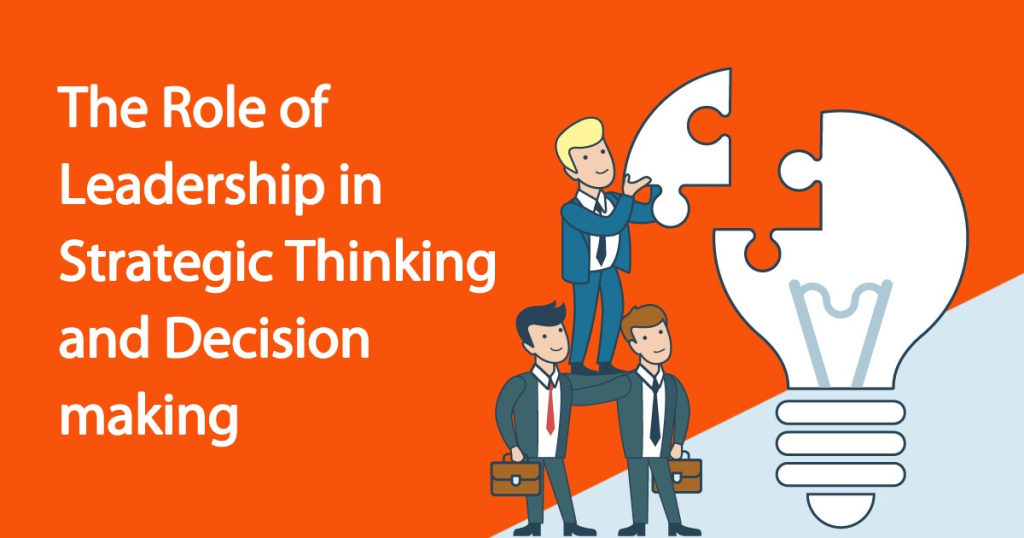
A dynamic and effective leader in strategic management must be adaptive, capable of blending different styles as situations demand, and creating a leadership environment that aligns with the strategic goals of the organization. The right leadership style can significantly influence how well a strategic plan is executed and how resilient an organization becomes in the face of change and uncertainty.
B. Building a Strategic Culture within an Organization
Building a strategic culture within an organization is essential for aligning the collective mindset and behaviors of its members with the overarching strategic goals. This involves instilling a shared understanding of the organization’s mission, vision, and values, creating a sense of purpose that permeates through all levels. Leaders play a crucial role in modeling strategic thinking and decision-making, fostering an environment where employees at every level are encouraged to contribute their insights and ideas.
Open communication channels, transparency about strategic priorities, and a commitment to learning and adaptability are key components of a strategic culture. It encourages innovation, risk-taking, and a proactive approach to challenges. A strong strategic culture not only guides day-to-day operations but also ensures that everyone within the organization understands their role in achieving long-term objectives. It becomes a unifying force that empowers individuals to contribute meaningfully to the organization’s success and navigate uncertainties with a strategic mindset.
C. Case Studies of Successful Leadership in Strategic Management
Case studies of successful leadership in strategic management provide valuable insights into the practical application of strategic principles and the impact of effective leadership on organizational success. These real-world examples showcase how leaders navigate challenges, make strategic decisions, and steer their organizations toward achieving long-term goals. Examining cases like Steve Jobs at Apple, who transformed the company through innovative product strategies, or Indra Nooyi’s leadership at PepsiCo, emphasizing sustainable and healthy product offerings, allows for a deeper understanding of the diverse leadership styles and approaches in strategic management.
These case studies highlight the importance of visionary thinking, adaptability, and the ability to mobilize teams towards a common strategic vision. Learning from successful leaders not only provides inspiration but also offers tangible lessons that can be applied to various organizational contexts, making case studies an invaluable resource for leadership development and strategic decision-making.
IV. Aligning Strategic Goals with Organizational Culture
A. Importance of Cultural Fit in Strategy
The importance of cultural fit in strategy lies in the recognition that organizational culture plays a pivotal role in the successful implementation of strategic initiatives. A strategy that aligns seamlessly with the existing culture is more likely to be embraced by employees at all levels, fostering a sense of ownership and commitment. Cultural fit ensures that the values, beliefs, and norms within the organization support rather than hinder the strategic objectives. A cohesive culture enhances communication, collaboration, and the overall effectiveness of the workforce in executing the strategy.
Conversely, a misalignment between strategy and culture can lead to resistance, inefficiencies, and a lack of enthusiasm for change. Recognizing and nurturing cultural fit in strategy formulation ensures a harmonious integration, creating a supportive environment that propels the organization toward its goals while respecting and leveraging the unique attributes of its internal culture.
B. Methods for Cultivating a Strategic Mindset
Cultivating a strategic mindset within an organization involves a deliberate and continuous effort to instill a forward-thinking and proactive approach among its members. One method is through leadership development programs that emphasize strategic thinking skills, decision-making processes, and the ability to anticipate and respond to changes in the business environment. Encouraging a learning culture that values curiosity and the exploration of new ideas is another effective method. Cross-functional collaboration, where individuals from different departments work together on strategic projects, promotes diverse perspectives and a holistic understanding of the organization’s goals.
Regular training sessions, workshops, and the incorporation of strategic discussions into day-to-day operations contribute to building a strategic mindset. Additionally, fostering an open and transparent communication culture allows for the sharing of insights and feedback, enabling all members of the organization to feel connected to and engaged in the strategic direction. Ultimately, cultivating a strategic mindset is an ongoing process that requires a combination of leadership commitment, organizational culture development, and continuous learning initiatives.
C. Case Examples of Successful Cultural Alignment
Case examples of successful cultural alignment showcase instances where organizations have strategically aligned their cultural values with their business objectives, resulting in enhanced performance and sustained success. One notable example is Zappos, an online shoe and clothing retailer. Zappos places a strong emphasis on a unique and vibrant company culture that values innovation, customer service, and employee happiness. This cultural alignment has been integral to their success, creating a work environment that fosters creativity and customer-centric thinking.
Another case is Southwest Airlines, known for its strong culture of employee empowerment and customer service. The company’s commitment to a positive and collaborative culture has contributed to its consistent profitability and high customer satisfaction levels. These cases underline the significance of cultural alignment in driving organizational success, as a well-aligned culture not only motivates employees but also creates a distinctive brand identity that resonates with customers and stakeholders alike.
V. Technology’s Impact on Strategic Management
A. Leveraging Technology for Strategic Advantage
Leveraging technology for strategic advantage is a cornerstone of modern business success. Organizations that adeptly incorporate technology into their strategic plans can gain a competitive edge in today’s dynamic market. From advanced data analytics for informed decision-making to automation for operational efficiency, technology enhances every facet of strategic management. Cloud computing enables scalable and flexible operations, while artificial intelligence and machine learning provide insights that were previously unimaginable. Social media and digital platforms offer new avenues for customer engagement and market reach.
Cybersecurity measures ensure the protection of sensitive information, contributing to risk management strategies. In essence, the strategic deployment of technology isn’t just about staying current; it’s about harnessing the power of innovation to propel the organization forward, adapt to change, and meet the evolving needs of the market. Successful integration of technology into strategic plans isn’t just a necessity; it’s a game-changer in today’s competitive business landscape.
B. Challenges of Technological Disruption
The challenges of technological disruption are a fundamental aspect of navigating the rapidly evolving business landscape. While technological advancements offer tremendous opportunities, they also introduce complexities that organizations must adeptly manage. One primary challenge is the speed of change; technology evolves at an unprecedented pace, making it challenging for businesses to keep up. Resistance to change within organizations can impede the adoption of new technologies, hindering their ability to stay competitive. Additionally, the potential for job displacement due to automation and artificial intelligence raises ethical and social considerations.
Cybersecurity threats and the need for robust data protection measures add another layer of complexity. Balancing the integration of emerging technologies with the human element and ensuring ethical and responsible use are ongoing challenges. Successful navigation of technological disruption requires a strategic and adaptive approach that embraces innovation while addressing these multifaceted challenges head-on.
C. Integrating Digital Transformation into Strategic Plans
Integrating digital transformation into strategic plans is a crucial imperative for organizations aiming to thrive in the digital age. Digital transformation involves the profound reimagining of business processes, models, and customer experiences through the integration of digital technologies. This strategic integration goes beyond simply adopting new tools; it encompasses a holistic shift in mindset and operations to leverage technology for maximum impact. Successful digital transformation aligns technological initiatives with overarching business goals, ensuring that every aspect of the organization is synchronized with the digital era.
This includes enhancing customer experiences through personalized digital interactions, optimizing internal processes with automation, and harnessing data analytics for informed decision-making. It demands a commitment to continuous innovation and adaptability, as the digital landscape evolves rapidly. Organizations that effectively integrate digital transformation into their strategic plans position themselves not only to stay competitive but to lead in an era defined by technological disruption and innovation.
VI. Globalization and Strategic Decision-Making
A. Navigating International Markets
Navigating international markets is a complex yet essential aspect of strategic management for businesses seeking global expansion. It involves understanding and adapting to the diverse economic, cultural, legal, and political environments across different countries. Successful international market navigation requires thorough market research to identify opportunities, assess risks, and understand the needs and preferences of local consumers. Businesses must also consider factors like currency fluctuations, trade regulations, and geopolitical stability.

Developing a global mindset, building strong cross-cultural communication capabilities, and forming strategic partnerships are key components of navigating international markets effectively. Additionally, businesses need to tailor their products, services, and marketing strategies to align with the specific demands and expectations of each international market. Successful navigation of international markets not only expands the reach of the business but also brings resilience and adaptability to the organization in the face of diverse and dynamic global challenges.
B. Cross-Cultural Considerations in Strategy
Cross-cultural considerations in strategy are pivotal for organizations operating in a globalized world. Culture significantly influences how individuals and groups perceive, interpret, and respond to strategic initiatives. Organizations must recognize and respect cultural diversity to ensure that strategic plans resonate with diverse audiences. Effective cross-cultural strategy involves understanding cultural nuances, communication styles, and societal norms in different regions.
It also demands a flexible and adaptive approach to accommodate variations in consumer behavior and market dynamics. Leaders need to promote cultural intelligence within their teams, fostering an environment where diverse perspectives are valued. By incorporating cross-cultural considerations into strategic decision-making, organizations can not only avoid misunderstandings and conflicts but also leverage cultural diversity as a source of innovation and creativity, enhancing the success of their global strategies.
C. Global Strategic Alliances
Global strategic alliances represent a key strategy for businesses aiming to expand their reach and capabilities on a global scale. These alliances involve collaborations between companies from different countries, pooling their resources, expertise, and market presence to achieve mutually beneficial goals. Forming global strategic alliances allows organizations to access new markets, share risks, and leverage complementary strengths. Whether through joint ventures, partnerships, or collaborations, these alliances facilitate the exchange of knowledge and technology, enhancing innovation and competitiveness.
Successful global strategic alliances require careful consideration of cultural differences, legal frameworks, and aligned strategic objectives. When executed effectively, these alliances not only create synergies between partners but also contribute to the creation of a global network that enables sustained growth and adaptability in the dynamic international business landscape.
VII. Measuring and Evaluating Strategic Performance
A. Key Performance Indicators (KPIs) in Strategic Management
Key Performance Indicators (KPIs) in strategic management serve as essential metrics that organizations use to evaluate their performance and progress towards strategic goals. These indicators are carefully selected to reflect critical aspects of the business, providing a quantifiable measure of success. KPIs can encompass various areas such as financial performance, customer satisfaction, operational efficiency, and employee productivity. By regularly monitoring and analyzing KPIs, organizations gain valuable insights into the effectiveness of their strategic initiatives.

KPIs act as a compass, guiding decision-makers in assessing whether the implemented strategies are aligning with the desired outcomes. They not only facilitate performance measurement but also enable agile responses to changing circumstances. Strategic management relies on the accurate identification and interpretation of KPIs, making them integral to the continuous improvement and success of an organization’s strategic endeavors.
B. Balanced Scorecard Approach
The Balanced Scorecard approach is a strategic management framework that translates an organization’s strategic objectives into a comprehensive set of performance indicators. Developed by Robert S. Kaplan and David P. Norton, the Balanced Scorecard goes beyond traditional financial metrics, incorporating perspectives such as customer satisfaction, internal business processes, learning and growth, and financial outcomes. By offering a more holistic view of an organization’s performance, the Balanced Scorecard enables better alignment of strategic goals with operational activities.
It serves as a dynamic tool for monitoring progress, identifying areas for improvement, and facilitating communication across different levels of the organization. The Balanced Scorecard approach provides a balanced and integrated framework that helps organizations maintain focus on both short-term operational efficiency and long-term strategic objectives, fostering a more sustainable and adaptive approach to strategic management.
C. Continuous Improvement in Strategy
Continuous improvement in strategy is a fundamental principle that acknowledges the dynamic and evolving nature of the business environment. Instead of viewing strategy as a static plan, organizations adopting a continuous improvement mindset recognize the need for ongoing refinement and adaptation. This approach involves systematically reviewing and adjusting strategic initiatives based on performance feedback, market changes, and lessons learned. By fostering a culture of continuous improvement, organizations encourage innovation, agility, and a proactive response to challenges.
Regularly assessing the effectiveness of strategies and making incremental adjustments ensures that the organization remains responsive to shifting dynamics, embraces emerging opportunities, and learns from setbacks. Continuous improvement in strategy isn’t just a process; it’s a commitment to staying relevant and resilient in the face of an ever-changing business landscape.
VIII. Risk Management in Strategic Decision-Making
A. Identifying and Assessing Risks
Identifying and assessing risks is a critical component of strategic management, requiring a systematic and comprehensive approach to anticipate potential challenges that could impact organizational objectives. This process involves a thorough analysis of both internal and external factors that may pose threats or opportunities. Internal risks could include operational inefficiencies, resource constraints, or talent gaps, while external risks might involve market fluctuations, regulatory changes, or geopolitical uncertainties.
Once identified, these risks are assessed in terms of their potential impact and likelihood of occurrence. Risk assessment not only helps in prioritizing the most significant threats but also informs the development of mitigation strategies. Effectively navigating risks in strategic management involves a proactive and ongoing commitment to monitoring, reassessing, and adjusting strategies in response to the ever-changing risk landscape, ensuring that the organization is resilient and well-prepared for uncertainties.
B. Developing Risk Mitigation Strategies
Developing risk mitigation strategies is a crucial aspect of strategic management aimed at minimizing the impact of potential threats on organizational objectives. Once risks are identified and assessed, organizations must proactively plan for their mitigation. This involves developing strategies and action plans to either eliminate or reduce the likelihood and severity of identified risks. Mitigation strategies can include diversification of resources, implementing robust contingency plans, and investing in risk management tools and technologies. Effective risk mitigation also often involves collaboration with key stakeholders, regulatory compliance, and continuous monitoring of risk factors. By systematically addressing risks through well-thought-out strategies, organizations can enhance their resilience, protect their assets, and maintain a strategic trajectory even in the face of uncertainties.
C. Case Studies of Successful Risk Management
Case studies of successful risk management provide illuminating insights into how organizations have navigated uncertainties and challenges, demonstrating the value of robust risk management practices. One such example is Johnson & Johnson’s response to the Tylenol poisoning crisis in the 1980s. Through swift and transparent actions, the company not only mitigated the immediate risk but also implemented industry-leading packaging safety measures, setting a new standard for product safety. Another notable case is the risk management approach of Toyota during the recall crisis in 2009.
By acknowledging the issue, initiating a comprehensive recall, and implementing reforms in quality control, Toyota not only mitigated the risks but also emerged with an enhanced reputation for transparency and accountability. These cases underscore the importance of proactive risk management, crisis response, and the integration of lessons learned into future strategic decision-making. They serve as powerful examples for organizations seeking to develop effective risk management strategies in today’s dynamic and interconnected business landscape.
IX. Sustainable and Socially Responsible Strategies
A. Incorporating Environmental and Social Responsibility
Incorporating environmental and social responsibility into strategic management is a pivotal shift reflecting the growing importance of sustainability in business. Beyond a mere compliance requirement, organizations are recognizing the profound impact they have on the environment and society. This involves aligning strategic objectives with ethical and responsible practices, encompassing environmental conservation, community engagement, and fair labor practices. Companies embracing this approach often consider their ecological footprint, seek eco-friendly alternatives in operations, and actively engage in social initiatives.

Emphasizing environmental and social responsibility not only aligns with the expectations of socially conscious consumers but also enhances brand reputation and stakeholder relationships. It reflects a commitment to long-term sustainability, positioning organizations as responsible corporate citizens dedicated to making a positive impact beyond financial gains. In a world increasingly aware of the interconnectedness of business and broader societal and environmental issues, this strategic alignment is not just a trend but a vital aspect of successful and responsible business management.
B. The Business Case for Sustainability
The business case for sustainability is compelling, driven by an evolving global landscape that demands responsible and ethical corporate practices. Beyond the moral imperative, there are tangible economic advantages to embracing sustainability. Sustainable practices, such as resource efficiency, waste reduction, and the use of renewable energy sources, often lead to cost savings and increased operational efficiency. Moreover, as consumers become more environmentally and socially conscious, companies with a strong sustainability profile gain a competitive edge, attracting a growing market segment.
Sustainability initiatives also mitigate long-term risks associated with climate change, resource scarcity, and regulatory shifts. Investors increasingly recognize the financial benefits of sustainable businesses, making them more attractive in the eyes of the investment community. Therefore, the business case for sustainability goes beyond altruism; it is a strategic imperative that not only contributes to a healthier planet but also enhances the resilience, reputation, and profitability of organizations in an increasingly sustainability-focused market.
C. Communicating Sustainable Practices to Stakeholders
Communicating sustainable practices to stakeholders is a crucial aspect of an organization’s commitment to transparency, responsibility, and long-term value creation. Effective communication involves clearly articulating the environmental and social initiatives undertaken, emphasizing the positive impact on both the business and the wider community. This can include sharing key performance indicators related to sustainability goals, detailing specific initiatives such as carbon footprint reduction or ethical sourcing programs, and providing regular updates on progress.
Engaging stakeholders through various channels, such as annual reports, social media, and dedicated sustainability reports, fosters a sense of trust and accountability. It not only keeps stakeholders informed but also invites their input and feedback, turning sustainability into a shared journey. Transparent and authentic communication about sustainable practices is not just a reporting requirement; it’s a strategic opportunity to demonstrate leadership, build stronger relationships with stakeholders, and showcase the organization’s commitment to making a positive difference in the world.
X. Crisis Management and Strategic Resilience
A. Building Resilience into Strategic Plans
Building resilience into strategic plans is a proactive approach that acknowledges the inevitability of uncertainties and disruptions in the business environment. Resilience in strategic planning involves the identification of potential risks, uncertainties, and challenges, along with the development of strategies to adapt and respond effectively. This can include diversifying supply chains, incorporating flexible operational processes, and investing in technology that enhances adaptability.
Resilient strategic plans also encompass scenario planning, allowing organizations to anticipate and prepare for various future scenarios. The goal is not only to withstand shocks but to bounce back quickly and emerge stronger. By embedding resilience into strategic plans, organizations position themselves to navigate unforeseen challenges, seize opportunities that arise amidst disruptions, and ensure the sustainability and longevity of their success in an ever-changing business landscape.
B. Crisis Communication Strategies
Crisis communication strategies are vital components of an organization’s preparedness for unexpected challenges and disruptions. In the face of a crisis, effective communication is essential to manage the narrative, provide accurate information, and maintain stakeholder trust. Clear, transparent, and timely communication helps to mitigate potential reputational damage and assures stakeholders that the situation is being addressed. Crisis communication strategies involve identifying key spokespeople, establishing communication channels, and crafting messages that convey empathy, responsibility, and a commitment to resolution.
Social media, press releases, and direct communication with employees and customers are common channels employed during crises. Proactive communication, coupled with a genuine acknowledgment of the issue at hand, builds confidence and demonstrates an organization’s ability to navigate challenges with resilience and accountability.
C. Learning from Strategic Failures
Learning from strategic failures is an integral part of the continuous improvement process in strategic management. When organizations encounter setbacks or failures in executing their strategic plans, there is a valuable opportunity to analyze what went wrong, identify the root causes, and derive meaningful insights. This process of introspection and analysis not only helps in understanding the factors contributing to the failure but also allows for the development of corrective measures and adjustments to future strategies.
It encourages a culture of adaptability and agility, fostering an environment where mistakes are viewed as learning opportunities. Organizations that actively embrace and learn from their strategic failures demonstrate resilience and a commitment to growth. By applying the lessons learned, they increase their strategic acumen, refine decision-making processes, and enhance their capacity to navigate complexities in the ever-evolving business landscape.
XI. Frequently Asked Questions (FAQs)
A. What is the difference between strategic planning and strategic management?
The difference between strategic planning and strategic management lies in their scope and implementation. Strategic planning is a focused, initial phase in the strategic management process, involving the formulation of goals, objectives, and action plans to achieve a desired future state. It is essentially the creation of a roadmap outlining where an organization wants to go and how it intends to get there. On the other hand, strategic management encompasses the entire process, going beyond the planning phase to include the execution, monitoring, and adaptation of the formulated strategies.
While strategic planning sets the direction, strategic management involves the ongoing coordination of resources, continuous assessment of progress, and the flexibility to adjust strategies based on changing circumstances. In essence, strategic planning is a component of strategic management, representing the initial thinking and formulation stage in a broader, more dynamic framework aimed at achieving long-term organizational objectives.
B. How often should a company revisit its strategic plan?
The frequency at which a company should revisit its strategic plan depends on various factors such as industry dynamics, market volatility, and internal organizational changes. In dynamic and rapidly evolving industries, companies may need to revisit their strategic plans more frequently, perhaps annually or even semi-annually. Conversely, in more stable industries, a biennial or triennial review might suffice. It’s essential to align the revision frequency with the pace of change in the business environment.
Additionally, significant internal shifts, such as leadership changes, mergers, or changes in organizational priorities, may necessitate a more immediate reassessment of the strategic plan. Regular reviews ensure that the strategic plan remains relevant, adaptive to market conditions, and aligned with the organization’s goals. In essence, the revisit frequency should strike a balance between responsiveness to change and the need for stability in strategic direction.
C. Can small businesses benefit from strategic management?
Absolutely, small businesses can significantly benefit from strategic management. While the scale and complexity of small businesses may differ from larger counterparts, the principles of strategic management remain crucial for long-term success. Strategic management helps small businesses define their mission, set clear objectives, and identify the most effective ways to achieve them. It encourages a proactive approach to identifying opportunities and mitigating risks, fostering adaptability in the face of a dynamic business environment.
Strategic management aids in resource allocation, ensuring that limited resources are optimally utilized. It also guides decision-making, helping small businesses prioritize initiatives that align with their overall goals. By implementing strategic management practices, small businesses can enhance their competitiveness, navigate challenges more effectively, and position themselves for sustainable growth in a competitive marketplace.
D. What role does data play in strategic decision-making?
Data plays a pivotal role in strategic decision-making by providing the factual foundation upon which informed choices can be made. In today’s data-driven landscape, organizations collect and analyze vast amounts of data to gain insights into market trends, consumer behavior, and internal operations. Strategic decision-making relies on this data to assess the effectiveness of current strategies, identify areas for improvement, and predict future opportunities or challenges. Whether through key performance indicators, market research, or data analytics, the information derived from data helps leaders understand the competitive landscape, customer preferences, and industry dynamics.
This evidence-based approach enhances the accuracy of strategic decision-making, reduces uncertainties, and supports the development of well-informed, adaptive strategies that align with organizational goals. In essence, data is not just information; it is a critical asset that empowers organizations to make strategic decisions grounded in a comprehensive understanding of their internal and external environments.
E. How do you align individual goals with the overall strategic plan?
Aligning individual goals with the overall strategic plan is a crucial aspect of effective organizational management. This process involves cascading the broader strategic objectives down to individual team members, ensuring that everyone’s efforts contribute directly to the achievement of the organization’s overarching goals. Clear communication of the strategic plan is essential, outlining how each employee’s role fits into the larger picture. Establishing key performance indicators (KPIs) at both the organizational and individual levels helps in monitoring progress and ensuring alignment.
Regular communication channels, such as team meetings and performance reviews, provide opportunities to reinforce the connection between individual contributions and the broader strategic objectives. Recognizing and rewarding achievements that contribute to the strategic plan fosters a sense of ownership and motivation among employees. In essence, aligning individual goals with the overall strategic plan is a dynamic and ongoing process that requires clear communication, collaboration, and a shared understanding of how each person’s efforts contribute to the collective success of the organization
F. Is it possible to change a strategy mid-course?
Yes, it is not only possible but often necessary to change a strategy mid-course in response to evolving circumstances or new insights. The business environment is dynamic, and unforeseen changes may occur, such as shifts in market conditions, technological advancements, or unexpected disruptions. Organizations need to be agile and responsive, willing to adjust their strategies to remain competitive and aligned with their goals. Flexibility in strategic management allows for the recognition of early warning signs, the ability to capitalize on emerging opportunities, or the reevaluation of initial assumptions.
Changing a strategy mid-course requires careful analysis, a thorough understanding of the reasons for the change, and effective communication to ensure that all stakeholders are on board. While the initial strategic plan provides a roadmap, the ability to adapt and pivot when necessary is a hallmark of strategic management in a dynamic and uncertain business landscape.
G. How can organizations stay agile in their strategic approach?
Organizations can stay agile in their strategic approach by fostering a culture of adaptability, embracing continuous learning, and implementing flexible planning processes. First and foremost, leadership plays a crucial role in setting the tone for agility. Leaders should encourage innovation, risk-taking, and the acceptance of change. Incorporating regular strategic reviews and assessments helps organizations stay attuned to shifts in the business landscape. Additionally, creating cross-functional teams that can quickly respond to challenges and opportunities promotes agility.
Leveraging technology for real-time data analytics and market insights enables organizations to make informed decisions promptly. Emphasizing communication and collaboration across all levels of the organization ensures that everyone is aligned with the strategic goals and can adapt swiftly to changes. In essence, maintaining agility requires a proactive and dynamic mindset, where organizations are not only prepared for change but also view it as an integral part of their strategic journey.
H. What are the common pitfalls in strategic management?
Common pitfalls in strategic management often revolve around inadequate planning, execution challenges, and the failure to adapt to changing circumstances. One common pitfall is the lack of a clear, well-defined strategy. Without a precise roadmap, organizations risk making decisions that are not aligned with overarching goals. Inconsistent execution, stemming from poor communication or insufficient resource allocation, is another pitfall. Even with a well-crafted strategy, if it is not effectively implemented, the desired outcomes may remain elusive.
Overemphasis on short-term results at the expense of long-term sustainability is yet another pitfall, as it may lead to decisions that sacrifice long-term success for immediate gains. Failure to adapt to changing market conditions, technological advancements, or shifts in consumer preferences is a significant pitfall. Lastly, inadequate monitoring and evaluation processes may result in an organization being unaware of the need for strategic adjustments until it’s too late. Recognizing and mitigating these pitfalls is crucial for organizations to navigate the complexities of strategic management successfully.
I. How does strategic management differ in various industries?
Strategic management varies significantly across industries due to differences in market dynamics, competitive landscapes, regulatory environments, and consumer behaviors. In highly regulated industries such as finance or healthcare, strategic management must navigate complex compliance requirements and governmental oversight, influencing decision-making processes. Technology-driven industries, on the other hand, often experience rapid changes and disruptive innovations, requiring strategic agility and a keen focus on emerging trends. In consumer goods industries, understanding and adapting to shifting consumer preferences is paramount.
Additionally, industries with global supply chains may face unique challenges related to geopolitical factors and international market dynamics. The diversity of industries demands tailored strategic approaches. While the fundamental principles of strategic management remain constant—such as goal-setting, resource allocation, and performance evaluation—successful strategic management recognizes and responds to the industry-specific nuances that shape the competitive landscape.
J. Is strategic management applicable to non-profit organizations?
Absolutely, strategic management is highly applicable to non-profit organizations, and it is crucial for their success and sustainability. While the goals of non-profits may differ from for-profit entities, strategic management principles remain essential for effective planning and resource utilization. Non-profits often face unique challenges, such as reliance on donations and grants, competition for funding, and the need to demonstrate social impact. Strategic management in non-profits involves setting clear mission and vision statements, defining objectives, and aligning activities with the organization’s broader goals.
Resource allocation, stakeholder engagement, and the ability to adapt to changing social needs are integral components of strategic management for non-profits. Moreover, effective strategic management enhances transparency and accountability, factors critical for maintaining donor and stakeholder trust. By adopting strategic management practices, non-profit organizations can optimize their operations, increase their impact, and achieve long-term sustainability in pursuing their altruistic missions.
XII. Conclusion
A. Recap of Key Takeaways
In summary, exploring the intricacies of strategic management reveals a multifaceted discipline that is crucial for organizational success. From the initial stages of strategic planning to the dynamic execution and adaptation of strategies, each component plays a vital role. Environmental analysis, the PESTEL framework, and SWOT analysis provide valuable tools for assessing internal and external factors that impact strategic decisions. The implementation phase involves formulating strategies, deploying them effectively, and allocating resources efficiently. Leadership styles, the development of a strategic culture, and the incorporation of technological advancements are pivotal elements influencing strategic decision-making.
Case studies of successful leadership and cultural alignment offer practical insights, demonstrating the real-world application of strategic principles. Embracing the importance of sustainability, global strategic alliances, and the continuous pursuit of improvement are essential for staying competitive in today’s business landscape. Furthermore, the role of data, risk management, and crisis communication underscores the need for agility and adaptability in strategic management. Ultimately, the strategic journey is not without its challenges, but organizations can learn from failures, pivot when necessary, and build resilience to navigate uncertainties successfully. In a constantly evolving business environment, strategic management remains a dynamic and indispensable process for achieving long-term objectives and ensuring organizational longevity.
B. Encouragement for Implementing Strategic Management
Encouragement for implementing strategic management stems from the transformative power it holds for organizations. By embracing strategic management, businesses can proactively shape their destinies rather than merely reacting to external forces. It is a framework that instills clarity of purpose, aligns organizational efforts, and provides a structured pathway toward achieving long-term objectives. Strategic management fosters a culture of adaptability and continuous improvement, enabling organizations to stay resilient in the face of challenges.
It is an investment in future success, allowing leaders to make informed decisions, leverage opportunities, and mitigate risks. Moreover, strategic management provides a foundation for effective communication, both internally and externally, creating a shared vision that inspires and aligns team members. As a dynamic and forward-thinking approach, strategic management empowers organizations to not only navigate the complexities of the present but also to thrive and innovate in the ever-evolving landscapes of the future
C. Looking Ahead: Future Trends in Strategic Management
Looking ahead, the future trends in strategic management are poised to be shaped by technological advancements, increased emphasis on sustainability, and a growing need for organizational agility. The integration of artificial intelligence and data analytics is likely to redefine the way organizations conduct environmental analyses and make strategic decisions. Sustainability will become an even more integral aspect of strategic planning, driven by a global focus on environmental and social responsibility. The increasing complexity and speed of change in the business landscape will necessitate a heightened emphasis on agility, with organizations adopting more flexible and dynamic strategic approaches.
Additionally, the role of remote work and virtual collaboration may influence strategic management, requiring leaders to rethink traditional models and adapt to a more digital and decentralized work environment. As strategic management continues to evolve, organizations that proactively embrace these future trends will be better positioned to navigate uncertainties, capitalize on emerging opportunities, and sustain long-term success in an ever-changing world.

Hard Binding Dissertation ( 4 Key Features)
2 year(s) ago
Psychology dissertation topics (5 Major Areas)
2 year(s) ago
Dissertation editor (5 Key Services)
2 year(s) ago
Dissertation Coaching (7 Main Benefits)
2 year(s) ago
Dissertation Acknowledgement Format ( 6 Key Tips)
2 year(s) ago
Psychology Dissertation Topics ( 7 Main Ideas)
2 year(s) ago
Dissertation Binding ( Key Tips)
2 year(s) ago
Dissertation editing services (8 Key Areas)
2 year(s) ago
Dissertation template (Student's Guide)
2 year(s) ago
How to come up with a dissertation topic (9 Key Steps)
2 year(s) ago

Radio Active Tutors is a freelance academic writing assistance company. We provide our assistance to the numerous clients looking for a professional writing service.
Need academic writing assistance ?
Order Now