New Order Found Please Review the order ASAP for the client to
proceed

Unread Message Found Please check the message ASAP and reply to client

Table of Contents
I. Introduction
II. Understanding Strategic Management
III. The Role of Project Reports
IV. Components of a Project Report on Strategic Management
V. Crafting an Effective Executive Summary
VI. Writing the Introduction
VII. Environmental Analysis: Unveiling Opportunities and Threats
VIII. Strategy Formulation: Charting the Course for Success
IX. Implementation Plan: Turning Plans into Actions
X. Performance Metrics and Evaluation
XI. The Art of Effective Communication in Project Reports
XII. Challenges and Solutions in Project Reporting
XIII. Real-world Examples of Successful Project Reports
XIV. Frequently Asked Questions (FAQs)
XV. Conclusion
I. Introduction
A. Definition of Project Reports in Strategic Management
Project reports on strategic management, serve as comprehensive documents that encapsulate the intricacies and progress of a strategic initiative. These reports are detailed narratives, offering a structured account of various phases within a project’s lifecycle, from inception to completion. A project report in strategic management essentially acts as a strategic roadmap, providing a clear overview of the objectives, methodologies, and outcomes of a particular strategic endeavor.
It goes beyond mere data compilation, delving into the analysis of environmental factors, internal strengths and weaknesses, and the devised strategies for achieving organizational goals. In essence, the definition of project reports on strategic management lies in their role as invaluable tools for communication, decision-making, and performance evaluation, offering stakeholders a profound understanding of the strategic journey and its impact on the overall success of the organization.
B. Importance and Purpose of Project Reports
The importance and purpose of project reports on strategic management are multifaceted, playing a pivotal role in guiding organizations toward success. These project reports on strategic management serve as essential communication tools, offering a consolidated account of the project’s objectives, progress, and outcomes to stakeholders, including executives, team members, and investors. Beyond mere documentation, project reports serve as a compass for decision-making, providing critical insights into the effectiveness of implemented strategies and the need for adjustments.
They act as a mechanism for accountability, allowing organizations to evaluate the allocation of resources, identify bottlenecks, and assess the overall efficiency of strategic initiatives. Moreover, project reports contribute to organizational learning by capturing both successes and challenges, fostering a culture of continuous improvement. In essence, the importance and purpose of project reports in strategic management lie in their ability to inform, guide, and refine the strategic journey, ultimately enhancing the overall performance and competitiveness of the organization.
C. Significance in Achieving Organizational Goals
The significance of project reports on strategic management in achieving organizational goals cannot be overstated, as they serve as instrumental tools in aligning strategic initiatives with broader objectives. These reports provide a comprehensive overview of the progress and outcomes of strategic projects, enabling organizations to gauge their effectiveness in contributing to the overarching goals. By offering insights into key performance indicators, resource utilization, and strategic alignment, project reports empower decision-makers to make informed choices that steer the organization toward success.
They act as a feedback mechanism, allowing for the identification of areas where adjustments are needed and highlighting aspects that are driving positive outcomes. In essence, the significance of project reports on strategic management lies in their ability to serve as strategic compasses, guiding organizations on a trajectory that not only meets but enhances their overarching goals, fostering adaptability and agility in the pursuit of sustained success.
II. Understanding Strategic Management
A. Overview of Strategic Management
An overview of strategic management reveals it to be a holistic and systematic approach that organizations employ to chart their course in the dynamic business environment. At its core, strategic management is the process of formulating, implementing, and evaluating decisions that enable an organization to achieve its long-term objectives. It involves a comprehensive analysis of the internal and external factors that influence an organization, including market trends, competition, and internal capabilities.
Strategic management goes beyond day-to-day operations, focusing on the big picture and the organization’s positioning for sustained success. It encompasses various key components such as crafting a clear vision and mission, conducting thorough environmental analyses, formulating effective strategies, and continually evaluating performance. This overview underscores the strategic management’s proactive nature, emphasizing the need for adaptability and forward-thinking to navigate the ever-evolving landscape of business and industry.
B. Key Components of Strategic Management
The key components of strategic management constitute the foundation upon which organizations build their paths to success. These components form a cohesive framework that guides decision-making and actions at every level of an organization. First and foremost, strategic management begins with the establishment of a clear vision and mission, providing a sense of purpose and direction. Environmental analysis is another crucial component, involving the assessment of internal strengths and weaknesses as well as external opportunities and threats.
Strategy formulation and implementation come next, requiring careful planning and execution to achieve organizational goals. Finally, performance evaluation serves as a continuous feedback loop, allowing organizations to gauge the effectiveness of their strategies and make necessary adjustments. Altogether, these key components—vision and mission, environmental analysis, strategy formulation and implementation, and performance evaluation—constitute the essential elements that empower organizations to navigate the complexities of the business landscape and drive sustained success.
1. Vision and Mission Statements
Vision and mission statements serve as the guiding lights for organizations, encapsulating their core beliefs, aspirations, and overarching purpose. A vision statement articulates the long-term aspirations and goals that an organization aspires to achieve, providing a clear picture of the desired future state. It serves as an inspirational beacon, rallying employees and stakeholders toward a common objective. On the other hand, a mission statement outlines the fundamental purpose of the organization, defining its scope, target audience, and the value it aims to deliver.
Together, these statements create a framework that not only communicates the organization’s identity but also aligns the efforts of its members. Well-crafted vision and mission statements not only inspire and motivate but also provide a strategic roadmap, guiding decision-making and actions in a manner that resonates with the organization’s core values and long-term objectives.
2. Environmental Analysis
Environmental analysis is a systematic process through which organizations assess and understand the internal and external factors that can impact their operations, strategies, and overall performance. Internal analysis delves into an organization’s strengths and weaknesses, evaluating aspects such as resources, capabilities, and structure. External analysis, on the other hand, scrutinizes the broader business environment, considering factors like market trends, competition, regulatory landscapes, economic conditions, technological advancements, and sociocultural influences.

The goal of environmental analysis is to gain insights that inform strategic decision-making. By identifying opportunities and threats, organizations can proactively position themselves to capitalize on favorable conditions and navigate challenges. It’s a critical step in the strategic management process, providing the necessary intelligence for crafting effective strategies that align with the organization’s goals and ensure its long-term success in a dynamic and ever-changing business landscape.
3. Strategy Formulation and Implementation
Strategy formulation and implementation represent the dynamic heart of strategic management, encompassing the processes through which organizations conceive and execute plans to achieve their objectives. Strategy formulation involves the careful crafting of a roadmap, incorporating key elements such as goal-setting, analysis of internal and external environments, and the selection of optimal strategies. It is the phase where organizations define their competitive positioning and chart the course for success. Once strategies are formulated, the focus shifts to implementation—an intricate process that demands translating plans into action.
This stage involves resource allocation, setting timelines, and defining responsibilities. Effective communication and collaboration are vital to ensure that the strategy is understood and embraced throughout the organization. The synergy between formulation and implementation is crucial, as successful execution relies on the precision and adaptability of the formulated strategies. Together, these twin processes are the linchpin of strategic management, guiding organizations toward their envisioned future and fostering agility in the face of evolving challenges.
4. Performance Evaluation
Performance evaluation in the context of strategic management is a systematic and ongoing process that organizations employ to assess the effectiveness of their strategies and overall performance. It involves the measurement and analysis of key performance indicators (KPIs) aligned with the organization’s goals. Performance evaluation serves as a valuable feedback mechanism, allowing organizations to understand what is working well and where improvements are needed. Metrics such as financial results, customer satisfaction, and operational efficiency are often scrutinized to gauge the success of implemented strategies.

Additionally, benchmarking against industry standards and competitors provides valuable context for performance assessment. The insights derived from performance evaluation are essential for informed decision-making, enabling organizations to refine existing strategies, reallocate resources, and stay adaptive in an ever-changing business landscape. It is a critical component of the strategic management process, fostering a culture of continuous improvement and ensuring that organizations remain on track to achieve their long-term objectives.
III. The Role of Project Reports
A. Integration with Strategic Management
Integration with strategic management in the context of project reports is a symbiotic relationship that ensures coherence and purpose in organizational endeavors. Project reports on strategic management serve as vital tools in this integration by acting as conduits for conveying how individual projects contribute to the realization of broader strategic objectives. These project reports on strategic management encapsulate not only the progress and outcomes of a specific project but also articulate its direct relevance to the overarching strategic goals of the organization. Through this integration, project reports on strategic management become strategic documents, providing insights into how each project aligns with the organization’s mission, vision, and long-term plans.

The integration ensures that decision-makers can comprehensively evaluate the impact of individual projects on the strategic landscape, fostering an environment where every project is a deliberate and integral piece of the larger strategic puzzle. This interconnected approach enhances organizational efficiency, facilitates informed decision-making, and ultimately propels the organization towards its strategic milestones with purpose and precision
B. Contribution to Decision-Making
The contribution of project reports on strategic management to decision-making is pivotal in the strategic management process, acting as a compass for organizational leaders. These project reports on strategic management provide a wealth of information regarding the progress, challenges, and achievements of specific projects, offering decision-makers valuable insights into the effectiveness of implemented strategies. By presenting data on key performance indicators, resource allocation, and timelines, project reports empower leaders to make informed decisions that steer the organization toward its goals.
The comprehensive nature of these project reports on strategic management allows decision-makers to evaluate the success of current strategies, identify areas for improvement, and strategically reallocate resources as needed. Furthermore, project reports act as a basis for anticipating future challenges and opportunities, aiding decision-makers in crafting adaptive and forward-thinking strategies. In essence, the contribution of project reports on strategic management to decision-making is instrumental in guiding organizational leaders toward choices that align with the overarching strategic vision and foster sustained success.
C. Monitoring and Controlling Strategies
Monitoring and controlling strategies through project reports constitute a dynamic and integral aspect of effective strategic management. Project reports on strategic management act as a lens through which organizations can observe, assess, and regulate the progress of their initiatives in alignment with strategic goals. Through regular updates and comprehensive data presented in project reports, decision-makers can monitor key performance indicators, track timelines, and evaluate resource utilization. These project reports on strategic management provide a real-time snapshot of project activities, enabling timely identification of any deviations from the strategic plan.
The information gleaned from project reports becomes the foundation for controlling strategies, empowering leaders to take corrective actions when necessary. Whether it involves adjusting resource allocations, recalibrating timelines, or re-evaluating specific strategies, the insights provided by project reports are indispensable in ensuring that organizational efforts stay on course. In essence, monitoring and controlling strategies through project reports create a feedback loop that enhances adaptability and agility, key elements in the successful implementation of strategic initiatives.
IV. Components of a Project Report on Strategic Management
A. Executive Summary
The executive summary in a project reports on strategic management serves as a condensed yet comprehensive synopsis designed to convey the project’s essence to a diverse audience. It succinctly encapsulates the project’s objectives, methodologies, and key findings, offering decision-makers and stakeholders a quick overview of the project’s significance and outcomes. By distilling complex information into a concise format, the executive summary acts as a strategic tool for busy professionals, allowing them to grasp the project’s key points swiftly.

Its importance lies not only in summarizing critical information but also in enticing readers to explore the complete report for a more in-depth understanding. In essence, an effective executive summary serves as the initial point of engagement, shaping the reader’s perception and laying the groundwork for a deeper exploration of the project’s details.
B. Introduction to the Strategic Management Project
The introduction to a project reports on strategic management serves as the gateway, setting the stage for what follows by providing essential context and framing the purpose of the undertaking. This section typically outlines the background, objectives, and scope of the project, offering readers a clear understanding of its significance within the broader organizational context. It introduces the strategic issues or opportunities that prompted the project, highlighting the need for a systematic and intentional approach to management.
The introduction serves as a roadmap, guiding the reader through the rationale for the project, the questions it seeks to address, and the expected benefits. Well-crafted introductions not only capture the reader’s interest but also lay the groundwork for the strategic journey that the project report is about to unfold, ensuring a solid foundation for comprehension and engagement.
C. Environmental Analysis
In the context of project reports on strategic management, environmental analysis plays a crucial role in providing the necessary contextual backdrop for the undertaken project. This analysis extends beyond the project’s internal dynamics to examine the external factors that might influence its success or challenges. Project reports typically incorporate a thorough environmental analysis to identify opportunities and potential threats that could impact project outcomes. This includes assessing market trends, understanding the competitive landscape, and considering external factors such as economic conditions and regulatory environments.
By integrating environmental analysis into project reports on strategic management, organizations ensure that their initiatives are not developed in isolation but are instead rooted in a deep understanding of the broader business environment. This approach enhances the project’s adaptability and resilience, allowing for strategic adjustments based on the evolving external conditions. Ultimately, incorporating environmental analysis into project reports serves as a proactive strategy, enabling organizations to navigate uncertainties and optimize project success within the larger context of their operating environment.
1. PESTEL Analysis
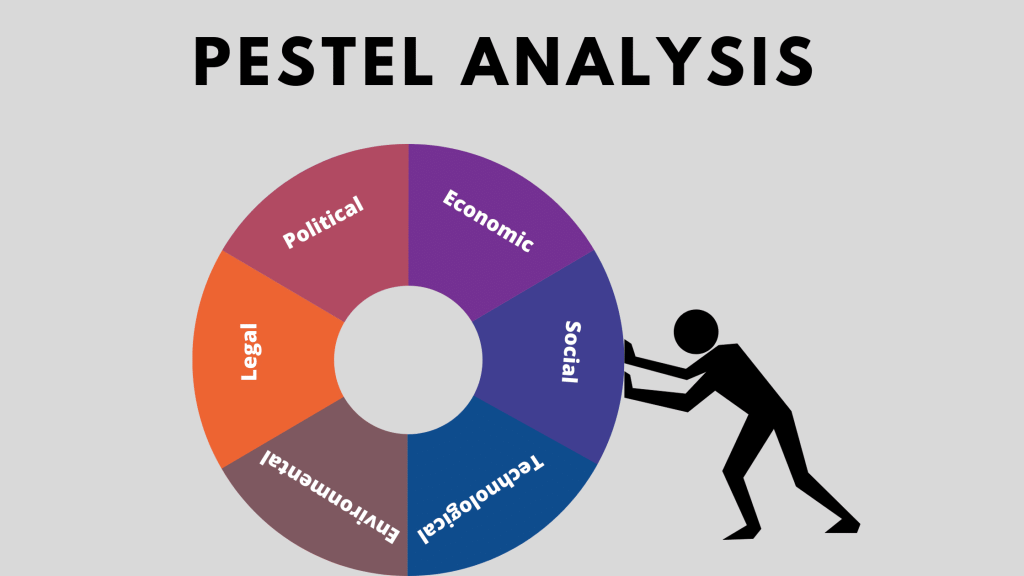
Integrating a PESTEL analysis into a project report is a strategic approach that enhances the depth and foresight of the project’s contextual understanding. PESTEL, encompassing Political, Economic, Social, Technological, Environmental, and Legal factors, provides a comprehensive framework for evaluating the external influences that can impact a project. In a project report, this analysis delves into the political landscape, economic conditions, societal trends, technological advancements, environmental considerations, and legal frameworks relevant to the project’s objectives.
By conducting a PESTEL analysis within a project report, organizations can systematically anticipate and respond to external factors that might affect the project’s success. It not only serves as a risk mitigation strategy but also as a foundation for strategic decision-making, enabling project teams and stakeholders to align their efforts with the prevailing external circumstances. Incorporating PESTEL analysis into project reports thus ensures a holistic and informed approach, fostering adaptability and resilience in the face of a dynamic external environment.
2. SWOT Analysis
SWOT analysis is a strategic planning tool employed in project reports to evaluate the Strengths, Weaknesses, Opportunities, and Threats associated with a particular project. Strengths and weaknesses are internal factors, representing the project’s inherent advantages and limitations, while opportunities and threats are external, arising from the broader project environment. In project reports on strategic management, the SWOT analysis provides a structured framework for understanding the project’s internal capabilities and challenges, as well as external factors that may impact its success.

By identifying strengths, the project team can leverage positive attributes to maximize effectiveness. Weaknesses highlight areas that require attention and improvement. Opportunities signify avenues for growth and enhancement, while threats signal potential obstacles that need mitigation strategies. Integrating SWOT analysis into project reports on strategic management enhances decision-making, allowing project teams to align strategies with the project’s internal and external realities. It provides a comprehensive perspective, empowering stakeholders to make informed choices that optimize project outcomes and address potential challenges.
D. Strategy Formulation
Strategy formulation in project reports on strategic management is a meticulous process that involves developing a comprehensive plan to achieve the project’s objectives. This phase is a critical element of strategic management within the context of a specific project. It begins with defining clear goals, both short-term and long-term, that align with the overarching purpose of the project. Project reports on strategy formulation delve into the selection of appropriate strategies, considering factors such as the project’s scope, available resources, and the external environment.
This section outlines the methods and approaches chosen to accomplish the project’s objectives effectively. It may involve decisions related to differentiation, cost leadership, resource allocation, and risk management. Strategy formulation in project reports serves as a blueprint, guiding project teams and stakeholders on the optimal path to success. It encapsulates the creative and analytical process of decision-making, ensuring that the chosen strategies align with the project’s unique requirements and contribute to its overall success.
1. Goal Setting
Goal setting in project reports on strategic management is a foundational aspect that establishes the project’s direction and purpose. This critical phase involves defining clear and measurable objectives that the project aims to accomplish. In project reports on strategic management, the section on goal setting outlines the specific outcomes and milestones that the project team strives to achieve within a given timeframe. Well-defined goals serve as a roadmap, providing a sense of purpose and direction to all stakeholders involved.

The project report on strategic management elucidates the rationale behind each goal, highlighting their significance in the broader context of the project and the organization’s strategic objectives. Goal setting is not only about establishing targets but also about ensuring they are realistic, attainable, and aligned with the project’s overall mission. Through transparent and well-documented goal setting in project reports, organizations can create a shared understanding among team members and stakeholders, fostering a unified effort toward the successful realization of the project’s objectives.
2. Strategy Selection
Strategy selection in a project report is a pivotal stage where the project team carefully chooses the most effective approaches to achieve the defined goals. This phase involves evaluating various strategic options and deciding on the best course of action that aligns with the project’s objectives and constraints. In the project report, the strategy selection section outlines the rationale behind the chosen strategies, taking into account factors such as the project’s scope, resources, and the external environment.
It may involve decisions on differentiation, cost leadership, partnerships, or innovative solutions. Clear articulation of the chosen strategies in the project report provides a roadmap for project teams and stakeholders, guiding their efforts toward successful implementation. Strategy selection is a dynamic process that requires a thorough understanding of the project’s unique challenges and opportunities, ensuring that the chosen strategies contribute to the overall success of the project within the specified parameters.
E. Implementation Plan
The implementation plan section in project reports on strategic management is the roadmap that transforms strategies from concepts into actionable steps. This crucial phase details how the project’s objectives will be translated into reality, encompassing resource allocation, timelines, and specific tasks. The implementation plan in a project report outlines the steps and activities required to execute the chosen strategies effectively. It addresses questions such as who will be involved, what resources are needed, and when each task should be completed.
By providing a structured approach to executing the strategies, the implementation plan serves as a guide for project teams and stakeholders, ensuring a coordinated and efficient effort. This section of the project report is essential for clarity, accountability, and successful project execution, offering a tangible framework that brings the project’s strategic vision to life.
1. Resource Allocation
Resource allocation in project reports on strategic management is a critical component that addresses the efficient and effective deployment of various resources to achieve project objectives. This section outlines the allocation of human, financial, technological, and other resources necessary for the successful execution of the project. In project reports, resource allocation details how the available resources will be distributed among different tasks and activities, considering factors such as the project’s scope, priorities, and timeline.

A well-structured resource allocation plan enhances transparency, ensuring that everyone involved understands their roles and responsibilities. It helps in optimizing resource utilization, preventing bottlenecks, and promoting overall project efficiency. By articulating resource allocation strategies in project reports, organizations provide a strategic framework for project teams and stakeholders, fostering a coordinated effort toward the achievement of project goals.
2. Timelines and Milestones
Timelines and milestones in project reports on strategic management serve as the temporal framework that guides project teams toward successful completion. This section meticulously outlines the chronological sequence of activities and tasks, detailing when each element of the project will be undertaken and completed. Timelines provide a visual representation of the project’s journey, helping project teams and stakeholders understand the sequencing and dependencies of tasks. Milestones, on the other hand, represent significant achievements or points of progress within the timeline.
Clearly defining timelines and milestones in project reports on strategic management enhances project management by establishing a structured approach to progress tracking and performance evaluation. It not only ensures that the project stays on schedule but also provides a basis for celebrating achievements, fostering motivation, and facilitating communication among team members and stakeholders throughout the project’s lifecycle.
F. Performance Metrics and Evaluation
Performance metrics and evaluation within project reports on strategic management are the instruments that gauge the success and effectiveness of a project’s strategies and activities. This section outlines the key performance indicators (KPIs) and metrics used to measure progress, quality, and impact. By establishing clear benchmarks and criteria for success, project teams and stakeholders can objectively assess the project’s performance. Performance metrics may include financial indicators, completion milestones, stakeholder satisfaction, or other relevant measurements depending on the project’s nature.
Regular evaluation against these metrics allows for informed decision-making, ensuring that the project stays aligned with its goals and adapts to changing circumstances. The insights derived from performance evaluation in project reports not only provide accountability but also serve as valuable feedback for continuous improvement, guiding future decision-making and enhancing the organization’s ability to deliver successful projects.
1. Key Performance Indicators (KPIs)
Key Performance Indicators (KPIs) in project reports on strategic management are pivotal metrics that quantifiably measure the success and progress of a project. This section delineates the specific indicators that are deemed critical for evaluating the project’s performance and achievement of objectives. KPIs can span various aspects, including timelines, budget adherence, quality of deliverables, stakeholder satisfaction, and more. By clearly defining and tracking KPIs in project reports on strategic management, organizations gain valuable insights into the effectiveness of implemented strategies and the overall health of the project.
These indicators serve as benchmarks, allowing project teams and stakeholders to assess whether the project is on track, identify areas requiring attention, and make data-driven decisions. Utilizing KPIs in project reports is not only a tool for monitoring and evaluation but also a mechanism for fostering accountability, transparency, and continual improvement throughout the project lifecycle.
2. Benchmarking
Benchmarking in project reports on strategic management involves a systematic process of comparing and measuring the project’s performance against industry standards, best practices, or comparable projects. This section outlines the specific benchmarks and criteria used to assess the project’s efficiency, effectiveness, and overall success. By evaluating the project in the context of external standards and successful precedents, organizations gain valuable insights into their relative performance and areas for improvement.
Benchmarking allows project teams and stakeholders to identify strengths, weaknesses, and opportunities, fostering a culture of continuous improvement. It is a strategic tool that not only provides an objective basis for performance evaluation but also informs decision-making by highlighting areas where the project can excel or requires adjustments. Utilizing benchmarking in project reports on strategic management enhances the organization’s ability to stay competitive, learn from industry best practices, and optimize project outcomes.
V. Crafting an Effective Executive Summary
A. Summarizing the Strategic Management Project
Summarizing the project reports on strategic management is the culminating section that distills the project’s entire journey into a concise yet comprehensive overview. This part of the report encapsulates key findings, major achievements, and the overall impact of the strategic initiatives. It serves as a reflective lens, summarizing the project’s alignment with the initially set goals, the effectiveness of chosen strategies, and the organization’s adaptability in response to environmental factors.
The summary section typically reaffirms the importance of the project in the context of the organization’s broader strategic objectives. It may also highlight lessons learned, best practices, and recommendations for future projects. By providing a succinct synthesis of the project’s outcomes, the summarization in strategic management project reports offers a valuable reference point for stakeholders, enabling them to quickly grasp the project’s significance, success factors, and areas for further refinement or advancement.

B. Highlighting Key Achievements and Milestones
Highlighting key achievements and milestones in project reports on strategic management is a pivotal element that showcases the project’s significant accomplishments and progress points. This section serves as a celebratory acknowledgment of the project team’s efforts and a transparent communication of success to stakeholders. By clearly delineating achieved milestones and notable successes, the project reports on strategic management provides a tangible representation of the project’s positive impact.
Whether it’s meeting critical deadlines, surpassing performance metrics, or overcoming challenges, this part of the report emphasizes the project’s success stories. These highlights not only recognize the collective efforts of the team but also serve as motivational indicators for future projects. Furthermore, the emphasis on achievements fosters a positive narrative around the project, reinforcing its importance and contributing to the organization’s overall success story.
VI. Writing the Introduction
A. Setting the Context
Setting the context in writing the introduction of project reports on strategic management is a pivotal task that serves to provide readers with a comprehensive understanding of the project’s background and significance. This section aims to answer fundamental questions, such as why the project was undertaken, what issues or challenges it addresses, and how it aligns with broader organizational goals. By offering a clear context, the introduction establishes the relevance of the project within the larger scope of the organization’s objectives and the external environment.

It may briefly touch upon the genesis of the project, the rationale behind its initiation, and the overarching purpose it serves. Effectively setting the context not only informs the reader but also sets the tone for the subsequent sections of the project report, guiding the audience into a coherent and insightful exploration of the project’s objectives, methodologies, and outcomes.
B. Defining the Purpose and Objectives
Defining the purpose and objectives in project reports on strategic management is a foundational step that crystalizes the project’s essence and sets the direction for its execution. This section serves to articulate the fundamental reasons behind the project’s existence and the specific outcomes it aims to achieve. By explicitly outlining the purpose, project teams and stakeholders gain a clear understanding of the project’s intent and its alignment with organizational goals.
The objectives, on the other hand, provide a set of measurable targets that act as guiding beacons throughout the project lifecycle. Clear and well-defined objectives establish the criteria against which success can be evaluated. In project reports, this section not only communicates the project’s mission but also acts as a reference point for decision-making, ensuring that every aspect of the project is purposefully directed toward the intended outcomes.
VII. Environmental Analysis: Unveiling Opportunities and Threats
A. PESTEL Analysis Explained
PESTEL analysis, an acronym for Political, Economic, Social, Technological, Environmental, and Legal factors, is a strategic tool used to assess the external macro-environmental influences on an organization or a project. In essence, it provides a comprehensive framework for understanding and navigating the broader contextual factors that can impact decision-making and strategic planning. The political aspect involves evaluating government stability and policies, economic factors consider aspects like inflation and growth, social factors examine cultural trends and demographics, technological factors focus on innovation and advancements, environmental factors assess sustainability and climate considerations, and legal factors involve examining laws and regulations.

PESTEL analysis is instrumental in identifying opportunities and threats, enabling organizations to make informed decisions and proactively adapt strategies to align with the ever-changing external landscape. It’s a versatile and powerful tool that helps organizations stay responsive, ensuring their strategies remain relevant and resilient in dynamic environments.
1. Political Factors
In project reports on strategic management, an analysis of political factors is essential for understanding the external environment in which the project operates. Political factors encompass a range of considerations, including government stability, policies, and regulations. This analysis involves examining how political conditions and decisions may impact the project’s progress and outcomes. For instance, changes in government policies, legal frameworks, or geopolitical shifts can significantly affect the project’s feasibility, timelines, and resource allocation.

By including an assessment of political factors in project reports on strategic management, organizations can anticipate potential challenges and capitalize on opportunities. This strategic approach ensures that project teams are well-informed and can adapt their strategies in response to the ever-changing political landscape, fostering a more resilient and successful project implementation.
2. Economic Influences
Economic influences play a pivotal role in shaping the landscape of projects, and understanding these factors is crucial in project reports on strategic management. Economic influences encompass a wide range of elements, including inflation rates, exchange rates, economic growth, and overall market conditions. In project reports, a thorough analysis of economic factors provides insights into the financial viability and sustainability of the project. For instance, fluctuations in currency exchange rates or economic downturns can impact project costs, funding availability, and market demand for project outcomes.
By incorporating an economic analysis into project reports on strategic management, organizations can make informed decisions regarding resource allocation, budgeting, and risk management. This strategic consideration ensures that project stakeholders are well-prepared to navigate the economic nuances that may affect the project’s success and longevity.
3. Societal Trends
Societal trends encapsulate the evolving behaviors, preferences, and values of a community or society at large. These trends have a significant impact on various aspects of life, including consumer choices, cultural norms, and societal expectations. In project reports on strategic management, an analysis of societal trends is essential for understanding the context in which the project will unfold. This examination involves considering demographic shifts, lifestyle changes, and cultural influences that may affect the project’s reception and outcomes.
For instance, a project related to technology adoption should consider current societal trends regarding digitalization and connectivity. By incorporating an understanding of societal trends into project reports on strategic management, organizations can tailor their strategies to align with the prevailing cultural landscape, ensuring that projects resonate with the target audience and remain relevant in the dynamic tapestry of societal evolution.
4. Technological Advancements
Technological advancements represent the rapid progress and innovation in the realm of technology, influencing various aspects of society, business, and daily life. In project reports on strategic management, an analysis of technological advancements is crucial for assessing the project’s compatibility with the latest tools, methodologies, and solutions. This involves examining how emerging technologies can be leveraged to enhance project efficiency, productivity, and outcomes. Whether it’s the integration of cutting-edge software, automation, artificial intelligence, or other technological breakthroughs, understanding and embracing these advancements can give projects a competitive edge.

The pace of technological change necessitates that project teams remain adaptable and forward-thinking, ensuring that projects not only meet current standards but also position organizations for future success. By incorporating a technological analysis into project reports, organizations demonstrate a commitment to staying abreast of the latest innovations, fostering a culture of innovation and future readiness.
5. Environmental Considerations
Environmental considerations in project reports on strategic management encompass the evaluation of factors related to sustainability, conservation, and ecological impact. This analysis involves assessing how a project may affect or be affected by the natural environment. Organizations increasingly recognize the importance of incorporating environmental considerations into their projects, aligning with the global focus on sustainability. In project reports, this entails evaluating potential environmental risks, resource usage, and the project’s overall ecological footprint.
For instance, a construction project might assess its impact on local ecosystems or explore eco-friendly construction materials. By addressing environmental considerations in project reports on strategic management, organizations demonstrate a commitment to responsible and sustainable practices, mitigating potential environmental risks and contributing to a more environmentally conscious approach to project management.
6. Legal Frameworks
Legal frameworks encompass the rules, regulations, and legal structures that govern various aspects of society and business. In project reports, an analysis of legal frameworks is vital for understanding the legal constraints and opportunities that may impact the project. This involves examining local, national, and international laws and regulations relevant to the project’s industry or scope. Legal considerations can range from compliance requirements and licensing to intellectual property protection and contractual obligations.

By incorporating an assessment of legal frameworks into project reports on strategic management, organizations ensure that their projects adhere to legal standards and mitigate the risk of legal challenges. This proactive approach helps project teams navigate the complex legal landscape, fostering a project environment that is both compliant and resilient in the face of legal considerations.
B. SWOT Analysis: Assessing Internal Strengths and Weaknesses
SWOT analysis, a strategic planning tool, is instrumental in assessing internal strengths and weaknesses within project reports. The analysis involves an in-depth examination of an organization’s internal landscape, identifying Strengths and Weaknesses. Strengths encompass the positive attributes, such as core competencies, valuable resources, and unique capabilities that the organization possesses. On the other hand, Weaknesses highlight areas that may require improvement, such as resource constraints or operational inefficiencies. Integrating SWOT analysis into project reports on strategic management provides a comprehensive view of the internal factors influencing the project’s success.
This structured assessment not only aids in leveraging internal strengths to capitalize on opportunities but also enables the organization to address and mitigate weaknesses that might pose challenges. By systematically evaluating internal strengths and weaknesses through SWOT analysis, organizations can make informed decisions, optimize their project strategies, and enhance their overall capacity for successful project execution.
VIII. Strategy Formulation: Charting the Course for Success
A. Goal Setting
Goal setting plays a pivotal role in the strategy formulation process within project reports. This phase involves the articulation of clear, measurable, and achievable objectives that the project aims to accomplish. In the context of strategy formulation, setting goals provides a strategic direction for the project, guiding decision-making and resource allocation. These goals act as beacons, shaping the project’s purpose and outlining the desired outcomes.
The process of goal setting in project reports on strategic management not only establishes a shared vision among project teams and stakeholders but also serves as a foundation for subsequent strategic decisions. Whether focused on market expansion, innovation, or operational efficiency, well-defined goals in strategy formulation provide a roadmap, ensuring that the project’s efforts are purposeful and aligned with the overarching mission and vision of the organization

1. Long-term and Short-term Goals
In project reports on strategic management, the distinction between long-term and short-term goals is a fundamental aspect of strategic planning. Long-term goals encapsulate the overarching aspirations of the project, providing a visionary perspective on what the project aims to achieve over an extended timeframe. These goals are often aligned with the broader mission and objectives of the organization. Conversely, short-term goals are immediate objectives that contribute to the gradual realization of long-term ambitions.
They serve as actionable steps with a relatively brief timeline, facilitating the project’s progress and providing tangible milestones. Effectively outlining both long-term and short-term goals in project reports offers a holistic perspective, ensuring that the project team and stakeholders comprehend the strategic trajectory. This dual focus fosters adaptability, allowing project teams to navigate evolving circumstances while steadily advancing towards the ultimate project objectives.
2. SMART Criteria
In the realm of project reports on strategic management, adhering to the SMART criteria is indispensable for setting objectives that are both strategic and achievable. The SMART framework ensures that project goals are Specific, leaving no room for ambiguity or misinterpretation. Measurability is essential for establishing clear criteria to assess progress, enabling project teams to quantitatively evaluate success. Achievability ensures that goals are realistic and attainable within the project’s constraints, fostering a sense of feasibility.'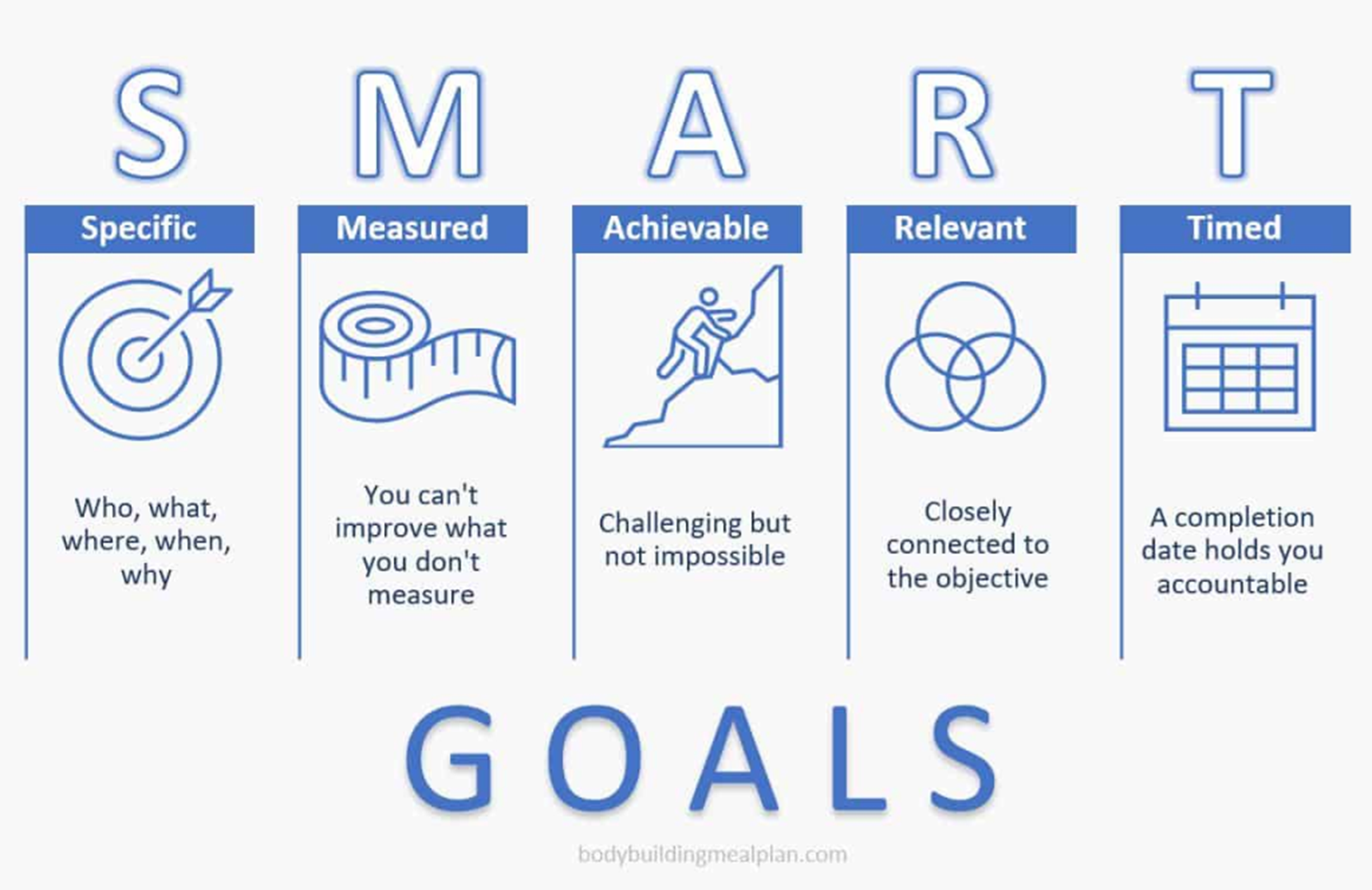
Relevant goals are directly aligned with the project’s overarching mission and objectives, contributing meaningfully to its success. Lastly, the time-bound aspect imparts a sense of urgency by setting deadlines for goal completion, ensuring that the project stays on track and progresses within a defined timeframe. Adhering to the SMART criteria in project reports enhances precision in goal-setting, promoting strategic clarity and increasing the likelihood of successful project outcomes
B. Strategy Selection
Strategy selection in project reports is a crucial aspect that involves choosing the most suitable approaches to achieve the defined project objectives. This phase requires a meticulous evaluation of various strategic options, taking into account the project’s scope, resources, and external environment. The chosen strategy becomes the guiding framework for the project team, providing a clear direction for decision-making and resource allocation.
Whether the strategy involves differentiation, cost leadership, collaboration, or innovation, its selection is informed by a comprehensive understanding of the project’s unique requirements and the broader business landscape. Clearly articulating strategy selection in project reports not only informs stakeholders about the chosen path but also ensures alignment with the project’s goals and enhances the project’s overall effectiveness and efficiency. It serves as a strategic compass, guiding the project team through the complexities of implementation and contributing to the project’s ultimate success.
1. Differentiation vs. Cost Leadership
In the realm of project reports on strategic management, the choice between differentiation and cost leadership strategies becomes a pivotal decision that shapes the project’s approach to achieving its objectives. Differentiation in project reports involves offering unique features, innovative solutions, or specialized services that set the project apart from others. This strategy often requires a focus on creativity, quality, and distinctiveness to provide added value to stakeholders. On the other hand, cost leadership in project reports emphasizes achieving project goals at a lower cost compared to competitors.
This strategy involves efficient resource allocation, budget control, and streamlined processes to maximize cost-effectiveness. The decision between differentiation and cost leadership in project reports hinges on various factors, including the project’s scope, available resources, and the competitive landscape. Striking the right balance between differentiation and cost leadership ensures that the project not only stands out in terms of value but is also executed in a financially efficient manner, contributing to its overall success
2. Porter’s Generic Strategies
In the context of project reports on strategic management, Porter’s Generic Strategies offer a valuable framework for organizations to delineate their approach to achieving a competitive advantage. The strategies—Cost Leadership, Differentiation, and Focus—provide distinct paths for project teams to consider in aligning their efforts with organizational goals. Cost Leadership in project reports involves optimizing resources and processes to deliver project outcomes at a lower cost than competitors. Differentiation focuses on providing unique features, innovation, or specialized solutions within the project that set it apart.

The Focus strategy in project reports on strategic management entails targeting a specific market segment or niche with either a cost leadership or differentiation approach. By incorporating Porter’s Generic Strategies into project reports on strategic management, organizations can strategically position their projects within the competitive landscape, ensuring a purposeful and tailored approach that maximizes the likelihood of project success and effectiveness in achieving goals.
IX. Implementation Plan: Turning Plans into Actions
A. Resource Allocation
Resource allocation in the implementation plan of project reports on strategic management is a pivotal aspect that dictates the effective utilization of available resources to achieve project objectives. This phase involves the strategic distribution of human, financial, technological, and other resources to various tasks and activities outlined in the project plan. Resource allocation is guided by the overarching project goals and timelines, ensuring that the right resources are allocated to the right tasks at the right time.

The implementation plan details how resources will be deployed and managed throughout the project lifecycle, considering factors such as project scope, complexity, and priorities. A well-structured resource allocation strategy enhances project efficiency, prevents bottlenecks, and promotes optimal use of resources, contributing to the successful execution of the project and its alignment with organizational objectives outlined in the project reports.
1. Financial Resources
Financial resources represent a critical component of any organization’s ability to achieve its objectives, including those outlined in project reports. These resources encompass the capital, funds, and financial assets available for allocation towards project activities and initiatives. In the context of project reports on strategic management, a thorough understanding of financial resources is essential for effective planning, budgeting, and execution. This includes considerations such as securing funding, managing budgets, and ensuring the prudent use of financial assets throughout the project lifecycle.
Financial resources play a key role in determining the feasibility and success of projects, influencing decisions related to resource allocation, risk management, and overall project sustainability. Organizations must carefully manage and allocate financial resources to support project goals, ensuring that projects are not only well-funded but also financially viable and aligned with broader organizational objectives.
2. Human Capital
Human capital, often considered the most valuable asset within an organization, refers to the collective skills, knowledge, experience, and expertise of its workforce. In project reports on strategic management, understanding and leveraging human capital is paramount for successful project execution. This involves not only recognizing the individual strengths and capabilities of team members but also fostering a collaborative and synergistic working environment. Human capital is a critical factor in determining the project team’s ability to innovate, problem-solve, and adapt to changing circumstances.

Moreover, the effective utilization of human capital contributes to the overall efficiency and productivity of the project. Developing strategies for recruitment, training, and talent retention outlined in project reports is crucial for optimizing human capital, ensuring that the right individuals are in the right roles and that the project team collectively possesses the skills necessary for project success.
3. Technology and Infrastructure
Technology and infrastructure constitute the backbone of modern organizations, significantly influencing the success of projects outlined in project reports on strategic management. Technology encompasses the tools, software, and innovations that facilitate project execution, from communication platforms to project management software and specialized industry tools. Infrastructure, on the other hand, refers to the physical and organizational framework supporting these technological endeavors, including facilities, networks, and systems. In project reports on strategic management, detailing the technology and infrastructure aspects involves assessing the existing capabilities, identifying necessary upgrades or investments, and outlining how these elements will be leveraged to support the project’s goals.
A robust technological foundation and efficient infrastructure contribute to streamlined project workflows, enhanced collaboration, and the overall success of the project. Integrating advancements in technology and ensuring a resilient infrastructure are essential considerations for organizations seeking to stay competitive and deliver successful projects in today’s fast-paced business environment.
B. Timelines and Milestones
Timelines and milestones are critical components in project management, providing a structured framework for planning, executing, and monitoring the progress of a project. In project reports on strategic management, delineating timelines involves establishing a detailed schedule that outlines the start and end dates of various project activities. Milestones, on the other hand, represent significant achievements or key points in the project timeline. Both timelines and milestones serve as benchmarks for measuring progress, ensuring that the project stays on track and meets its objectives within the defined timeframes.

In project reports on strategic management, it is essential to clearly articulate these timelines and milestones, providing stakeholders with a visual roadmap of the project’s journey. Effective management of timelines and milestones enhances accountability, facilitates efficient resource allocation, and contributes to the overall success of the project by providing a structured and measurable approach to achieving its goals
1. Gantt Charts
Gantt Charts are indispensable tools in project management, offering a visual representation of project schedules, timelines, and tasks. In project reports, the inclusion of Gantt Charts provides stakeholders with a clear and comprehensive overview of the project’s timeline and progress. These charts, named after their creator Henry L. Gantt, use horizontal bars to illustrate the start and end dates of individual tasks or activities, allowing for easy visualization of task dependencies and project timelines.
Gantt Charts are instrumental in planning, organizing, and tracking project activities, enabling project teams to manage resources efficiently and make informed decisions about project priorities. The visual simplicity of Gantt Charts enhances communication among project stakeholders, fostering a shared understanding of the project’s trajectory and aiding in timely and effective project execution.
2. Critical Path Analysis
Critical Path Analysis (CPA) is a sophisticated project management technique that identifies the sequence of tasks with the longest duration, determining the minimum time required for project completion. In project reports, incorporating Critical Path Analysis helps project managers and stakeholders identify the most critical activities that can impact the overall project timeline. The critical path is the sequence of interdependent tasks that, if delayed, would extend the project’s duration.
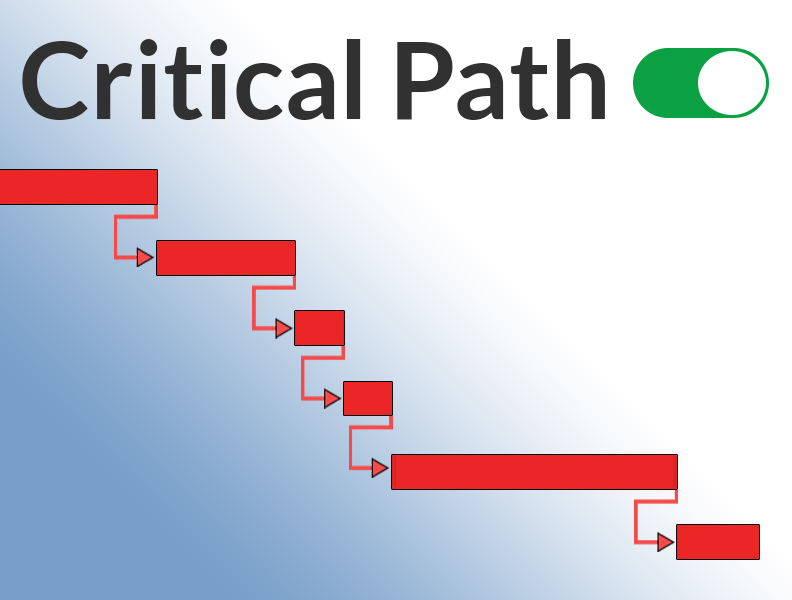
By analyzing the critical path, project teams can focus their attention on the most time-sensitive activities, ensuring that resources are allocated efficiently to prevent delays. CPA provides valuable insights into task dependencies, allowing project managers to prioritize activities, optimize resource utilization, and enhance overall project efficiency. Including Critical Path Analysis in project reports aids in effective project planning, risk management, and ensures that attention is given to the tasks that have the most significant impact on project timelines.
X. Performance Metrics and Evaluation
A. Identifying Key Performance Indicators (KPIs)
Identifying Key Performance Indicators (KPIs) is a fundamental step in project management, outlined in project reports to gauge the success and effectiveness of a project. KPIs are specific, measurable metrics that align with project objectives and organizational goals. In project reports on strategic management, detailing the identification of KPIs involves a strategic selection process where project teams determine the critical indicators that will best reflect progress and achievement. These indicators could include factors such as completion timelines, budget adherence, stakeholder satisfaction, or specific project deliverables.
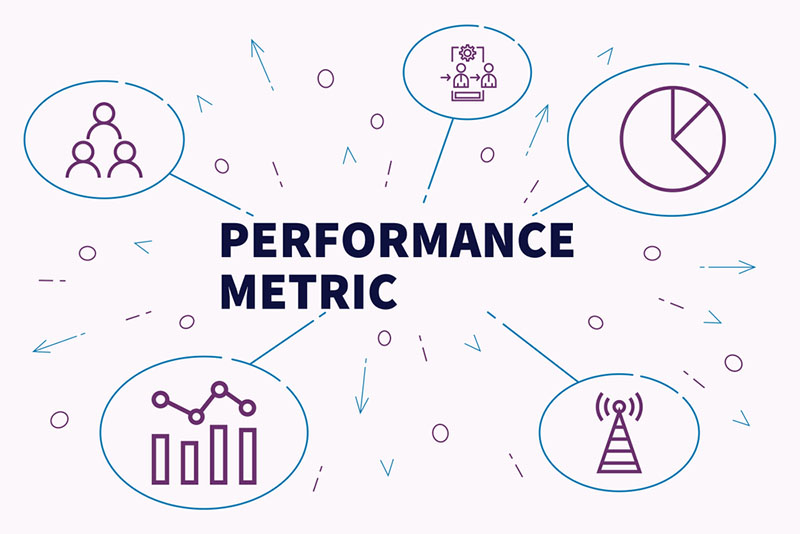
The choice of KPIs should be closely tied to the project’s overall strategy and objectives, providing a clear and quantifiable measure of success. Incorporating a diverse set of KPIs in project reports not only allows for a comprehensive assessment of project performance but also facilitates data-driven decision-making, enabling project teams and stakeholders to stay focused on key priorities and continuously improve project outcomes.
B. Benchmarking for Continuous Improvement
Benchmarking is a strategic practice outlined in project reports on strategic management that involves the continuous process of comparing and measuring an organization’s performance against industry standards, competitors, or best practices. The goal of benchmarking is to identify areas for improvement and implement changes that enhance overall efficiency and effectiveness. In project management, benchmarking helps project teams assess their processes, timelines, and outcomes in comparison to similar projects or industry benchmarks. By evaluating performance against established standards, organizations can identify gaps, set realistic goals, and implement strategies for continuous improvement.
The insights gained from benchmarking are invaluable for refining project management practices, optimizing resource utilization, and enhancing the overall quality of project outcomes. Incorporating benchmarking practices in project reports signifies a commitment to ongoing improvement, ensuring that projects not only meet current standards but also strive for excellence and innovation in line with industry best practices.
XI. The Art of Effective Communication in Project Reports
A. Tailoring Reports for Different Stakeholders
Tailoring reports for different stakeholders is a strategic approach in project management that recognizes the diverse needs and interests of various individuals or groups involved in or impacted by a project. In project reports on strategic management, this involves crafting information in a manner that is relevant and meaningful to specific stakeholders, considering their roles, responsibilities, and priorities. For instance, executives may be more interested in high-level summaries and strategic impact, while project team members may require detailed task breakdowns and progress updates.

Tailoring reports ensures that stakeholders receive information in a format that aligns with their level of involvement and decision-making authority, promoting effective communication and engagement. This approach acknowledges the importance of clear and targeted communication, fostering a shared understanding of project progress, challenges, and successes among the diverse group of stakeholders involved in or affected by the project.
B. Using Visuals and Graphs to Enhance Clarity
Utilizing visuals and graphs is a powerful strategy outlined in project reports on strategic management to enhance clarity and communicate complex information more effectively. Visual representations such as charts, graphs, and diagrams can distill intricate data and project details into easily digestible formats. These visuals provide stakeholders with a quick and clear overview of key metrics, progress, and trends, fostering a deeper understanding of the project’s status.
Whether illustrating timelines, budget allocations, or performance metrics, visuals can simplify complex concepts and make information more accessible to a diverse audience. In project reports, the strategic use of visuals not only aids in conveying information efficiently but also engages stakeholders by offering a visual narrative that complements the textual content. This approach promotes transparency, improves comprehension, and contributes to more effective decision-making, making visuals and graphs valuable tools for enhancing the overall impact and communicative power of project reports.
XII. Challenges and Solutions in Project Reporting
A. Common Pitfalls in Project Reports on Strategic Management
Common pitfalls in project reports on strategic management can undermine the effectiveness of the documentation and the success of the overall project. One such pitfall is the lack of clarity in communication, where jargon or overly technical language may hinder understanding among stakeholders. Incomplete or inconsistent data presentation is another challenge, as it can lead to misunderstandings or misinterpretations. Failure to align project goals with the broader organizational strategy is a common pitfall, as it can result in a project that does not contribute meaningfully to the organization’s objectives.

Inadequate risk assessment and mitigation planning may leave projects vulnerable to unexpected challenges. Additionally, overlooking the need for stakeholder engagement and communication can lead to misunderstandings or resistance. Addressing these common pitfalls in project reports is essential for ensuring that the strategic management process is well-documented, transparent, and aligned with organizational objectives.
B. Strategies to Overcome Challenges
Strategies to overcome challenges in project reports are crucial for ensuring the effectiveness and impact of strategic management initiatives. Clear communication strategies, such as using plain language and avoiding unnecessary jargon, enhance the report’s accessibility and understanding. Rigorous data validation and consistency checks help eliminate inaccuracies or discrepancies in the information presented, ensuring the report’s reliability. Aligning project goals closely with the broader organizational strategy and regularly reviewing this alignment can prevent the project from veering off course.
Proactive risk management, including identifying potential issues and developing contingency plans, prepares the project for unexpected challenges. Engaging stakeholders throughout the project and seeking their feedback ensures that diverse perspectives are considered, reducing the risk of misunderstandings. Lastly, fostering a culture of continuous improvement by learning from past challenges and refining reporting processes enhances the overall quality and impact of project reports in the realm of strategic management.
XIII. Real-world Examples of Successful Project Reports
A. Case Studies in Strategic Management
Case studies within successful project reports on strategic management offer a comprehensive exploration of projects that have achieved notable success in aligning with organizational goals. These detailed analyses go beyond theoretical frameworks, providing a practical examination of how strategic management principles were applied and adapted in real-world scenarios. By dissecting successful projects, these case studies shed light on the strategic decisions, risk management approaches, and innovative tactics that contributed to their accomplishments.

They serve as invaluable learning tools, offering insights into the nuances of project planning, execution, and adaptation. Project teams and stakeholders can draw inspiration and guidance from these cases, applying the lessons learned to their own strategic initiatives. In the realm of project reports, incorporating case studies of successful strategic management projects provides a tangible and actionable dimension to theoretical concepts, fostering a deeper understanding of the factors that contribute to project success within the broader context of organizational strategy.
B. Lessons Learned from Noteworthy Projects
Analyzing lessons learned from noteworthy project reports on strategic management is an essential practice for organizations seeking continuous improvement in their strategic management endeavors. These lessons encapsulate valuable insights gained from the successes and challenges documented in project reports. By examining the strategic decisions, risk mitigation strategies, and innovative approaches outlined in these reports, organizations can distill key principles that contributed to project success. Lessons learned from noteworthy project reports often encompass effective communication methods, lessons in stakeholder engagement, and strategies for overcoming unforeseen obstacles.
Documenting and applying these lessons in subsequent projects not only bolsters the organization’s strategic capabilities but also fosters a culture of adaptability and learning. Leveraging insights from noteworthy project reports ensures that past experiences contribute to informed decision-making, promoting resilience, and enhancing the overall strategic management practices of the organization.
XIV. Frequently Asked Questions (FAQs)
A. What is the primary purpose of project reports in strategic management?
The primary purpose of project reports on strategic management is to provide a comprehensive and structured account of a project’s planning, execution, and outcomes within the context of organizational strategy. These reports serve as a vital communication tool, offering stakeholders, including executives, team members, and external partners, a detailed understanding of the project’s objectives, progress, challenges, and achievements. In the realm of strategic management, project reports play a crucial role in aligning individual projects with broader organizational goals, ensuring that the undertaken initiatives contribute meaningfully to the overall strategic vision.
Additionally, project reports on strategic management facilitate transparency and accountability, offering insights into resource allocation, timelines, and the impact of strategic decisions. Through this documentation, organizations can assess the effectiveness of their strategic approaches, learn from experiences, and make informed decisions for future projects, ultimately enhancing their strategic management capabilities.
B. How do environmental analyses contribute to strategic decision-making?
Environmental analyses play a pivotal role in strategic decision-making by providing organizations with a systematic understanding of the external factors that can influence their operations. These analyses encompass a thorough examination of the political, economic, social, technological, environmental, and legal (PESTEL) aspects, as well as industry-specific factors. By comprehensively assessing the external environment, organizations can identify opportunities, anticipate threats, and understand the dynamics that may impact their strategic objectives.
Environmental analyses contribute to strategic decision-making by offering insights into market trends, competitive landscapes, and potential regulatory changes. This information allows organizations to formulate informed strategies, make proactive adjustments, and capitalize on emerging opportunities. It also helps in risk mitigation, ensuring that strategic decisions align with the external realities of the business environment. In essence, environmental analyses serve as a foundation for strategic decision-making, enabling organizations to navigate uncertainties and make decisions that align with their long-term goals and sustainability.
C. What are the key elements of a well-crafted executive summary?
A well-crafted executive summary serves as a concise and compelling overview of a document, capturing the essence of the content and allowing busy executives to quickly grasp the key insights. The key elements of an effective executive summary include a clear articulation of the document’s purpose, a brief but comprehensive summary of the main findings or recommendations, and a highlight of critical data or statistics. It should provide context for the reader by outlining the problem or opportunity addressed in the document.
Additionally, an executive summary should offer a glimpse into the methodology or approach used, ensuring transparency and credibility. The language should be concise, yet impactful, using plain language to convey complex ideas. An effective executive summary should leave the reader with a clear understanding of the document’s significance and motivate them to delve deeper into the full report for more detailed insights.
D. How can organizations effectively set and achieve strategic goals?
Organizations can effectively set and achieve strategic goals through a systematic and well-defined process that aligns the aspirations of the organization with its actions. The process typically begins with a thorough understanding of the organization’s mission, vision, and values. Clear, specific, measurable, achievable, relevant, and time-bound (SMART) goals are then formulated, ensuring that they are realistic and directly contribute to the organization’s overall strategy.
Establishing key performance indicators (KPIs) helps in tracking progress and measuring success against defined benchmarks. Effective communication of strategic goals throughout the organization ensures alignment and commitment from all stakeholders. Regular assessments and adjustments to the strategy based on changing internal and external factors are critical for maintaining relevance. Additionally, fostering a culture of accountability, innovation, and adaptability empowers the organization to overcome challenges and capitalize on opportunities, thereby enhancing the likelihood of achieving its strategic goals.
E. What role does benchmarking play in evaluating strategic performance?
Benchmarking plays a pivotal role in evaluating strategic performance as it provides organizations with a valuable yardstick for measuring their success and identifying areas for improvement. By comparing key performance indicators, processes, and outcomes against industry peers or best-in-class standards, organizations gain insights into their relative position in the market. Benchmarking allows for an objective assessment of strategic initiatives, highlighting where an organization excels and where there is room for enhancement.
It offers a structured and systematic approach to evaluating performance, fostering a culture of continuous improvement. Benchmarking not only serves as a diagnostic tool but also guides strategic decision-making by identifying best practices that can be adapted and applied internally. In essence, it provides organizations with a roadmap to enhance their strategic effectiveness, optimize processes, and stay competitive in a rapidly evolving business landscape.
XV. Conclusion
A. Summarizing the Crucial Elements of Project Reports on Strategic Management
Summarizing the crucial elements of project reports on strategic management involves distilling the comprehensive information presented in the report into key components that convey the project’s essence and impact. These elements typically include a clear articulation of the project’s purpose and objectives, a concise overview of the strategic planning and decision-making processes, and a summary of key findings and outcomes. The report should highlight how the project aligns with the broader organizational strategy and contributes to overarching goals.
Additionally, summarizing key performance indicators, milestones achieved, and any challenges overcome provides stakeholders with a comprehensive understanding of the project’s journey. By effectively summarizing these elements, project reports in strategic management serve as powerful communication tools, ensuring that stakeholders can quickly grasp the significance of the project, its strategic alignment, and the lessons learned for future endeavors.
B. Encouraging Continuous Improvement and Learning
Encouraging continuous improvement and learning in project reports is a strategic approach that contributes to the refinement and optimization of future project endeavors. This involves fostering a project culture that values reflection, feedback, and the identification of areas for enhancement. Project teams should actively seek feedback from stakeholders, assess project performance against predetermined benchmarks, and reflect on lessons learned throughout the project lifecycle. Embracing a mindset of continuous improvement ensures that project reports not only serve as documentation but also as valuable tools for organizational learning.
This iterative process allows project teams to adapt strategies, refine methodologies, and implement best practices based on past experiences. By integrating continuous improvement and learning into the project reporting cycle, organizations not only enhance the quality of their projects but also cultivate a culture of innovation and adaptability that can positively influence future strategic initiatives.

Hard Binding Dissertation ( 4 Key Features)
2 year(s) ago
Psychology dissertation topics (5 Major Areas)
2 year(s) ago
Dissertation editor (5 Key Services)
2 year(s) ago
Dissertation Coaching (7 Main Benefits)
2 year(s) ago
Dissertation Acknowledgement Format ( 6 Key Tips)
2 year(s) ago
Psychology Dissertation Topics ( 7 Main Ideas)
2 year(s) ago
Dissertation Binding ( Key Tips)
2 year(s) ago
Dissertation editing services (8 Key Areas)
2 year(s) ago
Dissertation template (Student's Guide)
2 year(s) ago
How to come up with a dissertation topic (9 Key Steps)
2 year(s) ago

Radio Active Tutors is a freelance academic writing assistance company. We provide our assistance to the numerous clients looking for a professional writing service.
Need academic writing assistance ?
Order Now