Procurement Homework Help
(12 Effective Tips)
- Introduction

A. Definition of Procurement
Procurement is the process of acquiring goods, services, or works from external sources, typically through purchasing or contracting, to meet the needs of an organization. It encompasses a series of activities, including identifying requirements, sourcing potential suppliers, negotiating terms and conditions, and ultimately acquiring the desired products or services.
Procurement Homework refers to academic assignments and tasks assigned to students in the field of procurement and supply chain management.
Procurement is crucial for organizations to ensure a smooth and efficient supply chain, cost-effective resource allocation, and the attainment of quality goods and services. It involves strategic decision-making, risk management, and adherence to ethical and legal standards. The goal of procurement is to secure the necessary resources in a timely and cost-effective manner, contributing to the overall success and sustainability of an organization.
B. Importance of Procurement in Business
Procurement is of utmost importance in the business landscape, serving as a linchpin for organizational success. By securing goods and services efficiently and cost-effectively, procurement significantly impacts a company's bottom line. Beyond financial considerations, effective procurement ensures a reliable supply chain, fostering operational stability and resilience against disruptions.
Quality assurance is another critical facet, as procurement practices contribute to the acquisition of high-quality products and services, safeguarding a company's reputation. Moreover, procurement strategies support innovation, competitiveness, and strategic partnerships, making businesses adaptable and forward-looking. Compliance with regulations, resource optimization, and a commitment to environmental and social responsibility further underscore the multifaceted significance of procurement in steering businesses toward sustainable growth and responsible practices.
C. Significance of Understanding Procurement in Academics
Understanding procurement holds significant value in academic pursuits as it equips students with essential knowledge and skills that transcend theoretical concepts. Procurement studies delve into the intricacies of acquiring goods and services, providing insights into real-world business operations. This comprehension is not only relevant for those pursuing careers in supply chain management but is increasingly essential in various business disciplines.
By exploring procurement in an academic context, students gain a holistic understanding of cost-effective resource allocation, risk management, ethical considerations, and strategic decision-making. This knowledge is applicable across diverse industries, contributing to a well-rounded education that prepares individuals to navigate the complexities of the modern business environment. Academic insights into procurement empower students to make informed, strategic contributions to organizational success and foster innovation and sustainability within the broader business landscape.
- The Basics of Procurement
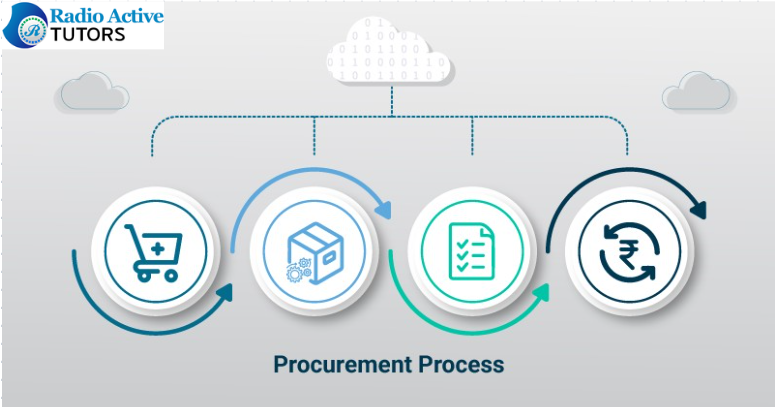
A. What is Procurement?
Procurement is the process of acquiring goods, services, or works from external sources to meet the needs of an organization. It involves a series of activities, starting from identifying requirements and sourcing potential suppliers to negotiating terms and ultimately obtaining the desired products or services.
Procurement is a fundamental aspect of organizational management, ensuring the timely and cost-effective acquisition of resources. It encompasses strategic decision-making, risk management, and adherence to ethical and legal standards. The goal of procurement is to optimize the acquisition process, contributing to the efficiency, sustainability, and success of businesses and organizations across various industries.
B. Procurement Process
The procurement process is a systematic approach to acquiring goods, services, or works that an organization needs for its operations. It typically involves several key stages, beginning with the identification of procurement needs and the development of detailed specifications. Subsequently, organizations engage in the sourcing of potential suppliers, followed by the evaluation and selection of the most suitable vendors.
Negotiations on terms and conditions, including pricing and delivery schedules, are integral to the process. Once an agreement is reached, contracts are formalized, and the goods or services are obtained. Post-procurement activities, such as performance evaluation and ongoing supplier management, ensure that the procurement process contributes to the organization's efficiency, cost-effectiveness, and overall success. Understanding the intricacies of the procurement process is vital for effective supply chain management and organizational performance.
- Challenges in Procurement Homework

A. Common Misconceptions
Common misconceptions pose significant challenges in procurement Homework, impacting the understanding and implementation of effective procurement practices. One prevalent misconception is viewing procurement solely as a cost-centric function rather than recognizing its strategic importance. Another challenge arises from the belief that procurement is a straightforward process, neglecting the complexities involved in vendor selection, negotiations, and risk management.
Additionally, the misconception that procurement operates in isolation from other business functions hinders the integration of procurement strategies with broader organizational goals. Overcoming these misconceptions requires a nuanced understanding of procurement as a multifaceted discipline that goes beyond cost savings, emphasizing strategic decision-making, ethical considerations, and its integral role in achieving overall business success. Addressing these misconceptions is crucial for advancing procurement studies and fostering a more comprehensive and accurate perspective within academic and business contexts.
B. Difficult Concepts
Procurement studies often grapple with challenging concepts that can pose obstacles to understanding and implementation. One such difficulty lies in comprehending intricate procurement methodologies and strategies, especially for those new to the field. Concepts like strategic sourcing, supplier relationship management, and complex negotiation frameworks can be particularly daunting.
The intricacies of legal and regulatory aspects in procurement also present challenges, as they require a nuanced understanding to navigate effectively. Overcoming these difficulties involves dedicated study, practical application, and perhaps most importantly, effective guidance and resources. As the procurement landscape evolves, addressing these challenging concepts becomes pivotal for researchers and practitioners alike to foster a deeper understanding and proficiency in this essential business function.
- Importance of Procurement Homework

A. Academic Significance
The importance of procurement homework holds significant academic value as it serves to reinforce theoretical concepts with practical application. Engaging in procurement homework allows students to deepen their understanding of essential principles, from sourcing strategies to contract management, within the context of real-world scenarios. It provides a platform for hands-on learning, enabling students to apply theoretical knowledge to practical challenges commonly faced in procurement.
Moreover, homework assignments foster critical thinking and problem-solving skills, preparing students for the complexities of the procurement field. By completing procurement homework, students not only demonstrate mastery of the subject but also develop the analytical and decision-making capabilities essential for success in both academic and professional pursuits within the realm of procurement.
B. Real-world Applications
The importance of procurement homework extends beyond the classroom, emphasizing its real-world applications and relevance in professional settings. By engaging in procurement homework, students gain practical insights into the intricacies of sourcing, negotiation, and supply chain management. These assignments often mirror the challenges encountered in actual procurement scenarios, providing a bridge between theoretical knowledge and practical implementation.
Homework in procurement allows students to hone critical skills such as strategic thinking, decision-making, and problem-solving, all of which are essential for success in the dynamic and competitive business environment. As students apply procurement concepts to practical exercises, they are better equipped to navigate the complexities of procurement in their future careers, contributing to their overall professional development and proficiency in the field.
C. Career Implications
The importance of procurement homework holds significant career implications as it directly contributes to the professional readiness of individuals entering the field. Completing procurement homework not only reinforces theoretical knowledge but also cultivates practical skills crucial for a successful career in procurement. Homework assignments often simulate real-world challenges, allowing students to develop strategic thinking, decision-making, and problem-solving abilities.
This hands-on experience prepares individuals to navigate the complexities of procurement in diverse industries. Additionally, by consistently engaging with procurement homework, students enhance their analytical capabilities and familiarity with industry practices, giving them a competitive edge in the job market. Ultimately, the successful completion of procurement homework is a testament to an individual's preparedness for the challenges and responsibilities inherent in a procurement career.
- How to Approach Procurement Homework

A. Understanding Assignment Requirements
Approaching procurement homework effectively begins with a thorough understanding of assignment requirements. Before diving into the task, carefully review the instructions provided by the instructor. Identify key elements such as the specific procurement concepts to be addressed, the format expected, and any specific guidelines for research or citation. Clarify doubts about terminology or expectations to ensure a precise interpretation of the requirements.
This initial step lays the foundation for a focused and well-structured response. Understanding the assignment requirements not only guides the content but also helps in allocating appropriate time and resources for research and analysis. By establishing a clear comprehension of what is expected, students can navigate procurement homework with confidence and produce work that aligns closely with academic expectations.
B. Research Strategies
Approaching procurement homework effectively involves implementing strategic research methods. Begin by identifying reliable sources that provide in-depth information on the specific procurement concepts or challenges outlined in the assignment. Utilize academic journals, reputable textbooks, and industry reports to gather relevant and current insights. Take note of different perspectives and methodologies to present a comprehensive analysis.
Additionally, consider incorporating real-world examples and case studies to illustrate theoretical concepts and enhance the practical application of your work. A well-rounded understanding of the procurement landscape, obtained through thorough research, not only strengthens the academic merit of your homework but also equips you with valuable insights applicable to professional scenarios. By employing effective research strategies, students can elevate the quality of their procurement homework, demonstrating a nuanced understanding of the subject matter.
C. Utilizing Available Resources
Effectively approaching procurement homework involves utilizing available resources to enhance understanding and deliver comprehensive insights. Start by leveraging academic databases, textbooks, and reputable journals to gather foundational knowledge on the assigned topics. Utilize any guidelines or lecture notes provided by the instructor for additional clarity. Take advantage of online resources, industry reports, and case studies to supplement theoretical concepts with practical applications.
Engage in discussions with peers or seek guidance from professors to gain diverse perspectives and refine your understanding. Efficiently utilizing available resources not only strengthens the quality of your procurement homework but also demonstrates a proactive and research-oriented approach. By tapping into a variety of sources, students can enrich their analyses, fostering a well-rounded and informed response to the challenges presented in procurement assignments.
- Resources for Procurement Students

A. Recommended Books
Procurement students can enhance their understanding and excel in homework assignments by exploring recommended books that delve into the intricacies of procurement. Authoritative works such as "Procurement Principles and Management" by Baily, Farmer, and Crocker provide comprehensive coverage of procurement strategies, vendor management, and negotiation techniques.
For those interested in sustainable procurement, "Sustainable Procurement: Practices, Impacts, and Opportunities" by Carter and Rogers offers valuable insights. Additionally, "The Procurement Game Plan" by Jonathan O'Brien focuses on strategic procurement and supplier relationship management. These recommended books serve as invaluable resources, offering in-depth knowledge, practical insights, and case studies that contribute to a well-rounded and informed approach to procurement homework.
B. Online Courses and Webinars
Procurement students looking to enrich their understanding and excel in homework assignments can benefit from a variety of online courses and webinars. Platforms like Coursera, LinkedIn Learning, and edX offer courses covering diverse aspects of procurement, ranging from fundamental principles to advanced strategies. "Introduction to Procurement" and "Strategic Sourcing" are examples of courses that provide a structured and interactive learning experience.
Additionally, participating in webinars hosted by industry experts and professional organizations offers real-time insights into current trends and challenges in procurement. These online resources not only complement traditional coursework but also provide students with the flexibility to learn at their own pace and tailor their educational journey to specific areas of interest within the procurement field.
C. Industry Journals and Publications
For procurement students seeking valuable insights and up-to-date information for their homework, industry journals and publications serve as indispensable resources. Journals such as the "Journal of Purchasing and Supply Management" and publications like "Procurement Leaders" offer scholarly articles, research findings, and case studies that delve into the latest trends and practices in procurement.
Accessing these publications provides students with a deeper understanding of current issues, best practices, and emerging concepts within the procurement landscape. Engaging with industry-specific journals not only supports academic research but also enhances the practical application of procurement knowledge, offering a well-rounded perspective that is instrumental in crafting comprehensive and informed homework assignments.
- Procurement Homework Tips from Experts

A. Time Management
Procurement homework can be efficiently tackled with expert tips, and one crucial aspect emphasized by professionals is effective time management. Experts advise breaking down the assignment into smaller tasks and setting realistic deadlines for each. Prioritizing tasks based on complexity and importance ensures a systematic approach.
Creating a schedule and adhering to it helps prevent last-minute rushes and ensures ample time for thorough research and thoughtful analysis. By managing time effectively, procurement students not only meet deadlines but also enhance the overall quality of their work, demonstrating a disciplined and organized approach that mirrors best practices in the dynamic field of procurement.
B. Collaborative Learning
Procurement students can elevate their homework approach with insights from experts, and one valuable tip is to embrace collaborative learning. Experts emphasize the benefits of discussing concepts and challenges with peers, engaging in group discussions, or forming study groups. Collaborative learning not only fosters a deeper understanding of procurement principles but also exposes students to diverse perspectives and problem-solving strategies.
This approach encourages knowledge sharing, enabling individuals to learn from each other's experiences and insights. By actively participating in collaborative efforts, procurement students not only enhance their own understanding but contribute to a collective learning environment that mirrors the collaborative nature of the procurement profession.
C. Seeking Help When Needed
Procurement homework becomes more manageable when students heed the advice of experts and recognize the importance of seeking help when needed. Experts stress that understanding complex procurement concepts may sometimes require additional guidance.
Whether it's consulting with professors during office hours, reaching out to classmates for clarification, or utilizing online resources, acknowledging areas of difficulty and actively seeking assistance contributes to a more comprehensive comprehension of the subject matter. This proactive approach not only ensures the accuracy of the homework but also cultivates a mindset of continuous learning and improvement, preparing students for the dynamic challenges they may encounter in their future procurement careers.
- Ethics in Procurement

A. Importance of Ethical Practices
The importance of ethical practices in procurement cannot be overstated. Ethical conduct forms the foundation of a trustworthy and sustainable procurement process. By adhering to a high standard of ethical behavior, procurement professionals contribute to the integrity of their organizations and the broader business environment. Ethical practices in procurement encompass fair and transparent supplier selection, unbiased decision-making, and compliance with legal and regulatory standards.
Beyond legal obligations, ethical procurement involves considerations of social responsibility and environmental sustainability. Upholding ethical standards not only builds trust with suppliers and stakeholders but also safeguards against reputational risks. Ultimately, the emphasis on ethical practices in procurement is integral to fostering a culture of integrity, accountability, and responsible business conduct.
B. Common Ethical Dilemmas in Procurement
Ethics in procurement often encounters common dilemmas that require careful navigation to uphold integrity and transparency. One prevalent challenge is the potential for conflicts of interest, where procurement professionals must manage relationships with suppliers impartially. Another dilemma arises in the context of bribery and corruption, highlighting the importance of resisting unethical practices that compromise fair competition.
The ethical consideration of supplier diversity and inclusion is also pertinent, ensuring equal opportunities for all vendors. Additionally, maintaining confidentiality in procurement processes can pose ethical challenges, especially when dealing with sensitive information. Effectively addressing these common ethical dilemmas demands a commitment to ethical decision-making, robust policies, and continuous education to equip procurement professionals with the tools to navigate complex ethical terrain responsibly.
C. Case Studies on Ethical Decision-Making
Case studies on ethical decision-making in procurement serve as illuminating examples that guide professionals through complex scenarios. These real-world situations often involve dilemmas such as vendor relationships, conflicts of interest, or issues related to transparency. By examining these cases, procurement professionals gain insights into the ethical considerations and decision-making processes that lead to positive outcomes.
Learning from both successful and challenging instances helps build a framework for navigating ethical complexities in the procurement field. Case studies foster a deeper understanding of the consequences of ethical decisions and empower professionals to apply ethical principles effectively in their own procurement practices. This practical approach enhances the ethical acumen of procurement professionals, ensuring that they can make principled decisions that align with organizational values and industry standards.
- Procurement Homework Help Platforms

A. Online Tutoring Services
Procurement students seeking assistance with their homework can benefit significantly from online tutoring services. These platforms offer a personalized and interactive learning experience, connecting students with experienced tutors who specialize in procurement concepts and practices. Online tutors provide guidance on specific homework assignments, clarify doubts, and offer insights into complex procurement topics.
The one-on-one nature of online tutoring allows for tailored assistance, adapting to the individual needs and pace of the student. Additionally, these platforms often provide flexibility in scheduling, enabling students to access support when it best suits their study routine. Overall, online tutoring services play a crucial role in facilitating a deeper understanding of procurement coursework, contributing to academic success and proficiency in the field.
B. Homework Assistance Websites
Homework assistance websites dedicated to procurement provide invaluable support for students navigating the complexities of their assignments. These platforms offer a wealth of resources, from study guides and explanatory materials to sample solutions for common procurement challenges. Students can access a variety of homework assistance websites to find answers to specific questions, gain clarity on intricate procurement concepts, and even engage in forums or discussion boards for collaborative learning.
These platforms serve as comprehensive repositories of knowledge, aiding students in grasping theoretical frameworks and applying them practically. By leveraging homework assistance websites, procurement students can enhance their understanding, tackle challenging assignments with confidence, and reinforce their proficiency in this vital field of study.
C. Peer-to-Peer Learning Platforms
Peer-to-peer learning platforms are valuable resources for procurement students seeking homework help. These platforms foster collaborative learning environments where students can share insights, discuss challenging concepts, and offer assistance to their peers. Engaging in peer-to-peer learning allows students to benefit from diverse perspectives, alternative problem-solving approaches, and the collective wisdom of the group.
Such platforms often include discussion forums, study groups, and interactive features that facilitate knowledge exchange. By tapping into the collective knowledge of their peers, procurement students can gain a deeper understanding of coursework, receive valuable tips for completing homework assignments, and collectively navigate the intricacies of procurement studies. Peer-to-peer learning platforms enhance the sense of community and shared learning experiences, contributing to the academic success of procurement students.
- Feedback and Evaluation in Procurement Studies

A. Providing Constructive Feedback
In the realm of procurement homework, the process of providing constructive feedback is instrumental for both educators and students. Constructive feedback goes beyond pointing out errors; it aims to highlight areas of improvement while acknowledging strengths. Educators play a crucial role in offering feedback that not only evaluates the content but also guides students in refining their analytical and decision-making skills.
Likewise, students benefit from actively seeking and incorporating constructive feedback into their work, fostering continuous improvement. This feedback loop contributes to the enhancement of critical thinking, research capabilities, and the overall quality of procurement homework, aligning with the broader goal of preparing students for the challenges and complexities of the procurement profession.
B. Self-Evaluation Strategies for Students
Empowering students with the ability to self-evaluate is a crucial aspect of feedback and evaluation in procurement homework. By encouraging self-reflection, students can assess the strengths and weaknesses of their work independently. Implementing self-evaluation strategies involves critically reviewing the content, checking for coherence, and ensuring alignment with assignment requirements.
This process enables students to identify areas for improvement and refine their understanding of procurement concepts. Additionally, self-evaluation fosters a sense of accountability and ownership over one's learning, preparing students to proactively address challenges and continuously enhance the quality of their procurement homework. As a valuable skill in professional development, self-evaluation contributes to a mindset of continuous improvement, aligning students with the dynamic demands of the procurement field.
C. Continuous Improvement in Procurement Skills
Feedback and evaluation in procurement homework are essential components that drive continuous improvement in procurement skills. Constructive feedback from instructors provides valuable insights into the strengths and areas for development in a student's work. By carefully analyzing this feedback, students can identify specific areas for improvement and refine their procurement skills.
This iterative process not only enhances their understanding of procurement concepts but also sharpens their analytical and critical thinking abilities. Embracing a mindset of continuous improvement based on feedback ensures that students are well-prepared to tackle the dynamic challenges of the procurement profession, fostering a commitment to lifelong learning and professional growth in this evolving field.
- Building a Procurement Portfolio

A. Showcasing Homework Assignments
Building a compelling portfolio for procurement homework involves skillfully showcasing assignments to demonstrate proficiency in the field. Carefully curate assignments that exhibit a spectrum of procurement capabilities, encompassing strategic sourcing, ethical decision-making, and practical applications. Organize the portfolio coherently, creating sections that delineate different aspects of procurement.
Begin with a concise introduction to set the context, followed by detailed descriptions of each assignment. Consider incorporating visual elements such as charts or excerpts to enhance presentation. Reflect on the learning experience for each assignment, addressing challenges and growth. Showcase diversity in your portfolio to underscore adaptability across various procurement domains. Conclude by aligning the showcased assignments with career aspirations, emphasizing how the demonstrated skills contribute to success in the dynamic realm of procurement.
B. Including Practical Experiences
Constructing an impactful portfolio for procurement homework necessitates the inclusion of practical experiences to enrich its depth and authenticity. Beyond showcasing theoretical prowess, integrating practical insights from hands-on experiences in procurement assignments adds a dynamic layer to the portfolio. Include case studies, internships, or any applied projects that demonstrate the real-world application of procurement concepts. Detailing challenges faced and resolutions implemented in these practical encounters not only adds credibility but also emphasizes adaptability and problem-solving skills. This integration of practical experiences serves to provide a comprehensive view of your capabilities, portraying a holistic understanding of procurement that extends beyond academic theories.
C. Highlighting Achievements and Recognitions
When constructing a portfolio for procurement homework, it is crucial to strategically highlight achievements and recognitions garnered throughout your academic journey. Whether it's outstanding performance in specific assignments, acknowledgment for innovative solutions, or recognition from professors, these accolades underscore your dedication and proficiency in procurement studies.
Including such achievements adds a layer of credibility to your portfolio, showcasing not only your theoretical knowledge but also your practical application and impact within the academic environment. This emphasis on achievements communicates a commitment to excellence and sets you apart in the competitive landscape of procurement professionals.
- Conclusion

A. Recap of Key Points
In conclusion, this guide has provided a comprehensive roadmap for navigating the intricacies of procurement homework successfully. From understanding the basics to tackling ethical considerations, each section has contributed to a holistic approach in mastering procurement studies. As a recap, it emphasized the importance of research, crafting compelling thesis statements, and delving into literature reviews.
It navigated through the methodology section, data analysis, and interpretation, offering insights into effective writing strategies. Ethical considerations, challenges in procurement studies, and the significance of seeking feedback were addressed. The guide also provided guidance on constructing a procurement portfolio and the importance of showcasing achievements. By encapsulating these key points, this guide aims to empower procurement students with the knowledge and skills needed to excel in their academic pursuits and future professional endeavors.
B. Encouragement for Students
In closing, this procurement homework guide extends not only practical insights but also encouragement to students navigating the complexities of procurement studies. As you embark on your academic journey, remember that challenges are inherent but surmountable with diligence and a commitment to continuous learning. Embrace the diverse facets of procurement, from understanding methodologies to addressing ethical considerations, recognizing that each hurdle is an opportunity for growth.
Constructing a portfolio that reflects your achievements and practical experiences will set you apart. Seek feedback with eagerness, knowing that it propels improvement. As you conclude this guide, take pride in your pursuit of procurement knowledge, and let it fuel your passion for making meaningful contributions to this dynamic field. You have the tools; now, approach your procurement homework with confidence and enthusiasm, knowing that every assignment is a step towards expertise.