New Order Found Please Review the order ASAP for the client to
proceed

Unread Message Found Please check the message ASAP and reply to client

A. Importance of Political Science Dissertations
Political Science dissertations play a crucial role in advancing our understanding of political phenomena and contributing to the academic discourse within the field. These comprehensive research projects delve into intricate aspects of politics, offering valuable insights into the dynamics of governance, international relations, and societal structures. By addressing pertinent questions and employing rigorous methodologies, political science dissertations contribute to the accumulation of knowledge, providing a foundation for informed policymaking and fostering intellectual growth.
Moreover, they serve as a means for scholars to demonstrate their analytical prowess, critical thinking skills, and mastery of research methods. As a result, political science dissertations not only enhance the scholarly landscape but also shape the future of political inquiry, influencing academic discussions, public policy decisions, and the overall comprehension of political processes and institutions.
B. Challenges Faced by Students
Political Science students encounter several challenges when undertaking dissertations in their academic pursuits. The multifaceted nature of political phenomena often requires students to navigate complex theories, intricate methodologies, and vast bodies of literature. Crafting a dissertation demands a significant time investment, and students may struggle with managing their time effectively, especially when juggling coursework and other responsibilities.
Accessing relevant and up-to-date research materials, as well as collecting primary data, can pose logistical hurdles. Additionally, defining a focused research question that contributes meaningfully to the existing knowledge in political science can be a daunting task. Moreover, students may grapple with the pressure to produce original insights and engage in nuanced analyses. Overcoming these challenges requires resilience, effective time management, and a deep commitment to scholarly inquiry, reflecting the rigorous nature of political science research.
C. Overview of the Article
This article provides an overview of the significance and challenges associated with Political Science Dissertations. It highlights the crucial role these dissertations play in advancing our understanding of political phenomena, contributing to academic discourse and shaping informed policymaking. The importance of addressing pertinent questions with rigorous methodologies is emphasized, underscoring the impact of these research projects on the broader landscape of political inquiry.
The article also acknowledges the challenges faced by students pursuing political science dissertations, including the complexity of political theories, time management issues, and the pressure to produce original contributions. By providing a comprehensive perspective, this overview aims to underscore the vital role of political science dissertations in both academia and the broader context of political understanding.

A. Definition and Purpose of a Dissertation
In the realm of Political Science, a dissertation serves as a comprehensive and in-depth exploration of a specific research question or topic. Essentially, it is a scholarly document that demonstrates a student's mastery of the subject matter, research skills, and ability to contribute meaningfully to the academic discourse.
The purpose of a Political Science dissertation is twofold: first, to advance our understanding of political phenomena by addressing a relevant and often complex research question, and second, to showcase the researcher's ability to critically analyze existing literature, employ appropriate research methodologies, and draw meaningful conclusions. In essence, a Political Science dissertation is a cornerstone of academic achievement within the field, providing a platform for students to showcase their intellectual prowess and contribute valuable insights to the broader landscape of political inquiry.
B. Scope of Political Science Dissertations
The scope of Political Science dissertations is expansive, encompassing a wide array of topics within the realm of political inquiry. These research projects delve into the intricacies of governance, international relations, political ideologies, public policy, and various other dimensions of political phenomena. The scope also extends to diverse methodologies, ranging from theoretical analyses and literature reviews to empirical studies involving data collection and statistical analyses.
Political Science dissertations aim to contribute original insights, address gaps in existing knowledge, and offer a nuanced understanding of complex political issues. As a result, the scope of these dissertations reflects the diverse and dynamic nature of the field, allowing students and researchers to explore and contribute to the multifaceted landscape of political science.
C. Significance in Academic and Professional Spheres
Political Science dissertations hold significant importance in both academic and professional spheres. Academically, these comprehensive research projects serve as a culmination of a student's academic journey, showcasing their mastery of political theories, research methodologies, and critical thinking skills. They contribute to the existing body of knowledge within the field, advancing our understanding of political phenomena. Professionally, a well-executed dissertation can enhance a student's credibility and open doors to opportunities in research, academia, or policy analysis.
Employers in various sectors value the analytical and research skills demonstrated through the completion of a Political Science dissertation. Furthermore, these dissertations can influence policy discussions and contribute to informed decision-making in the real-world political landscape. Thus, the significance of Political Science dissertations extends beyond the academic realm, making them integral to both intellectual growth and professional development.

A. Importance of Topic Selection
The importance of selecting a relevant topic for Political Science dissertations cannot be overstated. The choice of topic shapes the entire research process and determines the contribution a dissertation makes to the field. A well-chosen topic not only reflects the researcher's interest but also addresses current issues or gaps in political knowledge. It allows for the exploration of nuanced perspectives, contributing to the advancement of political science.
Furthermore, a relevant topic ensures the dissertation's significance in the academic community, fostering engagement and discussion. The right choice can also have practical implications, influencing policy debates and real-world applications. In essence, the importance of topic selection lies in its ability to guide meaningful research, make a substantive contribution to the discipline, and resonate with both academic and practical concerns in the dynamic landscape of political science.
B. Narrowing Down Your Focus
Narrowing down the focus of a Political Science dissertation is a crucial step in refining the research and ensuring its feasibility and depth. By honing in on a specific aspect of the broader topic, researchers can delve deeper into the subject matter and provide a more nuanced analysis. This process involves identifying a precise research question or hypothesis that can be thoroughly investigated within the confines of the dissertation.
The benefits of narrowing down the focus include the ability to manage the scope of the research, allocate resources effectively, and produce a more targeted and in-depth exploration of the chosen theme. Additionally, a focused approach enhances the clarity of the research objectives and makes the dissertation more accessible to both academic and non-specialist audiences. Overall, the skillful act of narrowing down the focus refines the research, ensuring a more impactful and manageable Political Science dissertation.
C. Connecting Your Passion with Academic Relevance
Connecting your passion with academic relevance is a key consideration when selecting a topic for Political Science dissertations. Choosing a subject that genuinely interests and motivates you can lead to a more engaged and personally rewarding research experience. However, it's crucial to align that passion with academic relevance to ensure the chosen topic contributes meaningfully to the field.
By identifying intersections between your interests and pressing issues or gaps in political science literature, you can create a research project that is both personally fulfilling and academically impactful. This connection not only enhances your commitment to the dissertation but also facilitates a more genuine and thoughtful exploration of the chosen subject matter. Ultimately, the synergy between personal passion and academic relevance ensures a well-rounded and compelling Political Science dissertation that resonates with both the researcher and the broader academic community.

A. Defining a Clear Thesis
Crafting a solid thesis statement for Political Science dissertations involves defining a clear and focused argument that succinctly captures the essence of your research. A well-crafted thesis statement should articulate the main point of your dissertation and provide a roadmap for the reader. Start by identifying the core question your research aims to address and then express your position or hypothesis concisely.
Ensure that your thesis statement is specific and avoids vague or general language. Additionally, it's beneficial to highlight the significance of your research within the broader context of political science. Strive for clarity, precision, and relevance in your thesis statement, as it serves as a guiding beacon for your entire dissertation, directing both your research and the reader's understanding of your scholarly contribution.
B. The Role of the Thesis in Guiding Research
The thesis statement in Political Science dissertations plays a pivotal role in guiding the research process. It serves as a concise and focused articulation of the main argument or hypothesis, providing a clear direction for the investigation. As the foundational element of the dissertation, the thesis statement shapes the research questions, methodology, and the overall structure of the study. It acts as a roadmap, helping researchers stay on course and maintain coherence throughout the project.
A well-crafted thesis statement not only defines the scope of the study but also indicates the significance of the research within the broader field of political science. By effectively guiding the research, the thesis statement ensures that the dissertation maintains a clear purpose, contributes meaningfully to existing scholarship, and ultimately delivers a compelling and coherent narrative.
C. Ensuring Originality and Contribution
Crafting a solid thesis statement for Political Science dissertations involves ensuring both originality and contribution to the field. The thesis should clearly articulate a unique perspective, question, or argument that distinguishes it from existing research. It is essential to avoid replicating well-trodden paths and instead propose a novel approach or shed light on an understudied aspect of the chosen topic.
The statement should convey a sense of the dissertation's contribution to political science literature, highlighting how the research fills a gap, challenges prevailing assumptions, or offers fresh insights. This emphasis on originality and contribution not only sets the dissertation apart but also ensures its significance within the academic discourse. A robust thesis statement, rooted in originality, serves as a foundation for a dissertation that not only adds to the body of knowledge but also advances the understanding of political phenomena in a meaningful way.

A. Overview of Research Methods in Political Science
Political Science dissertations employ a diverse range of research methodologies to investigate and analyze political phenomena. Quantitative methods, such as surveys and statistical analyses, are frequently utilized to measure and quantify political trends, behaviors, and outcomes. Qualitative methods, including case studies, interviews, and content analysis, allow researchers to explore the depth and nuances of political processes, ideologies, and institutions.
Comparative research is a common approach, involving the systematic comparison of different political systems, regions, or historical periods. Additionally, archival research delves into historical documents and records to uncover patterns and trends. Mixed-methods approaches, combining both quantitative and qualitative techniques, are increasingly popular for their ability to provide a comprehensive understanding of complex political issues. The choice of research methodology depends on the research question, the nature of the data, and the theoretical framework guiding the dissertation. A well-designed methodology is essential for producing rigorous and reliable findings in Political Science dissertations.
B. Selecting the Right Methodology
Selecting the right methodology is a critical aspect of designing Political Science dissertations. The choice of methodology depends on the nature of the research question, the type of data required, and the theoretical framework guiding the study. Quantitative methodologies, such as surveys and statistical analyses, are suitable for investigating patterns, correlations, and causal relationships in large datasets. Qualitative methodologies, such as case studies and interviews, are valuable for exploring in-depth understanding, perspectives, and the context of political phenomena.
Researchers must carefully consider the strengths and limitations of each approach, as well as their compatibility with the specific objectives of the dissertation. Additionally, mixed-methods approaches, combining both quantitative and qualitative techniques, offer a comprehensive understanding by leveraging the strengths of each. The key is to align the chosen methodology with the research goals, ensuring that it provides the most effective means to answer the research questions and contribute meaningfully to the field of Political Science.
C. Ensuring Research Ethics and Integrity
Ensuring research ethics and integrity is a paramount consideration in the methodology of Political Science dissertations. Researchers must adhere to ethical principles to safeguard the well-being of participants, maintain the credibility of their work, and uphold the integrity of the research process. Obtaining informed consent, ensuring confidentiality, and protecting the anonymity of participants are fundamental ethical considerations, especially in studies involving human subjects.
Transparency in reporting methods, acknowledging potential biases, and addressing conflicts of interest contribute to the overall integrity of the research. Additionally, researchers must comply with institutional review board (IRB) requirements and ethical guidelines specific to Political Science research. By prioritizing ethical conduct, scholars not only uphold the values of academic integrity but also contribute to the trustworthiness and credibility of their findings, fostering a culture of responsible research within the discipline.

A. Significance of a Thorough Literature Review
A thorough literature review holds paramount significance in Political Science dissertations for several reasons. Firstly, it establishes the context for the research by surveying existing scholarship and identifying key theories, concepts, and debates relevant to the chosen topic. This contextualization is crucial for demonstrating the researcher's understanding of the field and the gaps or areas where further investigation is warranted. Secondly, a comprehensive literature review helps refine the research question by highlighting what has already been explored and what remains unexplored or contested.
This process ensures that the dissertation makes a unique and valuable contribution to the existing body of knowledge in Political Science. Thirdly, it provides a foundation for the theoretical framework, helping researchers situate their work within established theoretical perspectives. Moreover, a thorough literature review informs the selection of research methods, guiding the researcher in choosing the most appropriate approach based on the gaps identified in the literature. In essence, a well-executed literature review is integral to the overall rigor and scholarly merit of Political Science dissertations.
B. Identifying Gaps in Existing Research
Identifying gaps in existing research is a critical function of the literature review in Political Science dissertations. By thoroughly examining the available body of literature, researchers can pinpoint areas where there is a dearth of information, conflicting findings, or unresolved questions. Recognizing these gaps is essential as it provides the rationale and justification for the dissertation, demonstrating the need for the current study.
It allows researchers to position their work within the broader academic discourse and articulate the unique contribution their dissertation aims to make. Furthermore, identifying gaps in existing research helps shape the research questions, objectives, and hypotheses, ensuring that the study addresses issues that have not been adequately explored or understood. Ultimately, the process of identifying gaps in the literature adds depth and significance to Political Science dissertations by highlighting the researcher's awareness of the field's current state and their commitment to advancing knowledge in specific, underexplored areas.
C. Constructing a Comprehensive Review
Constructing a comprehensive literature review is a pivotal aspect of Political Science dissertations. A well-crafted literature review serves as the foundation for the entire research endeavor, providing a thorough examination of existing scholarship relevant to the chosen topic. To achieve comprehensiveness, researchers systematically review and synthesize key theories, empirical studies, and debates within the field of political science. This process involves organizing the literature into themes or categories, highlighting trends and patterns, and critically evaluating the strengths and limitations of previous research.
By offering a panoramic view of the existing body of knowledge, a comprehensive literature review not only establishes the context for the study but also helps researchers identify gaps, controversies, and areas for further exploration. Additionally, it aids in the development of a theoretical framework, shaping the conceptual underpinnings of the dissertation. Overall, a well-constructed literature review is an essential component that enriches the intellectual foundation of Political Science dissertations, contributing to their scholarly rigor and significance.
A. Introduction to Dissertation Structure
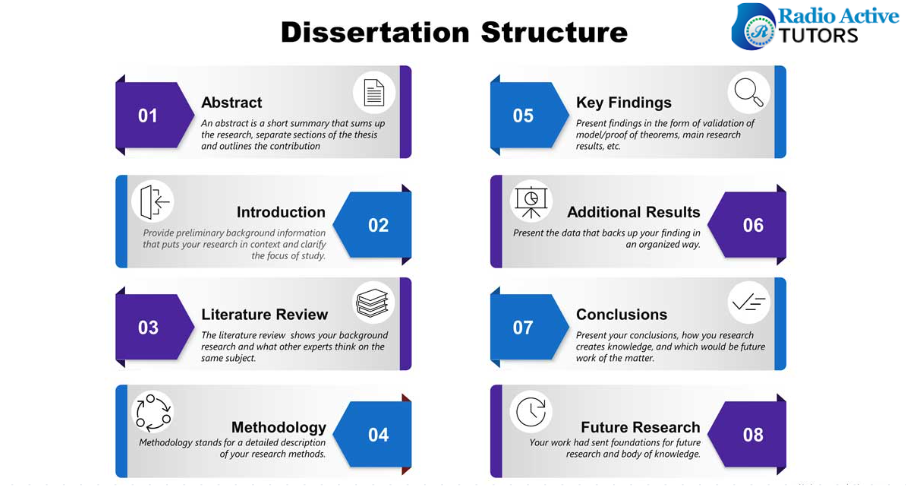
The introduction to the structure of Political Science dissertations serves as the gateway to the research journey. It provides a comprehensive overview, introducing the research problem, objectives, and the study's significance. This section sets the context for the subsequent chapters and outlines the theoretical framework guiding the study.
The introduction also establishes the methodology that will be employed, giving readers a roadmap for the research process. By encapsulating the essence of the dissertation, the introduction serves as a critical starting point, capturing the reader's interest and laying the foundation for the systematic exploration of political phenomena that follows.
B. Crafting a Captivating Introduction
Crafting a captivating introduction is crucial in the structure of Political Science dissertations. This opening section serves as the point of entry into the research, setting the tone for the entire study. An effective introduction not only outlines the research problem and objectives but also captures the reader's attention by highlighting the significance of the study in the broader context of political science.
It introduces key concepts, establishes the theoretical framework, and provides a roadmap for the ensuing chapters. By engaging the reader from the outset, a well-crafted introduction not only informs but also generates interest, motivating readers to delve deeper into the dissertation to understand the complexities of the political phenomena under investigation.
C. Organizing the Main Body Coherently
Organizing the main body coherently is pivotal in the structure of Political Science dissertations. This central section systematically presents the research findings, analyses, and discussions in a logical sequence, aligning with the established research questions or hypotheses. Each chapter unfolds with clarity, addressing specific aspects of the study and contributing to the overall narrative.
A well-organized main body ensures a coherent flow of information, allowing readers to follow the development of arguments, interpretations, and connections to the existing literature. By maintaining a logical structure, the main body of the dissertation facilitates a comprehensive exploration of political phenomena, enhancing the overall impact and readability of the research.
D. Creating an Effective Conclusion
Creating an effective conclusion is a crucial element in the structure of Political Science dissertations. In this final section, the key findings are summarized, and the research questions are revisited, offering a concise overview of the study's contributions. The conclusion also delves into the broader implications of the research, connecting the findings to existing literature and real-world applications.
Importantly, it addresses the limitations of the study and suggests avenues for future research. By providing closure and synthesizing the main insights, a well-crafted conclusion not only reinforces the significance of the dissertation but also leaves a lasting impression on the reader, solidifying the overall impact of the research within the field of Political Science.

A. Tailoring Your Writing to Academic Standards
In Political Science dissertations, the writing style and tone should align with academic standards to convey professionalism and scholarly rigor. The language used should be precise, clear, and objective, avoiding unnecessary jargon or overly complex sentences that may hinder comprehension. Maintaining a formal tone is essential, demonstrating a respectful engagement with the subject matter and the existing literature.
The use of evidence and citations is crucial to support arguments and lend credibility to the research. Additionally, writers should be mindful of the conventions of academic writing, including proper citation formats and adherence to the specific guidelines of the chosen citation style (e.g., APA, MLA). Striking a balance between formality and clarity ensures that the dissertation meets the high standards of academic discourse in Political Science, effectively communicating the research to a scholarly audience.
B. Balancing Formality and Engaging Expression
Achieving a delicate balance between formality and engaging expression is paramount in the writing style and tone of Political Science dissertations. While maintaining a formal tone to uphold the academic standards of the discipline, it is equally important to ensure that the writing remains accessible and engaging for the reader.
Clear and precise language should be employed to convey complex ideas without sacrificing clarity. The use of transitions between sections and cohesive writing aids in guiding the reader through the dissertation seamlessly. Striking this balance allows the researcher to convey the seriousness and scholarly rigor required in Political Science while also making the content approachable, facilitating a more effective communication of ideas to the academic audience.
C. The Art of Clear and Concise Writing
In Political Science dissertations, mastering the art of clear and concise writing is essential. The discipline demands a writing style that communicates complex ideas with precision and clarity. Avoiding unnecessary verbosity and maintaining a focus on the key points help ensure that the content is easily comprehensible to a diverse academic audience.
Each sentence should contribute directly to the overall argument or analysis, enhancing the dissertation's readability. Additionally, employing a formal and objective tone maintains the scholarly integrity of the work. By adhering to these principles, researchers can effectively convey their insights, theories, and findings, contributing to a polished and impactful Political Science dissertation.
A. Importance of Proper Citations
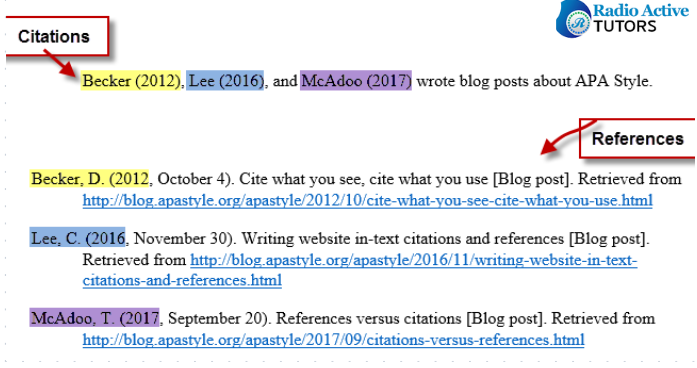
Proper citations hold paramount importance in Political Science dissertations as they serve multiple crucial purposes. Firstly, citations acknowledge and give credit to the original sources of information, ideas, or theories, ensuring academic honesty and integrity. This practice also allows readers to trace the researcher's steps, verify claims, and explore the foundational literature that informs the dissertation.
Moreover, accurate citations contribute to the credibility of the research by demonstrating a thorough engagement with existing scholarship in the field. In Political Science, where precision and accuracy are vital, proper citations enable other scholars to replicate or build upon the research. Additionally, adhering to a specific citation style (such as APA, MLA, or Chicago) ensures consistency and standardization, aligning the dissertation with established academic norms. Ultimately, proper citations not only uphold ethical standards but also play a pivotal role in establishing the legitimacy and scholarly rigor of Political Science dissertations.
B. Choosing the Right Citation Style
Choosing the right citation style is a crucial aspect of maintaining scholarly consistency and precision in Political Science dissertations. Different citation styles, such as APA, MLA, Chicago, or others, have specific guidelines for formatting references and citations. The choice of a particular style often depends on the academic conventions within the Political Science discipline or the preferences of the academic institution.
Adhering to the prescribed citation style not only ensures uniformity throughout the dissertation but also allows readers to easily locate and verify the sources referenced. It is essential for researchers to familiarize themselves with the rules of the chosen citation style and consistently apply them in order to enhance the overall professionalism and academic integrity of their work.
C. Avoiding Plagiarism and Maintaining Integrity
Avoiding plagiarism and maintaining academic integrity are paramount considerations in Political Science dissertations. Proper citations and referencing serve as a safeguard against plagiarism by acknowledging the original sources of ideas, theories, and information. Failing to attribute information to its rightful origin constitutes academic dishonesty, compromising the researcher's credibility and the scholarly integrity of the dissertation.
Political Science scholars must meticulously follow the guidelines of their chosen citation style to ensure accurate and consistent referencing throughout the document. By upholding these principles, researchers not only demonstrate ethical conduct but also contribute to the robustness and reliability of their work, fostering a culture of integrity within the academic community.

A. The Value of Peer Review
Seeking feedback and engaging in a peer review process is invaluable in the refinement of Political Science dissertations. Peer review provides an external perspective on the research, offering insights, constructive criticism, and suggestions for improvement from colleagues or experts in the field. This process helps identify areas of strength and weakness, ensuring the dissertation meets the highest academic standards.
Peers can offer valuable input on the clarity of arguments, the coherence of the structure, and the overall persuasiveness of the research. Additionally, peer review fosters a collaborative and rigorous academic environment, promoting the exchange of ideas and enhancing the quality of scholarly work. By actively seeking and incorporating feedback, researchers contribute to the continuous improvement and scholarly impact of their Political Science dissertations.
B. Working with Advisors and Professors
Collaborating with advisors and professors is a fundamental aspect of refining Political Science dissertations. Seeking feedback from experienced mentors provides invaluable insights and guidance throughout the research process. Advisors can offer constructive criticism on the clarity of arguments, methodological choices, and overall coherence of the dissertation.
Regular interactions with professors facilitate discussions about the scholarly contributions and potential areas for improvement. Their expertise not only ensures that the research meets the standards of the field but also helps align the work with the expectations of the academic community. Embracing this collaborative approach allows researchers to benefit from the wisdom and experience of their mentors, resulting in a more polished and impactful Political Science dissertation.
C. Strategies for Constructive Feedback Implementation
Implementing constructive feedback effectively is a crucial step in refining Political Science dissertations. Firstly, it's essential to approach feedback with an open and receptive mindset, considering each suggestion as an opportunity for improvement rather than criticism. Prioritize the feedback based on its relevance to the research goals and overall coherence of the dissertation. Break down larger revisions into manageable tasks, addressing each aspect systematically.
Engage in a dialogue with advisors or peers to clarify any ambiguities and ensure a shared understanding of the suggested changes. Iterative revisions, coupled with thorough explanations of how feedback has been incorporated, help demonstrate responsiveness to critiques. Finally, seek additional feedback on the revised sections to validate the effectiveness of the changes made. By strategically implementing constructive feedback, researchers enhance the quality and impact of their Political Science dissertations.

A. Accessing Academic Databases and Libraries
Accessing academic databases and libraries is a fundamental aspect of utilizing resources in Political Science dissertations. Academic databases, such as JSTOR, ProQuest, and others, provide a wealth of scholarly articles, journals, and books that are essential for conducting comprehensive literature reviews, gathering relevant data, and supporting theoretical frameworks. Libraries house a vast array of print and digital resources, offering access to books, government publications, and other specialized materials.
Researchers in Political Science should leverage these resources to stay current on existing scholarship, find empirical evidence for their studies, and explore diverse perspectives on their research topics. Efficient use of academic databases and libraries not only enriches the content of Political Science dissertations but also demonstrates a commitment to thorough research and a nuanced understanding of the field.
B. Engaging with Professors and Experts
Engaging with professors and experts is a valuable strategy in utilizing resources for Political Science dissertations. Professors in the field often possess extensive knowledge and experience, making them valuable sources of guidance and feedback. Regular consultations with professors allow researchers to refine their research questions, enhance their theoretical frameworks, and receive expert insights on methodological choices.
Additionally, seeking input from experts in specific subfields within Political Science can provide nuanced perspectives and broaden the scholarly scope of the dissertation. Establishing a dialogue with professors and experts not only strengthens the research but also fosters professional relationships that can extend beyond the dissertation, contributing to ongoing academic development and networking within the discipline.
C. Leveraging Online Platforms for Research
Leveraging online platforms is a valuable strategy for utilizing resources in Political Science dissertations. Online platforms offer access to a vast array of academic journals, articles, and research databases, allowing researchers to stay current with the latest scholarship in the field. Websites of political science associations, think tanks, and research organizations provide valuable reports, policy papers, and datasets that can enhance the empirical foundation of dissertations.
Additionally, online forums and academic networks provide opportunities for scholars to connect with peers, seek advice, and engage in discussions on relevant topics. By harnessing the power of online resources, researchers can enrich their literature reviews, access diverse perspectives, and strengthen the overall scholarly quality of their Political Science dissertations.

A. Summarizing Key Takeaways
In conclusion, successful Political Science dissertations hinge on several key factors, from the careful selection of a relevant and original topic to the meticulous crafting of a clear and concise thesis statement. The structure of the dissertation, including a captivating introduction, a well-organized main body, and an effective conclusion, ensures a coherent and impactful presentation of research. Proper citations and referencing not only uphold ethical standards but also contribute to the scholarly rigor and credibility of the work.
Seeking feedback and engaging in a peer review process, as well as collaborating with advisors and professors, play pivotal roles in refining the dissertation and enhancing its overall quality. Lastly, researchers should adeptly utilize a variety of resources, including academic databases, libraries, and online platforms, to stay informed, access valuable literature, and strengthen the empirical foundations of their dissertations. By carefully navigating these considerations, Political Science dissertations can make meaningful contributions to the field and stand as exemplars of rigorous scholarly inquiry.
B. Looking Ahead to Successful Dissertation Defense
Looking ahead to a successful Political Science dissertation defense, thorough preparation is key. Beyond mastering the content of the dissertation, anticipating potential questions, and honing presentation skills, researchers should focus on articulating the significance of their findings and defending their methodology.
Engaging with committee members and incorporating feedback received during the preparation process are critical steps. Confidence, clarity, and a deep understanding of the research contribute to a successful defense. By looking ahead with a well-prepared and confident mindset, researchers can navigate the defense process effectively and showcase the scholarly contributions of their Political Science dissertations.

Hard Binding Dissertation ( 4 Key Features)
2 year(s) ago
Psychology dissertation topics (5 Major Areas)
2 year(s) ago
Dissertation editor (5 Key Services)
2 year(s) ago
Dissertation Coaching (7 Main Benefits)
2 year(s) ago
Dissertation Acknowledgement Format ( 6 Key Tips)
2 year(s) ago
Psychology Dissertation Topics ( 7 Main Ideas)
2 year(s) ago
Dissertation Binding ( Key Tips)
2 year(s) ago
Dissertation editing services (8 Key Areas)
2 year(s) ago
Dissertation template (Student's Guide)
2 year(s) ago
How to come up with a dissertation topic (9 Key Steps)
2 year(s) ago

Radio Active Tutors is a freelance academic writing assistance company. We provide our assistance to the numerous clients looking for a professional writing service.
Need academic writing assistance ?
Order Now