Need Help ?

Home / Academic writing / Manual for Writers of Dissertation Research Papers, Theses, and Dissertations (8 Best Tips)

Manual for Writers of Dissertation Research Papers, Theses, and Dissertations (8 Best Tips)

  • |
  • SHARE

Manual for Writers of Dissertation Research Papers, Theses, and Dissertations (8 Best Tips)


1. Understanding the Requirements of your Dissertation Research

2. Choosing a Topic

3. Conducting Dissertation Research

4. Developing a Research Proposal

5. Structuring Your Dissertation Research

6. Writing and Revising

7. Adhering to Citation Guidelines

8. Finalizing Your Work


This manual serves as a guide to help you navigate the process, ensuring that Dissertation Research meets academic standards and contributes to your field of study.

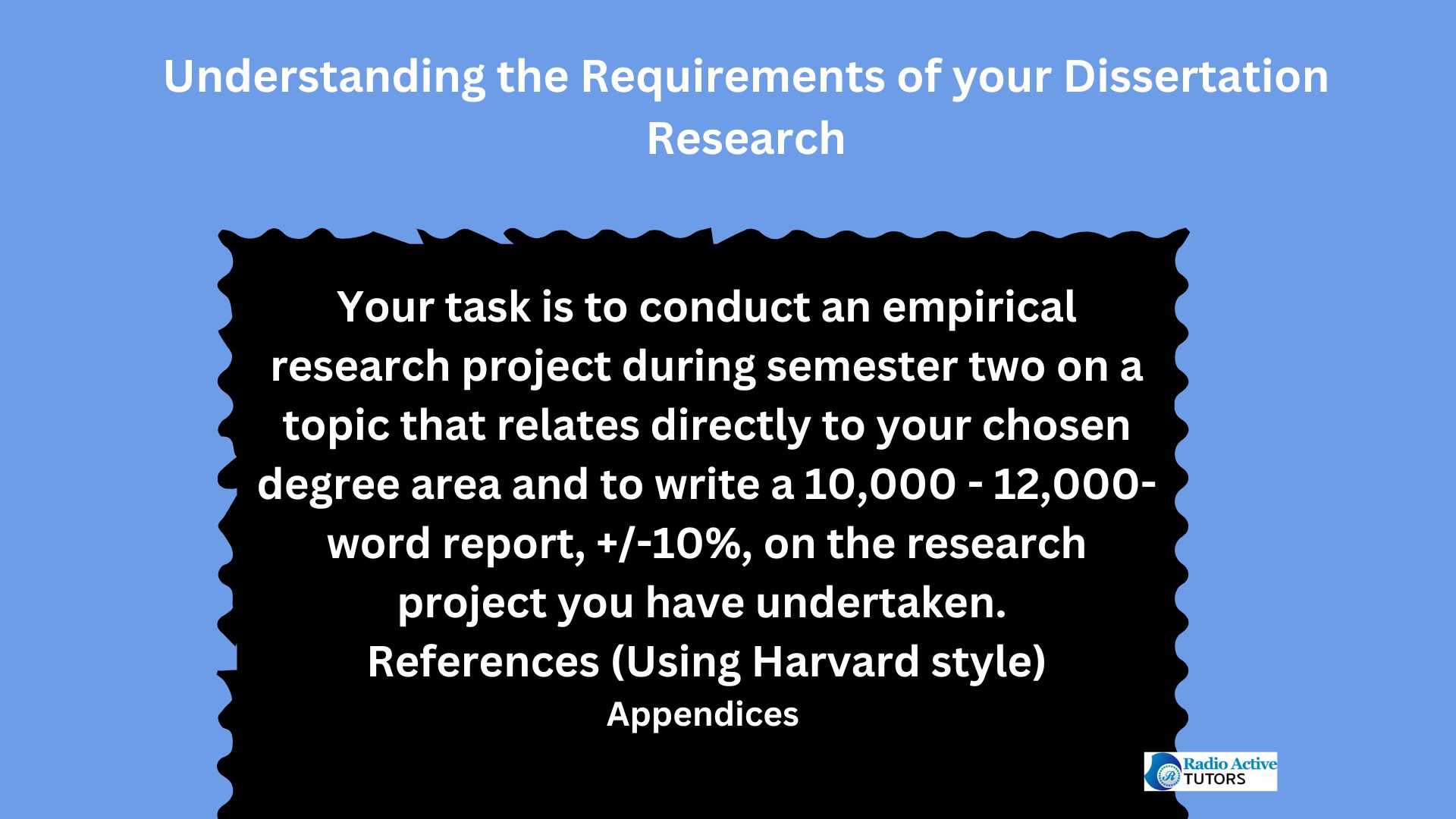
1. Understanding the Requirements of your Dissertation Research

Before starting, familiarize yourself with the specific requirements set by your institution. This includes formatting guidelines, citation style, length, and any specific content requirements. These guidelines are crucial as they determine the structure and presentation of your work.

2. Choosing a Topic

Selecting a topic is a critical first step. Choose a subject that interests you and aligns with your academic and professional goals. Ensure the topic is neither too broad nor too narrow, allowing for a comprehensive analysis while staying within the scope of your research.

3. Conducting Dissertation Research

Thorough research is the backbone of any dissertation or thesis. Begin with a literature review to understand the existing body of knowledge on your topic. Utilize academic databases, journals, books, and other credible sources. Organize your findings systematically, identifying gaps in the literature that your research will address. Read more on how to find credible sources for your research.

4. Developing a Research Proposal

Your Dissertation Research proposal outlines the objectives, methodology, and significance of your study. It serves as a blueprint for your research and must be approved by your advisor or committee. Clearly state your research questions, hypotheses, and the methods you will use to collect and analyze data.

5. Structuring Your Dissertation Research

A typical dissertation or thesis includes the following sections:

  • Title Page: Includes the title of your work, your name, institution, department, and date of submission.


  • Abstract: A concise summary of your research, including the purpose, methodology, results, and conclusions.


  • Table of Contents: Lists all the sections and sub-sections with page numbers.


  • Introduction: Introduces the topic, research questions, and objectives.


  • Literature Review: A critical analysis of existing research related to your topic.


  • Methodology: Describes the research design, data collection, and analysis methods.


  • Results: Presents the findings of your research.


  • Discussion: Interprets the results, linking them to your research questions and literature review.


  • Conclusion: Summarizes the key findings and suggests areas for future research.


  • References: A list of all the sources cited in your work.


  • Appendices: Additional material such as questionnaires, data sets, or detailed calculations.


6. Writing and Revising

Writing a Dissertation Research is a process that requires multiple drafts. Start by drafting each section separately, focusing on clarity and coherence. After completing the first draft, revise for content, structure, and language. Seek feedback from your advisor or peers and make necessary adjustments.

7. Adhering to Citation Guidelines

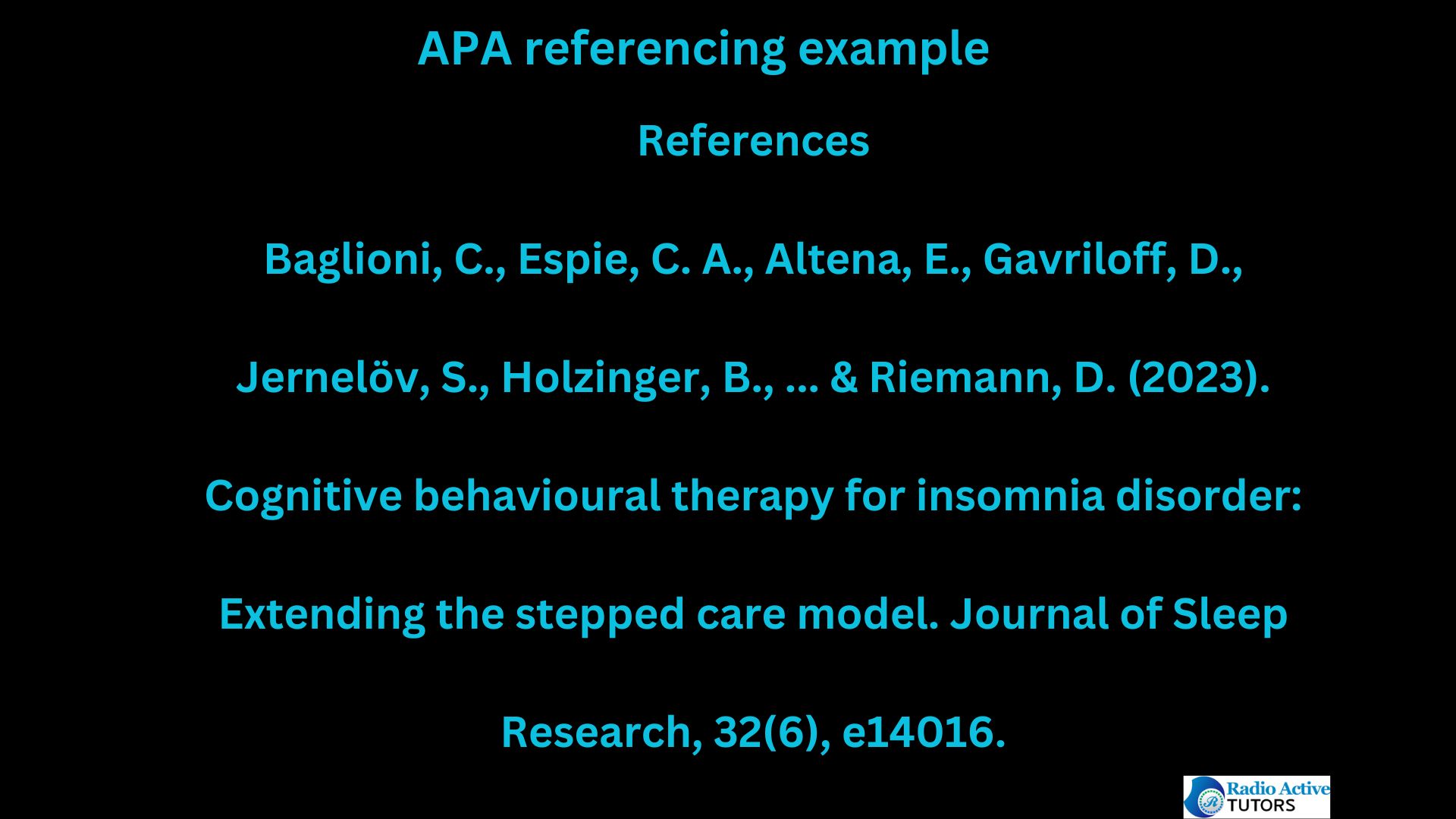
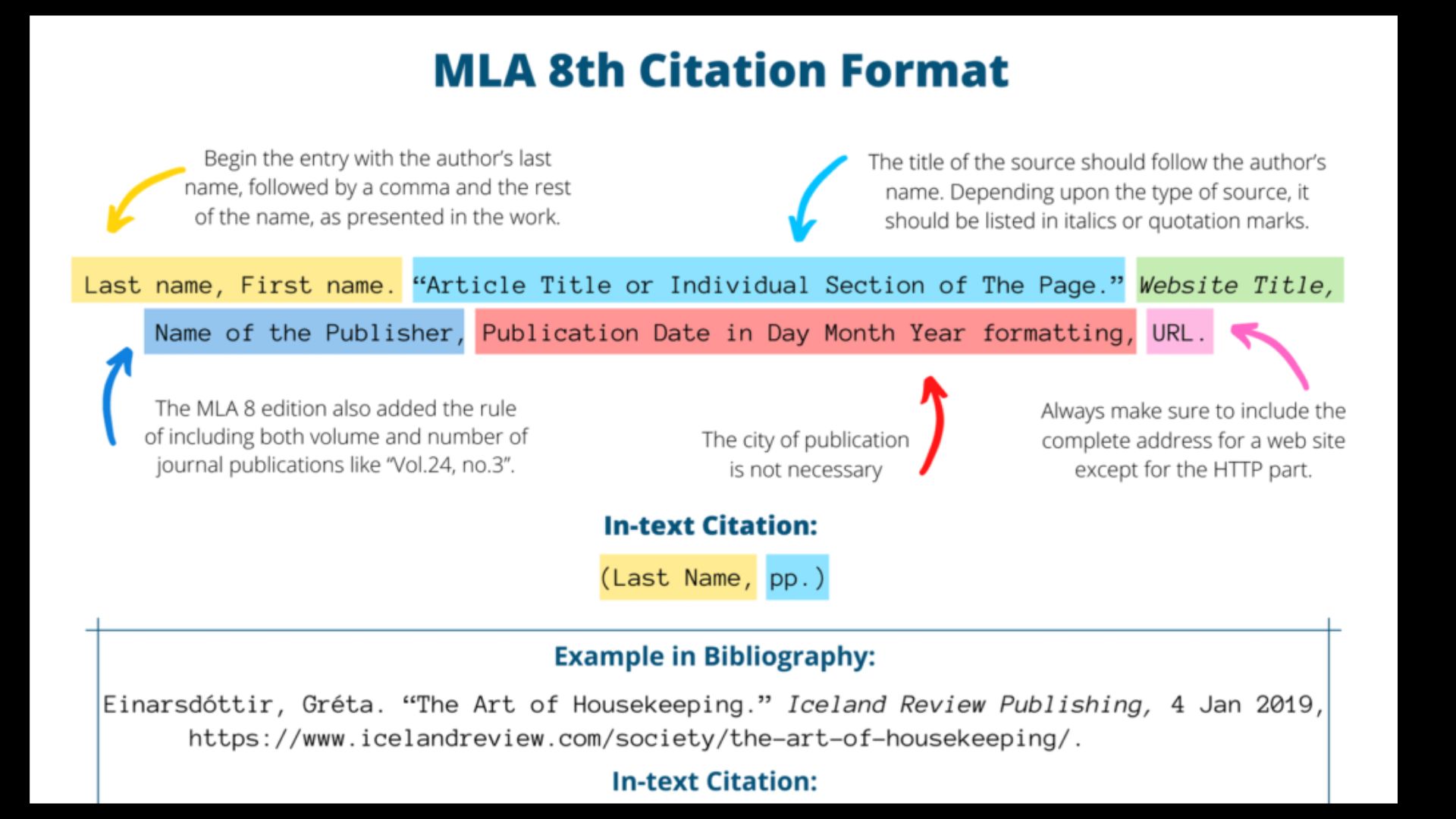
Proper citation is essential to avoid plagiarism and give credit to original authors. Use the citation style specified by your institution, such as APA, MLA, or Chicago. Ensure that all in-text citations match the references listed in your bibliography.

8. Finalizing Your Work

Before submission, carefully proofread your dissertation or thesis. Check for grammatical errors, formatting issues, and consistency in style. Ensure that all sections are complete and that your work adheres to the required guidelines.


By following this manual, you can systematically approach each step, ensuring that your final submission is of high quality and meets academic standards. Good luck with your writing!


  • SHARE

Radioactive Tutors

Radio Active Tutors is a freelance academic writing assistance company. We provide our assistance to the numerous clients looking for a professional writing service.

Need academic writing assistance ?
Order Now

Designed and developed by Brian Mubichi (mubix)
WhatsApp