Steps to Essay writing on books
1. Define Your Focus
• Literary analysis
• Comparative analysis
• Cultural impact
• Personal reflection
2. Conduct Thorough Research
• Read the texts
• Secondary sources
• Take notes
3. Create an Outline
• Introduction
• Body paragraphs
• Conclusion
4. Revising and Editing
• Review your structure
• Check for clarity and coherence
• Proofread
• Check feedback
5. Citing sources
6. Final reflections
Essay Writing on Books can be a deeply rewarding experience, allowing you to explore a text’s intricacies and its broader implications. Whether you’re analyzing literary elements, comparing texts, examining cultural impacts, or reflecting personally, a well-structured approach can help you convey your ideas clearly and effectively
Step 1# Define Your Focus
Before diving into writing, it’s crucial to establish a clear focus for your essay. This will guide your analysis and shape your arguments.
- Comparative Analysis: Here, you compare and contrast two or more texts. You might explore similarities and differences in themes, character development, or stylistic approaches. For instance, you might compare the portrayal of power in George Orwell’s 1984 and Aldous Huxley’s Brave New World.
- Cultural Impact: This focus examines how a book reflects, influences, or critiques cultural norms and societal issues. Consider how the book engages with its historical context or its impact on contemporary culture.
- Personal Reflection: Reflect on how the book resonates with you personally. What connections can you draw between the text and your own experiences or beliefs? How has the book influenced your perspective?
Step 2 # Conduct Thorough Research
Thorough research lays the groundwork for a compelling and informed essay.
- Read the Texts: Start with a close reading of the primary text. Pay attention to key passages, themes, and character developments. If you’re doing a comparative analysis, ensure you read all the texts you’ll be comparing.
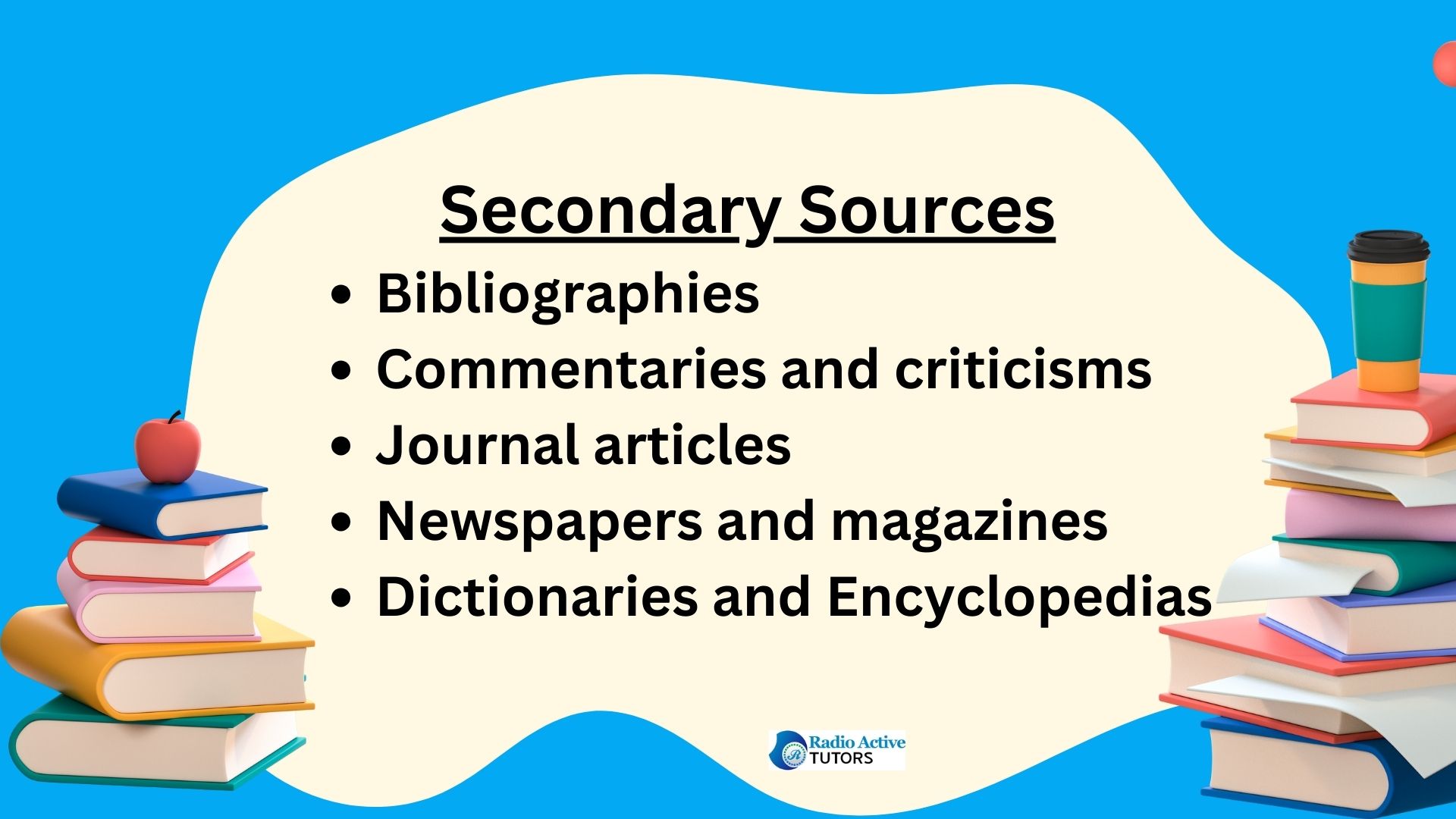
- Secondary Sources: Engage with scholarly articles, critical essays, and other relevant literature to gain various perspectives on the text. These sources can provide deeper insights and support your arguments.
- Take Notes: As you read, jot down important points, quotes, and ideas. Organize these notes by theme, character, or argument to make it easier to reference them later.
Step 3# Create an Outline
An effective outline helps structure your essay logically and cohesively.
- Introduction: Begin with a hook to grab the reader’s attention. Introduce the book and provide some context. Clearly state your thesis or the main argument of your essay.
- Body Paragraphs: Each paragraph should focus on a specific point or aspect of your analysis. Start with a topic sentence, present evidence from the text or secondary sources, and explain how it supports your thesis. For literary analysis, this might involve discussing particular themes or symbols. For comparative analysis, each paragraph might address different aspects of the texts being compared.
- Conclusion: Summarize your key points and restate the significance of your thesis. Reflect on the broader implications of your analysis and suggest any further areas of exploration or questions that remain.
Step 4# Revising and Editing
Revision and editing are critical to ensuring your essay is clear, coherent, and polished.Radioactive Tutors offers editing services to ensuring your essays meet the instructions given.
- Review Your Structure: Check that your essay flows logically and that each section transitions smoothly. Make sure your arguments are well-organized and clearly presented.
- Check for Clarity and Coherence: Ensure that your ideas are expressed clearly and that your analysis is coherent. Avoid jargon or overly complex sentences that might confuse readers.
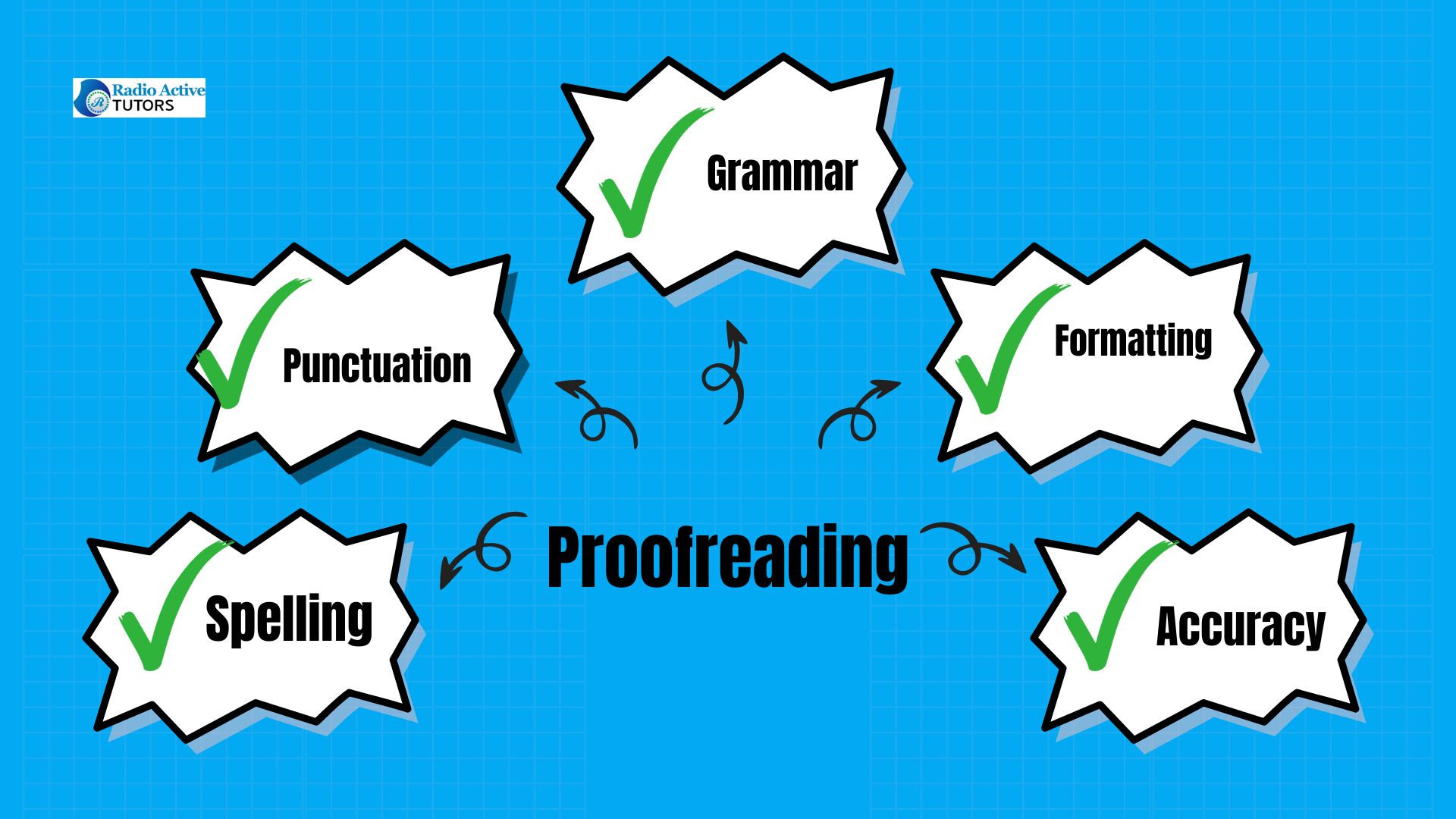
- Proofread: Carefully review your essay for spelling, grammar, and punctuation errors. Reading aloud can help you catch mistakes that you might miss when reading silently.
- Check Feedback: If possible, get feedback from peers or instructors. They can provide valuable insights and suggest improvements that you might not have considered.
Step 5# Citing Sources
Proper citation is essential to avoid plagiarism and to give credit to the original authors and researchers whose work you’ve consulted.
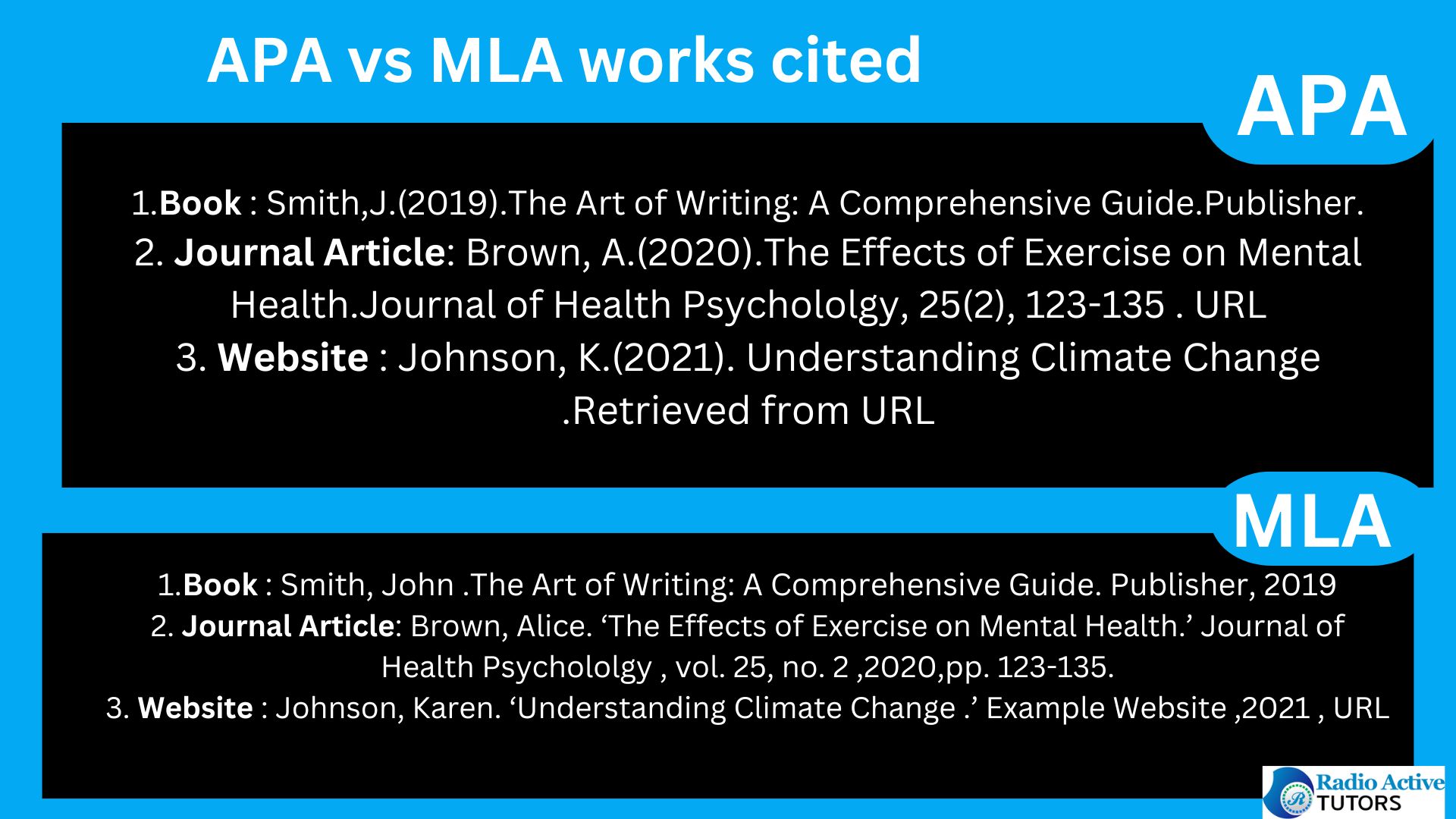
- Use the Appropriate Citation Style: Depending on your academic discipline, you may need to use MLA, APA, Chicago, or another citation style. Ensure that all quotes, paraphrases, and ideas from secondary sources are accurately cited.
- Create a Works Cited or References Page: Include a complete list of all sources you referenced in your essay. Follow the specific formatting guidelines for your chosen citation style.
Step 6# Final Reflections
Once your essay is complete, take a moment to reflect on your work.
- Evaluate Your Argument: Consider whether your thesis was effectively supported throughout your essay. Did you address counterarguments? Did you provide a balanced analysis?
- Reflect on the Writing Process: Think about what worked well and what you might improve in future essays. Reflect on how the process of writing about the book has deepened your understanding of the text.
- Consider the Impact: Think about how your essay contributes to the broader discussion about the book. What new insights or perspectives have you provided? How might your analysis influence readers’ interpretations of the text?
In conclusion, writing an essay on books involves a thoughtful and structured approach. By defining your focus, conducting thorough research, creating a detailed outline, revising and editing meticulously, citing sources properly, and reflecting on your work, you can produce an insightful and engaging analysis.