Need Help ?

Home / Academic writing / Dissertation Editing (14 Best Hacks)

Dissertation Editing (14 Best Hacks)

  • |
  • SHARE

Dissertation Editing (14 Best Hacks)

1. Start Anew

2. Plan Ahead

3. Prioritize

4. Verify

5. Take Breaks

6. Read Aloud

7. Review Feedback

8. Reorganize

9. Utilize Tools

10. Format Properly

11. Include Necessary Sections

12. Check Spelling and Grammar

13. Title and Label

14. Cite Sources


1. Start Anew

Begin the dissertation editing process with a fresh perspective to reassess your work with new eyes.

This approach can help uncover issues or inconsistencies that may have been missed initially.

A clean start is crucial for making thorough and effective revisions. Get professional help in editing your dissertation from Radio Active Tutors!

2. Plan Ahead

Formulate a detailed dissertation editing plan to navigate your revisions.

Outline specific objectives, set deadlines for each editing stage, and pinpoint areas needing improvement.

A strategic plan aids in managing time effectively and ensures all parts of your dissertation are addressed.

3. Prioritize

Focus on improving the overall clarity and coherence of your dissertation writing.

Ensure that your arguments are logically structured and that each section flows naturally into the next.

Enhanced clarity and coherence will make your dissertation more accessible and compelling.

4. Verify

Scrutinize all citations and references for accuracy and uniformity.

Ensure that each source is correctly cited according to the required style guide and that in-text citations match the reference list.

Accurate referencing is essential for maintaining scholarly integrity.

5. Take Breaks

Regularly step away from your work to stay focused and avoid fatigue.

Taking breaks allows you to return to your dissertation editing tasks with renewed clarity and perspective, which can improve the effectiveness of your revisions.

6. Read Aloud

Enhance your manuscript’s clarity by reading it aloud.

This practice helps identify awkward sentences, repetitive phrases, or complex structures that may not be as apparent when reading silently.

Hearing the text can reveal areas needing adjustment.

7. Review Feedback

Incorporate the feedback and suggestions from your dissertation committee.

Their input can highlight areas that require further development or clarification.

Addressing their feedback thoroughly can refine your dissertation and address any potential shortcomings.

8. Reorganize

Reevaluate the structure of your manuscript.

Ensure that chapters and sections are arranged in a logical order and that the overall organization supports the flow of your arguments.

Reorganizing may involve adjusting the arrangement to improve readability and coherence.

9. Utilize Tools

Use available editing tools and resources to assist with the revision process.

Grammar checkers, citation managers, and formatting software can help identify errors and streamline editing tasks.

These tools can complement your manual editing efforts.

10. Format Properly

Adhere to the specific formatting guidelines provided for your dissertation.

This includes aspects such as font size, margins, and heading styles.

Proper formatting is essential for meeting institutional requirements and presenting your work professionally.

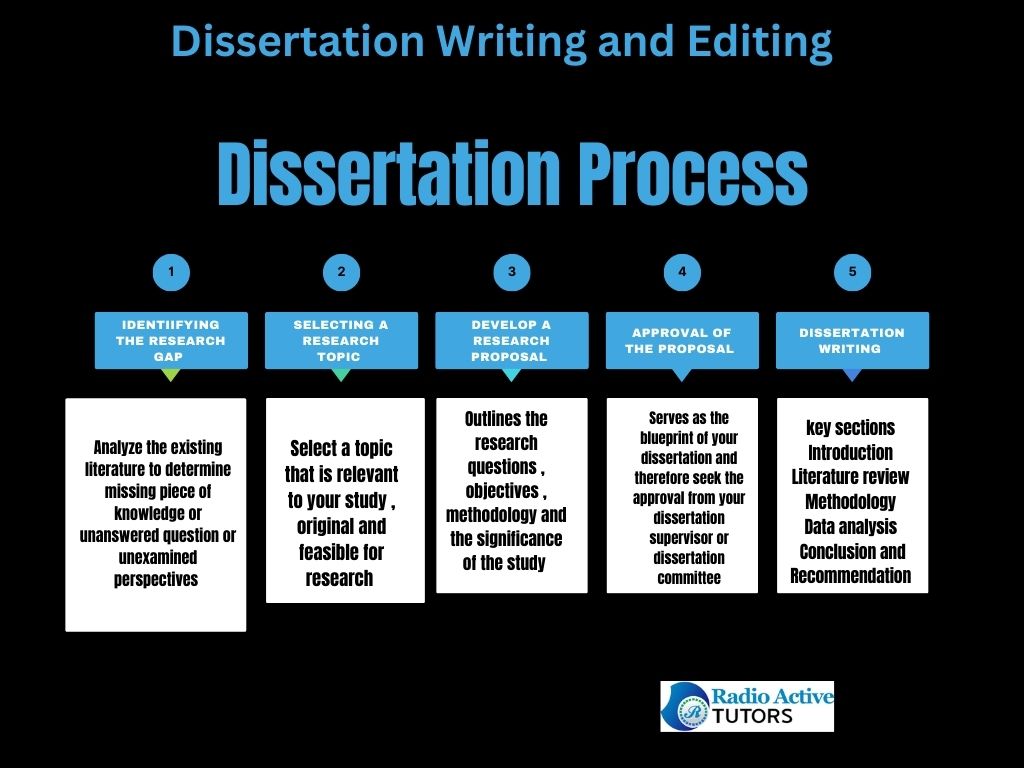
11. Include Necessary Sections

Verify that all required sections are present and correctly organized.

Standard sections may include the introduction, literature review, methodology, results, discussion, and conclusion.

Each section should be properly structured to fulfill its role in the dissertation.

12. Check Spelling and Grammar

Thoroughly proofread your dissertation to correct any spelling and grammatical errors.

Typos and mistakes can detract from the professionalism of your work and potentially obscure your arguments.

A careful review ensures a polished, error-free document.

13. Title and Label

Ensure that all elements of your dissertation are appropriately titled and labeled.

This includes headings, subheadings, tables, figures, and appendices.

Clear and descriptive titles help readers navigate and understand the content of each part of your work.

14. Cite Sources

Ensure that all sources of information are accurately referenced and cited throughout your dissertation.

Proper citation is crucial for acknowledging the original authors and supporting the credibility of your research.

Adhering to citation standards is fundamental for academic integrity. Learn how to use a citation generator here!


  • SHARE

Radioactive Tutors

Radio Active Tutors is a freelance academic writing assistance company. We provide our assistance to the numerous clients looking for a professional writing service.

Need academic writing assistance ?
Order Now

Designed and developed by Brian Mubichi (mubix)
WhatsApp