Need Help ?

Home / Academic writing / Creative Writing Essays (Student's Guide)

Creative Writing Essays (Student's Guide)

  • |
  • SHARE

Creative Writing Essays (Student's Guide)

I. Crafting a Creative Writing Essay

  • Choose a Compelling Topic
  • Brainstorm and Outline
  • Write a Captivating Introduction
  • Develop the Body
  • Conclude Effectively
  • Revise and Edit

II. Writing Techniques for Creative Writing Essays

  • Attention-Grabbing Opening
  • Show, Don’t Tell
  • Use of Dialogue
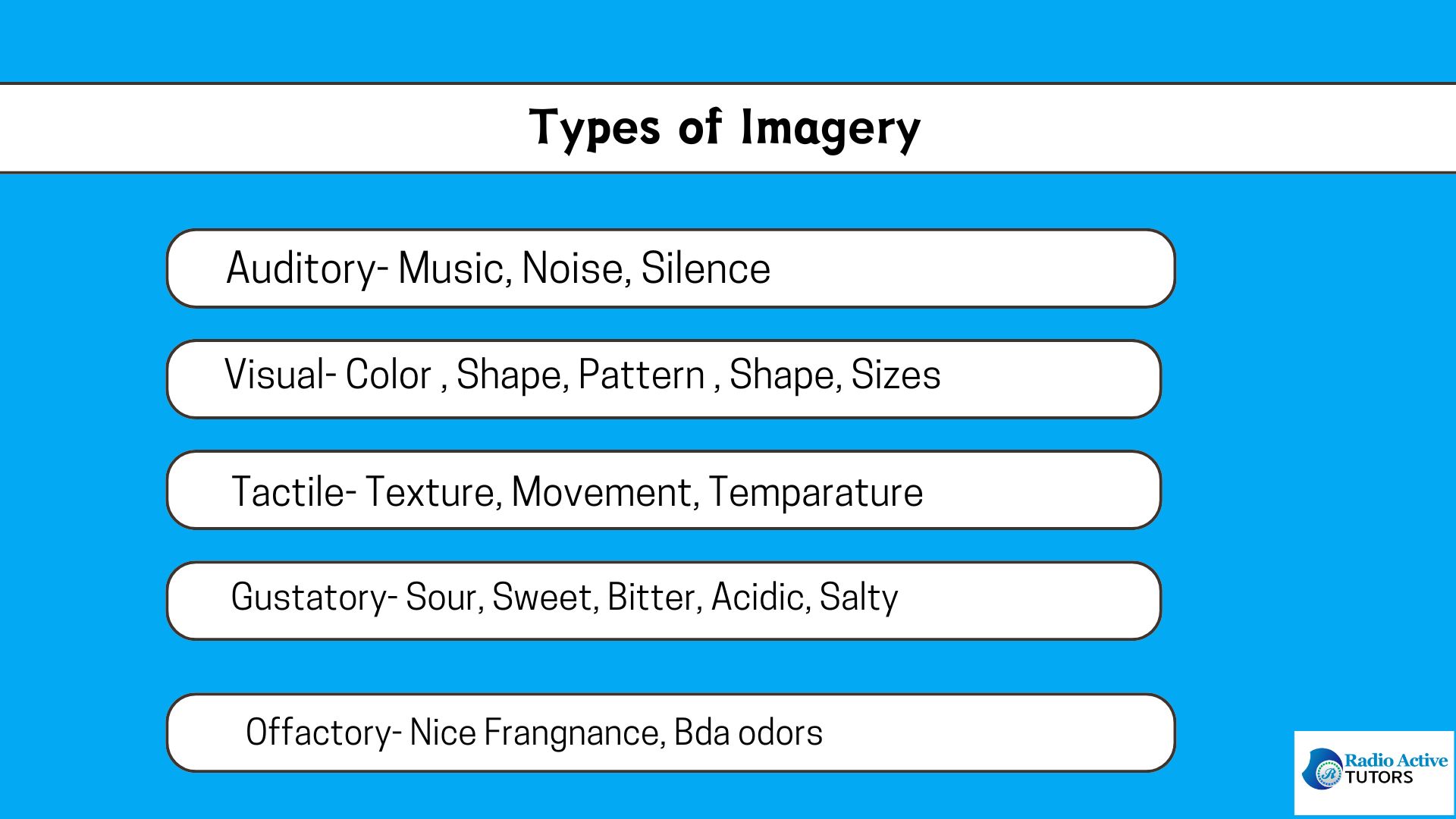
  • Imagery and Figurative Language
  • Pacing and Structure
  • Voice and Style


Creative writing is a powerful form of expression that allows writers to explore their imaginations and convey their ideas in innovative ways.

I. Crafting a Creative Writing Essay

When writing a creative writing essay, it’s important to balance creativity with coherence. Here’s a step-by-step guide to help high school students create compelling creative writing essays:

  •  Choose a Compelling Topic

Select a topic that interests you and provides room for creative exploration. Get expert help in choosing a topic from Radio Active Tutors!

Whether it’s a personal experience, a fictional scenario, or a blend of reality and imagination, ensure that the topic inspires you and allows for rich storytelling.

  • Brainstorm and Outline

Before diving into writing, brainstorm ideas and create an outline.

This can help organize your thoughts and ensure that your essay has a clear direction.

Outline the main points of your narrative, including key events, descriptions, and dialogue.

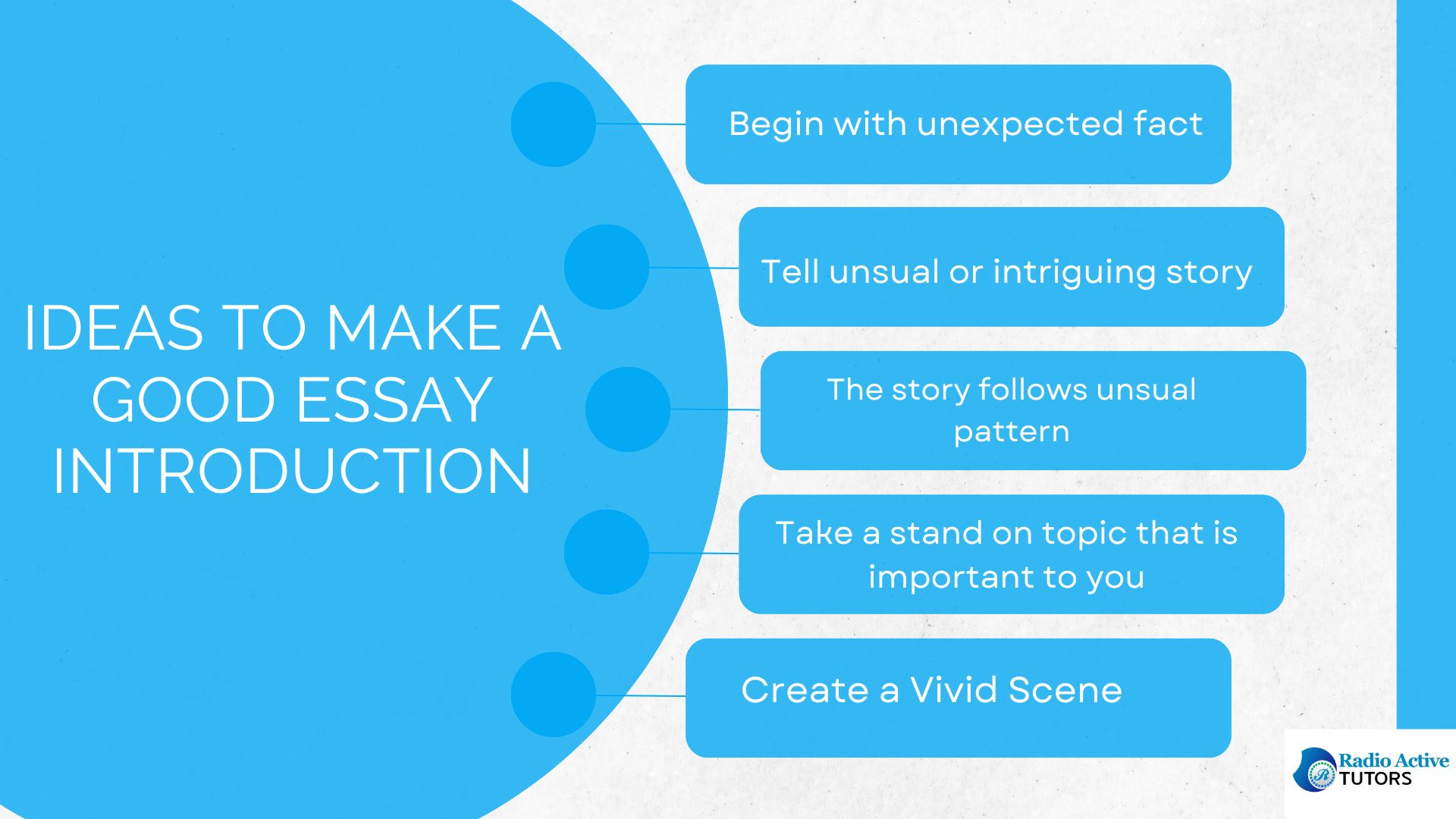
  •  Write a Captivating Introduction

Start with an engaging introduction that sets the stage for your essay.

Use descriptive language or a gripping anecdote to draw readers in.

Make sure to introduce the main characters, setting, and initial conflict or theme.

  •  Develop the Body

In the body of your essay, focus on developing your narrative, descriptions, or reflections.

Use vivid imagery, well-crafted dialogue, and engaging plot elements to captivate your readers.

Ensure that each paragraph contributes to the overall story or theme. Study more on writing paragraphs for your essay here!

  • Conclude Effectively

End your essay with a strong conclusion that ties together the main points or reflections.

Reflect on the significance of the story or experience, and leave the reader with a lasting impression.

A powerful conclusion reinforces the impact of your essay and provides closure.

  • Revise and Edit

After completing your first draft, revise and edit your essay for clarity, coherence, and creativity.

Look for areas where you can enhance descriptions, improve dialogue, or tighten the narrative.

Editing is crucial to ensure that your creative writing essay is polished and effective. Explore Radio Active Tutors for proffesional assistance in crafting your essay.

II. Writing Techniques for Creative Writing Essays

To craft engaging creative writing essays, high school students should employ various writing techniques that enhance their storytelling and expression. Here are some essential techniques to consider:

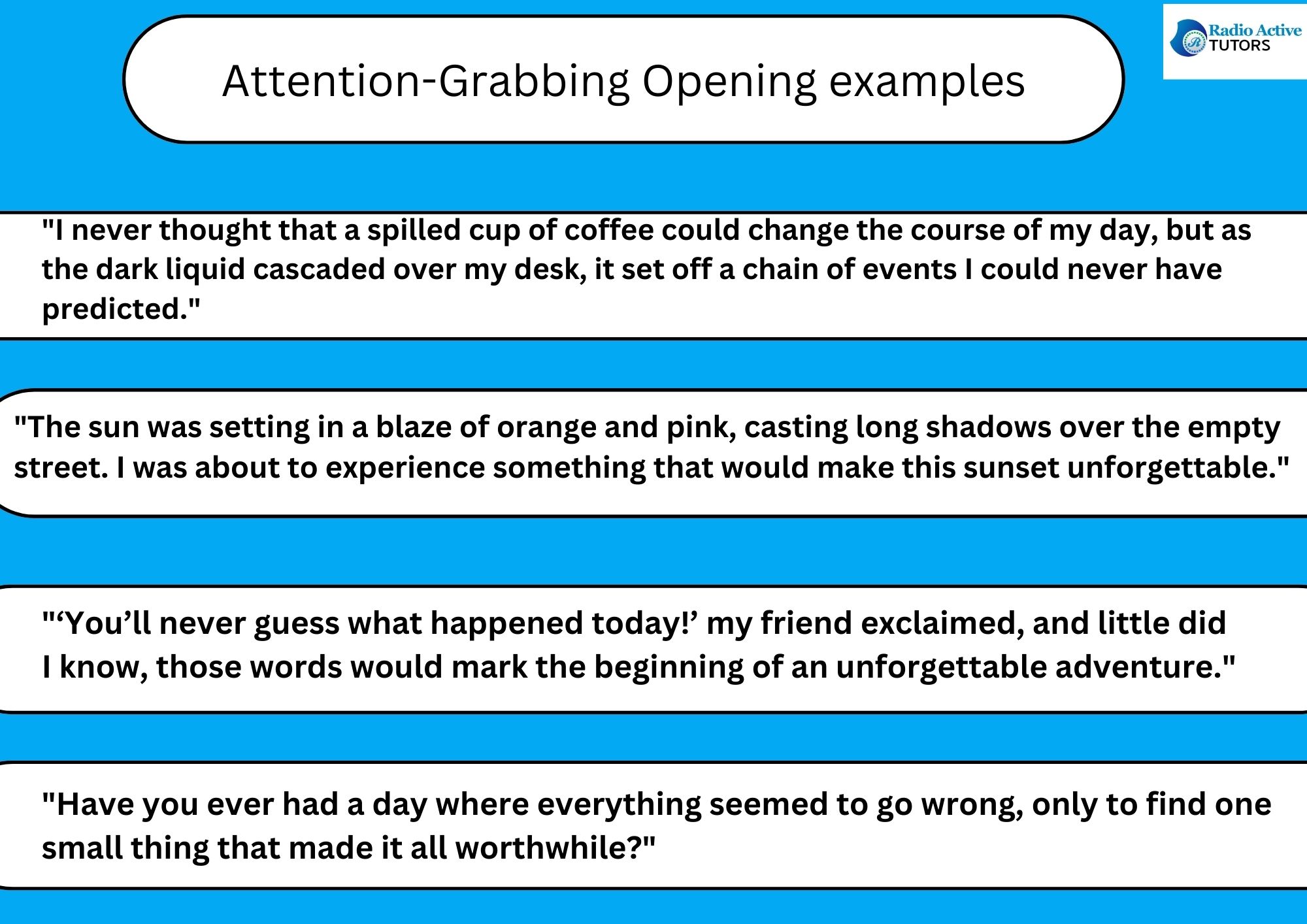
  • Attention-Grabbing Opening

An effective creative writing essay starts with an attention-grabbing opening.

This could be a compelling anecdote, a vivid description, or a provocative question.

The opening sets the tone for the essay and draws readers in, making them eager to continue reading.

  • Show, Don’t Tell

One of the most important principles in creative writing is “show, don’t tell.”

Instead of simply stating facts or emotions, writers should use descriptive language and sensory details to paint a picture for the reader.

For example, instead of saying “She was nervous,” describe her trembling hands, quickened breath, and the way her heart raced.

  • Use of Dialogue

Incorporating dialogue can bring characters to life and make narratives more dynamic.

Dialogue adds realism and can help to reveal character traits, advance the plot, and create tension.

When writing dialogue, ensure that it sounds natural and serves a purpose in the story.

  • Imagery and Figurative Language

Imagery and figurative language, such as metaphors, similes, and personification, enhance the descriptive quality of creative writing essays.

These literary devices help to create vivid images and convey complex emotions in a more engaging way.

For instance, describing a sunset as “a fiery painting spilling across the sky” evokes a stronger visual image than simply stating “the sunset was beautiful.”

  • Pacing and Structure

The pacing of a creative writing essay affects how the story unfolds and how the reader experiences it.

Varying the pace—through short, punchy sentences or longer, descriptive passages—can create tension, build suspense, or highlight important moments.

Additionally, organizing the essay with a clear structure (beginning, middle, end) helps to guide the reader through the narrative.

  •   Voice and Style

Developing a unique voice and style is crucial in creative writing.

Your voice reflects your personality and perspective, while your style encompasses the way you use language, tone, and structure.

Experimenting with different styles and finding your own voice can make your writing more distinctive and engaging.

Conclusion

Creative writing essays offer students a unique opportunity to explore their creativity and develop their writing skills.

Balancing creativity with coherence, practicing regularly, and seeking feedback will further enhance their writing abilities.


  • SHARE

Radioactive Tutors

Radio Active Tutors is a freelance academic writing assistance company. We provide our assistance to the numerous clients looking for a professional writing service.

Need academic writing assistance ?
Order Now

Designed and developed by Brian Mubichi (mubix)
WhatsApp