New Order Found Please Review the order ASAP for the client to
proceed

Unread Message Found Please check the message ASAP and reply to client

I. Introduction to Psychology Dissertations
II. Choosing a Topic for Psychology Dissertations
III. Formulating a Strong Thesis Statement for Psychology Dissertations
IV. Psychology Dissertations' Literature Review
V. Methodology for Psychology Dissertations
VI. Ethical Considerations in Psychology Dissertations
VII. Data Analysis for Psychology Dissertations
VIII. Results in Psychology Dissertations
IX. Discussion in Psychology Dissertations
X. Conclusion
XI. Writing Style and Formatting
XII. Proofreading and Editing
A. Importance of a well-crafted psychology dissertation
Crafting psychology dissertations is a meticulous and crucial process, given the profound importance of a well-crafted document in this field. These dissertations serve as the culmination of extensive research and academic exploration, offering students the opportunity to delve deep into psychological theories, methodologies, and empirical studies.
A meticulously crafted psychology dissertation not only demonstrates a student's mastery of the subject but also contributes significantly to the broader academic discourse in psychology.
Beyond the academic realm, a well-constructed dissertation lays the foundation for future research and advancements within the field, showcasing the scholar's analytical prowess, critical thinking, and the ability to contribute meaningfully to the evolving landscape of psychological studies. In essence, the significance of a well-crafted psychology dissertation extends far beyond the academic realm, shaping the narrative and progression of psychological knowledge.
B. Overview of the crafting process
The crafting process of psychology dissertations involves a systematic and thoughtful approach to ensure the production of a comprehensive and insightful scholarly work. Initiating with the selection of a pertinent research topic, students navigate through an extensive literature review to establish a foundation for their study. Subsequently, the crafting process delves into the formulation of research questions, hypotheses, and the meticulous design of empirical studies or experiments.
Data collection and analysis follow, employing rigorous methodologies to draw meaningful conclusions. The composition of a well-structured dissertation involves the synthesis of findings, interpretation of results, and a discussion of their implications within the broader context of psychological research. Through this detailed crafting process, students not only showcase their academic acumen but also contribute to the evolving body of knowledge in psychology. Overall, the crafting of psychology dissertations is a journey marked by scholarly rigor, intellectual exploration, and a commitment to advancing our understanding of the human mind and behavior.
C. Setting the stage for success
Setting the stage for success in crafting psychology dissertations involves a strategic and purposeful approach. The initial step is the careful selection of a research topic that aligns with both personal interest and the broader landscape of psychological inquiry. A thorough literature review follows, laying the groundwork for identifying gaps in existing knowledge. Crafting clear and focused research questions or hypotheses comes next, guiding the subsequent methodology and study design.
Successful dissertations often incorporate robust data collection methods, precise analysis, and a thoughtful interpretation of results. As students navigate this intricate process, seeking guidance from mentors and peers proves invaluable. Attention to detail in structuring the dissertation, along with effective communication of findings, enhances the overall impact of the research. By setting the stage with a well-defined roadmap and a commitment to scholarly rigor, aspiring psychologists can embark on a journey that not only fulfills academic requirements but also contributes meaningfully to the field of psychology.

A. Identifying personal interests and expertise
Choosing a topic for psychology dissertations begins with the crucial task of identifying personal interests and areas of expertise. It is paramount that students select a subject that resonates with their passion and curiosity within the vast realm of psychology. By aligning the dissertation topic with their own interests, students are more likely to remain engaged and motivated throughout the research and writing process.
Moreover, drawing on personal expertise enhances the depth and authenticity of the study, allowing for a more nuanced exploration of the chosen subject matter. This personalized approach not only contributes to a more meaningful academic experience but also fosters a genuine connection between the researcher and the chosen topic, laying the foundation for a successful and fulfilling dissertation journey in the field of psychology.
B. Researching current trends and gaps in the field
Choosing a topic for psychology dissertations involves a comprehensive exploration of current trends and gaps within the field. Students are encouraged to immerse themselves in the latest literature, research publications, and ongoing discussions to identify areas where knowledge is evolving or where there are unexplored facets. By researching current trends, students can contribute to the cutting edge of psychological inquiry, ensuring that their dissertations are both relevant and impactful.
Simultaneously, a keen awareness of gaps in existing research allows for the formulation of questions that contribute meaningfully to the field's development. This approach ensures that the chosen topic not only aligns with the broader discourse in psychology but also presents an opportunity for students to make valuable and original contributions to the ever-expanding body of psychological knowledge.
C. Considering the significance and relevance of the topic
Selecting a topic for psychology dissertations involves a thoughtful consideration of its significance and relevance to the broader field of psychology. The chosen topic should address questions or issues that hold importance within contemporary psychological discourse. Understanding the potential impact of the research on both academic and practical levels is crucial.
A significant topic not only contributes to the advancement of psychological knowledge but also has implications for real-world applications and interventions. By weighing the relevance of the chosen topic, students ensure that their dissertations resonate with the current needs and challenges faced by the discipline. This approach not only adds value to the academic community but also underscores the practical applicability of the research, fostering a holistic and meaningful contribution to the field of psychology.

A. Defining the research question
Formulating a strong thesis statement for psychology dissertations begins with a meticulous process of defining the research question. The thesis statement serves as the compass that guides the entire study, making it imperative to craft a precise and clear research question. This question should encapsulate the essence of the research, articulating the specific aspect of psychology under investigation.
By honing in on a well-defined research question, students lay the foundation for a focused and purposeful dissertation. The clarity in the thesis statement not only guides the subsequent stages of the research but also communicates the study's intent to readers, fostering a comprehensive understanding of the inquiry's scope and objectives within the realm of psychological exploration.
B. Crafting a clear and concise thesis
Crafting a strong thesis statement for psychology dissertations involves the art of precision and clarity. A well-crafted thesis serves as the cornerstone of the entire research endeavor, succinctly summarizing the main argument or purpose of the study. It is essential to distill complex psychological concepts into a clear and concise statement that encapsulates the researcher's focus and intent.
A clear thesis not only provides a roadmap for the study but also facilitates a better understanding for readers and evaluators. By articulating the core message succinctly, the researcher ensures that the thesis statement serves as a beacon, guiding both the investigation and the audience through the intricate landscape of psychological inquiry with precision and purpose.
C. Ensuring the thesis aligns with the chosen topic
Ensuring a strong thesis statement for psychology dissertations involves a crucial alignment with the chosen topic. The thesis serves as the focal point of the entire research endeavor, and its synergy with the selected subject matter is paramount. A well-formulated thesis not only captures the essence of the research question but also reflects a harmonious connection to the broader theme within psychology.
This alignment ensures that the thesis statement is not only relevant but also capable of guiding a comprehensive exploration of the chosen topic. By establishing this cohesion, researchers can navigate the complexities of psychological inquiry with clarity and purpose, allowing the thesis statement to effectively anchor and unify the various components of the dissertation.

A. Summarizing existing research on the chosen topic
In the literature review section of psychology dissertations, the focus is on summarizing existing research relevant to the chosen topic. This critical component involves a comprehensive examination of scholarly works, studies, and theories that form the foundation of the research area. By synthesizing and summarizing the existing body of knowledge, researchers provide context for their own study, highlighting gaps, trends, and key findings in the field of psychology.
The literature review serves as a roadmap, guiding readers through the evolution of thought and research on the selected topic, ultimately positioning the current study within the broader landscape of psychological inquiry. This synthesis not only demonstrates the researcher's familiarity with existing literature but also sets the stage for the original contributions and insights the dissertation aims to bring to the field of psychology.
B. Analyzing and synthesizing key findings
Within the literature review section of psychology dissertations, a crucial aspect is the analytical and synthesizing process of key findings from existing research. This involves a meticulous examination of diverse studies and scholarly works related to the chosen topic in psychology. Researchers delve into the methodologies, results, and interpretations of these studies, identifying common themes, contradictions, and gaps in the literature.
By synthesizing these key findings, the literature review not only highlights the current state of knowledge but also provides a nuanced understanding of the complexities and nuances within the chosen psychological domain. This analytical approach enables researchers to build a conceptual framework, connecting disparate pieces of research into a cohesive narrative that informs and contextualizes their own study.
In essence, the literature review becomes a dynamic synthesis, laying the groundwork for the dissertation's unique contribution to the field of psychology.
C. Identifying gaps and areas for further exploration
In the literature review section of psychology dissertations, a pivotal aspect is the identification of gaps and areas for further exploration within the existing body of research. Researchers scrutinize the literature to discern where knowledge may be incomplete, conflicting, or insufficient. By pinpointing these gaps, the literature review not only adds a critical dimension to the study but also sets the stage for the dissertation's unique contribution to the field of psychology.
This process involves a discerning evaluation of methodologies, theoretical frameworks, and empirical findings, allowing researchers to propose avenues for future investigation and suggesting how their own research can address these gaps. Ultimately, this proactive engagement with the existing literature positions the dissertation as an integral part of the ongoing dialogue within the discipline, fostering a sense of scholarly continuity and progression in the realm of psychological inquiry.

A. Choosing the appropriate research design
In the methodology section of psychology dissertations, a pivotal decision involves choosing the appropriate research design. Researchers meticulously consider various research designs, such as experimental, correlational, or qualitative approaches, depending on the nature of the research question and the goals of the study. The chosen design serves as the blueprint for how data will be collected, analyzed, and interpreted.
Careful consideration of factors like sample size, participant characteristics, and ethical considerations is crucial at this stage. The selected research design not only reflects the rigor and validity of the study but also aligns with the unique demands of the psychological inquiry at hand. This strategic decision in the methodology lays the foundation for a robust and credible research process, ensuring that the study unfolds with methodological precision and contributes meaningfully to the broader field of psychology.
B. Selecting the sample and recruitment process
In the methodology section of psychology dissertations, a critical step involves selecting the sample and outlining the recruitment process. Researchers must make thoughtful decisions regarding the demographics, characteristics, and size of the sample, ensuring its relevance to the research question and the generalizability of findings.
The recruitment process, whether through random sampling, stratified sampling, or other methods, is detailed to provide transparency and replicability. Clear criteria for participant inclusion and exclusion are established, and ethical considerations are paramount in safeguarding participants' rights and well-being. The meticulous selection of a representative sample and a transparent recruitment process enhances the internal and external validity of the study, contributing to the overall robustness and credibility of the psychological research being conducted.
C. Detailing data collection methods and tools
In the methodology section of psychology dissertations, a crucial aspect is detailing the data collection methods and tools employed in the research. Researchers meticulously outline how they gather information to address the research question, whether through surveys, experiments, interviews, observations, or a combination of methods.
The description includes the development or selection of tools such as questionnaires, scales, or experimental protocols, emphasizing their reliability and validity. Additionally, researchers elucidate the procedures for data collection, ensuring clarity and replicability for future studies. This transparency in detailing data collection methods and tools not only fortifies the study's credibility but also offers insights into the rigor and precision employed in capturing the nuances of psychological phenomena under investigation.
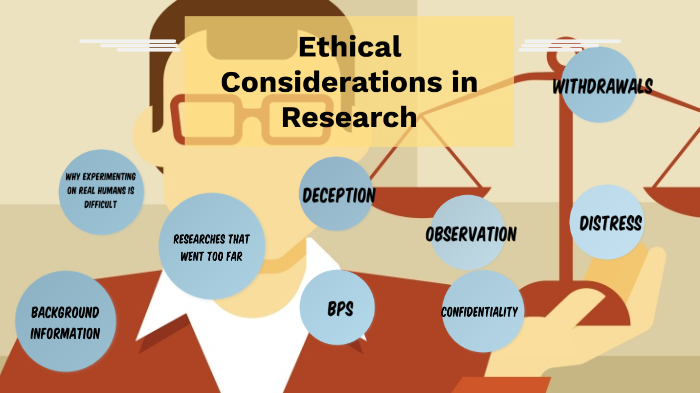
A. Addressing potential ethical issues in research
In the realm of psychology dissertations, a paramount concern is addressing potential ethical issues in research. Researchers undertake a conscientious examination of their study to identify and mitigate any potential harm or discomfort to participants. This involves ensuring informed consent, safeguarding confidentiality, and respecting the autonomy and dignity of individuals involved.
Ethical considerations also extend to the dissemination of findings, emphasizing transparency and honesty in reporting results. By addressing potential ethical challenges, psychologists not only uphold the ethical standards of their profession but also contribute to the trustworthiness and integrity of the broader field. This commitment to ethical research practices ensures that the pursuit of knowledge in psychology is conducted with utmost respect for the well-being and rights of all involved parties.
B. Obtaining informed consent
A cornerstone of ethical considerations in psychology dissertations is the meticulous process of obtaining informed consent. Researchers prioritize transparency and open communication, ensuring that participants fully comprehend the purpose, procedures, and potential risks and benefits of the study before voluntarily agreeing to participate.
This commitment to informed consent upholds the fundamental principle of respect for individuals' autonomy, allowing them to make well-informed decisions about their involvement in the research. The consent process is not just a procedural formality; it is a crucial ethical safeguard that fosters trust and integrity in psychological research. By prioritizing informed consent, psychologists uphold ethical standards, recognizing the dignity and rights of participants throughout the course of the dissertation study.
C. Ensuring participant confidentiality and privacy
Ethical considerations in psychology dissertations encompass a steadfast commitment to ensuring participant confidentiality and privacy. Researchers recognize the sensitivity of the information gathered during studies and take deliberate measures to safeguard the identity and personal details of participants.
This involves employing secure data storage methods, using anonymized identifiers, and presenting findings in a way that prevents the identification of individual participants. By prioritizing confidentiality and privacy, psychologists not only adhere to ethical guidelines but also cultivate an environment of trust. This ethical safeguard not only protects participants from potential harm but also contributes to the credibility and integrity of the research, fostering a responsible and respectful approach to psychological inquiry.

A. Choosing the right statistical or qualitative methods
In the realm of psychology dissertations, the stage of data analysis is pivotal, requiring researchers to make informed decisions about the appropriate statistical or qualitative methods. Depending on the nature of the research question and the type of data collected, researchers meticulously select statistical techniques such as regression analysis, ANOVA, or qualitative methods like thematic analysis or content analysis.
This decision ensures that the analysis aligns with the specific objectives of the study, allowing for meaningful interpretation and insights into the psychological phenomena under investigation. The careful choice of data analysis methods not only enhances the validity and reliability of the study but also contributes to the overall rigor and credibility of the research within the dynamic landscape of psychological inquiry.
B. Implementing the analysis process
The implementation of the analysis process is a critical phase in psychology dissertations, where researchers translate collected data into meaningful insights. This stage involves applying the chosen statistical or qualitative methods systematically and rigorously. For quantitative studies, this may entail using statistical software to perform analyses like regression or factor analysis. In qualitative research, researchers immerse themselves in the data, coding and categorizing to identify emerging themes.
The implementation phase demands precision, attention to detail, and adherence to the chosen methodology. The goal is to uncover patterns, relationships, or themes that address the research question, ultimately contributing to the depth and richness of the dissertation's findings. A meticulous and well-executed analysis process ensures that the study's conclusions are robust, reliable, and offer valuable contributions to the broader field of psychology.
C. Interpreting and presenting results effectively
Interpreting and presenting results effectively is the culminating phase in data analysis for psychology dissertations. Researchers delve into the implications of their findings, connecting them back to the research question and relevant theoretical frameworks. This process involves a comprehensive understanding of statistical or qualitative outcomes, identifying patterns, trends, or relationships in the data.
Clear and concise interpretation is essential, ensuring that the significance of the results is communicated accurately. The presentation of results demands a thoughtful approach, with the use of tables, graphs, or narrative summaries to convey the key findings. Effective interpretation and presentation not only contribute to the overall clarity of the dissertation but also facilitate the dissemination of valuable insights within the academic community and beyond, solidifying the impact of the research in the field of psychology.

A. Reporting findings accurately
In psychology dissertations, the results section plays a crucial role in reporting findings accurately. This phase involves presenting the outcomes of data analysis with precision and clarity. Researchers strive to transparently convey the statistical or qualitative results, providing readers with a comprehensive understanding of the study's outcomes.
Accurate reporting not only involves presenting significant findings but also acknowledging non-significant results and potential limitations. Through meticulous and unbiased reporting, psychologists ensure the integrity of their research, contributing to the cumulative knowledge within the discipline. This commitment to accuracy enhances the reliability of the dissertation's outcomes, fostering a robust foundation for subsequent research and discussions in the dynamic field of psychology.
B. Using tables, charts, and graphs for clarity
In the data analysis phase of psychology dissertations, the strategic use of tables, charts, and graphs is paramount for clarity and effective communication of results. Researchers employ these visual aids to encapsulate complex data sets, trends, or statistical relationships, enhancing the accessibility of findings for readers.
Well-designed tables can succinctly present numerical information, while charts and graphs offer visual representations that facilitate a quick understanding of patterns. This visual approach not only adds clarity to the results but also engages readers by providing a dynamic and accessible representation of the research outcomes. By thoughtfully incorporating these visual elements, psychologists ensure that the richness of their data is not only accurately conveyed but also comprehensible to a diverse audience within and beyond the field of psychology.
C. Discussing unexpected or surprising results
In the data analysis phase of psychology dissertations, addressing unexpected or surprising results is a crucial aspect of scholarly inquiry. Researchers navigate the intricacies of data interpretation with a keen awareness of unforeseen findings. When confronted with unexpected outcomes, psychologists engage in a thoughtful discussion within the results section, exploring potential explanations or contributing factors.
This candid discussion not only demonstrates intellectual honesty but also adds depth to the research by acknowledging the nuances of the psychological phenomena under investigation. By openly addressing unexpected results, psychologists contribute to the scientific discourse, fostering a deeper understanding of the complexities inherent in the study of the human mind and behavior. This nuanced approach ensures that the research outcomes are presented with both transparency and a commitment to advancing knowledge within the field of psychology.

A. Interpreting results in the context of the literature
In the discussion section of psychology dissertations, researchers navigate the intricate task of interpreting results within the broader context of existing literature. This phase involves a meticulous examination of how the obtained findings align with or deviate from previous research. By drawing connections to established theories and empirical studies, psychologists not only enrich the understanding of their results but also contribute to the ongoing narrative in the field.
This interpretative process facilitates a nuanced exploration of the implications and significance of the study's outcomes, emphasizing the broader relevance of the research within the dynamic landscape of psychological inquiry. The discussion serves as a platform for synthesizing knowledge, offering fresh insights, and paving the way for future research endeavors in the multifaceted realm of psychology.
B. Exploring implications and applications of findings
In the discussion section of psychology dissertations, researchers delve into the exploration of implications and applications arising from their findings. This phase goes beyond the interpretation of results, aiming to uncover the broader significance of the study in practical and theoretical contexts. Psychologists consider how their research contributes to existing knowledge, addressing potential real-world applications or informing interventions.
By discussing the implications, researchers provide a roadmap for future studies, policy considerations, or practical interventions within the field of psychology. This forward-looking perspective ensures that the research not only advances academic understanding but also holds relevance and potential impact in addressing real-world challenges and enhancing the broader applications of psychological knowledge.
C. Addressing limitations and suggesting future research
In the discussion section of psychology dissertations, researchers engage in a critical reflection by addressing the limitations of their study and suggesting avenues for future research. Acknowledging the constraints and potential biases inherent in the research design adds transparency and depth to the scholarly discourse.
By openly discussing limitations, psychologists demonstrate a commitment to intellectual rigor. Simultaneously, researchers use this section to propose directions for future investigations, building on the current study's insights and laying the groundwork for continued exploration. This dual approach not only enriches the academic conversation but also fosters a spirit of continuous inquiry within the field of psychology, contributing to the evolution and refinement of psychological knowledge.

A. Summarizing key points
Summarizing the key points in psychology dissertations requires distilling a wealth of information into a concise and impactful overview. The research journey embarked upon a thorough examination of relevant theories and empirical data, unraveling intricate aspects of human behavior and cognition. Through meticulous analysis, key findings emerged, shedding light on patterns, correlations, and novel insights.
These discoveries not only contribute significantly to the specific topic under investigation but also have broader implications for the field of psychology. The conclusion encapsulates these pivotal findings, emphasizing their relevance and potential applications. By summarizing the core contributions, this dissertation encourages a comprehensive understanding of the subject matter while paving the way for future research endeavors in the dynamic realm of psychology.
B. Reflecting on the research journey
Reflecting on the research journey undertaken in psychology dissertations is an essential aspect of its conclusion. The expedition through literature reviews, data collection, and analysis has been an intellectually enriching odyssey. The challenges encountered and overcome during the research process have not only contributed to academic growth but also fostered a deeper understanding of the intricacies of psychological inquiry.
This reflection extends beyond the academic realm, acknowledging the personal and intellectual transformations that have occurred. It underscores the iterative nature of the research process, emphasizing the importance of flexibility and adaptability. Ultimately, this concluding reflection serves as a compass guiding future endeavors, ensuring that the lessons learned and insights gained continue to shape and inform the ongoing exploration of the fascinating terrain within the field of psychology.
C. Emphasizing the contribution to the field
Psychology dissertations stands as testament to significant contribution to the field, marking a noteworthy milestone in the ongoing dialogue within psychology. By meticulously investigating the chosen topic, the research not only adds empirical depth but also advances conceptual understanding. The novel insights gleaned from this study serve to expand the boundaries of current knowledge, filling gaps in the literature and suggesting avenues for future exploration.
The contribution is not confined solely to the academic arena; rather, it resonates with potential applications in real-world contexts. As the psychology dissertations concludes, they leaves an indelible mark on the field of psychology, exemplifying the researcher's dedication to pushing the boundaries of understanding and fostering continual growth within the discipline.

A. Adhering to academic writing standards
Adhering to academic writing standards is paramount especially in psychology dissertations for ensuring clarity, coherence, and professionalism in scholarly work. The writing style employed in academic endeavors should be precise, objective, and free from unnecessary jargon, fostering accessibility for a diverse readership. Additionally, a formal tone is generally expected, maintaining an authoritative voice while presenting arguments and evidence.
Proper formatting, including adherence to citation styles such as APA, MLA, or Chicago, is crucial for acknowledging sources and upholding academic integrity. Consistent and clear organization of ideas, with a logical flow from introduction to conclusion, further enhances the effectiveness of scholarly communication. Adhering to these standards not only reflects the researcher's commitment to rigorous academic practices but also ensures that the work contributes meaningfully to the broader academic conversation.
B. Proper use of citations and references
The proper use of citations and references especially in psychology dissertations is fundamental to maintaining academic integrity and acknowledging the intellectual contributions of others. In scholarly writing, citations serve as a roadmap, guiding readers to the sources that inform and support the presented ideas.
Following a designated citation style, whether it be APA, MLA, Chicago, or another, ensures consistency and clarity in attributing information to its origin. Accurate and thorough referencing not only upholds ethical standards but also allows readers to verify and explore the foundation of the arguments presented. By giving credit to previous research and scholarship, writers contribute to the ongoing academic discourse and demonstrate a commitment to rigorous and responsible scholarly communication.
C. Formatting guidelines and style requirements
The writing style and formatting of psychology dissertations adhere to specific guidelines and style requirements, crucial for presenting research in a clear, standardized manner. Following a prescribed formatting style, such as APA (American Psychological Association) or others, ensures consistency in aspects like in-text citations, references, headings, and overall document structure.
These guidelines not only contribute to the professional presentation of the psychology dissertations but also facilitate the communication of complex ideas. Precision and clarity are emphasized, promoting a formal tone and the use of objective language. Adherence to formatting guidelines is not merely a technical requirement; it is an integral aspect of scholarly communication that enables researchers to convey their findings effectively while maintaining a high standard of academic rigor and integrity in the field of psychology.

A. Importance of multiple revisions
Proofreading and editing are critical stages in the development of psychology dissertations, and the importance of multiple revisions cannot be overstated. Through successive reviews, researchers have the opportunity to refine their writing, ensuring clarity, coherence, and precision.
Multiple revisions contribute to the elimination of grammatical errors, typos, and inconsistencies, enhancing the overall professionalism of the document. Moreover, repeated reviews allow for a more nuanced examination of the argumentative structure and the logical flow of ideas. This iterative process fosters a deeper understanding of the subject matter and ensures that the research is effectively communicated to the audience.
Additionally, revisiting the dissertation multiple times enables researchers to detect and rectify potential weaknesses in methodology, analysis, or interpretation. Overall, the emphasis on multiple revisions is instrumental in producing a polished and academically rigorous psychology dissertation that stands as a testament to the researcher's dedication to excellence.
B. Seeking feedback from peers and mentors
Engaging in the meticulous process of proofreading and editing psychology dissertations is significantly enhanced by seeking feedback from both peers and mentors. Peers, often sharing a similar academic journey, can provide valuable insights into the clarity and coherence of the writing, catching errors or ambiguities that might have been overlooked.
Additionally, mentors, with their wealth of experience, offer guidance on the overall scholarly quality, ensuring the dissertation meets the expected standards of the field. Constructive feedback from these sources aids in refining arguments, improving structure, and addressing any methodological or interpretative shortcomings. Embracing this collaborative approach to revision not only enhances the quality of the dissertation but also fosters a culture of continuous improvement and scholarly excellence.
C. Utilizing professional editing services
In the meticulous process of proofreading and editing psychology dissertations, another valuable resource is the utilization of professional editing services. These services bring a fresh and trained set of eyes to the document, offering expertise in grammar, syntax, and overall writing style. Professional editors can pinpoint inconsistencies, improve sentence structure, and ensure adherence to academic conventions.
Beyond the technical aspects, they contribute to the refinement of the dissertation's overall coherence and clarity. Engaging with professional editing services is particularly advantageous as it provides an objective perspective, detached from the author's familiarity with the content. This external input helps elevate the quality of the dissertation, ensuring

Hard Binding Dissertation ( 4 Key Features)
2 year(s) ago
Psychology dissertation topics (5 Major Areas)
2 year(s) ago
Dissertation editor (5 Key Services)
2 year(s) ago
Dissertation Coaching (7 Main Benefits)
2 year(s) ago
Dissertation Acknowledgement Format ( 6 Key Tips)
2 year(s) ago
Psychology Dissertation Topics ( 7 Main Ideas)
2 year(s) ago
Dissertation Binding ( Key Tips)
2 year(s) ago
Dissertation editing services (8 Key Areas)
2 year(s) ago
Dissertation template (Student's Guide)
2 year(s) ago
How to come up with a dissertation topic (9 Key Steps)
2 year(s) ago

Radio Active Tutors is a freelance academic writing assistance company. We provide our assistance to the numerous clients looking for a professional writing service.
Need academic writing assistance ?
Order Now