New Order Found Please Review the order ASAP for the client to
proceed

Unread Message Found Please check the message ASAP and reply to client

Table of Contents
I. Introduction
II. Understanding the Basics of Business Management Research Papers
III. Choosing the Right Topic for Business Management Research Papers
IV. Conducting a Thorough Literature Review for Business Management Research Papers
V. Designing a Robust Methodology for Business Management Research Papers
VI. Analyzing and Interpreting Findings for Business Management Research Papers
VII. Crafting a Compelling Conclusion for Business Management Research Papers
VIII. Perfecting the Writing Process of Business Management Research Papers
IX. Showcasing Professionalism in Presentation of Business Management Research Papers
X. Real-world Applications of Business Management Research
XII. Conclusion of Business Management Research Papers
I. Introduction
A. Importance of Business Management Research Papers
Business Management Research Papers play a pivotal role in advancing the understanding and practice of effective organizational leadership. These papers serve as critical conduits for disseminating cutting-edge insights, innovative strategies, and best practices in the dynamic field of business management. By delving into diverse topics such as organizational behavior, strategic planning, human resource management, and operational efficiency, these research papers contribute to the evolution of management theories and offer practical solutions to contemporary business challenges.
Furthermore, they provide a platform for scholars, practitioners, and students to engage in a constructive dialogue, fostering a culture of continuous learning and improvement. In essence, the importance of Business Management Research Papers lies in their ability to drive informed decision-making, inspire strategic innovation, and shape the future trajectory of successful business leadership.
B. Setting the Stage for Success in Academic and Professional Arenas
Business Management Research Papers serve as indispensable tools for setting the stage for success in both academic and professional arenas. These papers contribute significantly to the academic landscape by providing a foundation for scholarly discourse and expanding the knowledge base in the field of business management.
They not only showcase the latest research findings but also stimulate critical thinking and intellectual curiosity among students and scholars. Moreover, these papers have a profound impact on the professional realm by offering insights that can be directly applied to real-world business challenges.
Professionals often turn to these research papers to stay abreast of industry trends, refine their management skills, and inform strategic decision-making within their organizations. Therefore, the role of Business Management Research Papers in shaping success is dual, acting as catalysts for academic advancement and as valuable resources for professionals navigating the complexities of the business world.
II. Understanding the Basics of Business Management Research Papers
A. Definition and Purpose
Business Management Research Papers are scholarly documents that delve into various facets of organizational practices, strategies, and principles within the business realm. The primary purpose of these papers is to contribute to the collective understanding of effective management by exploring, analyzing, and presenting research findings related to topics such as organizational behavior, strategic planning, leadership styles, and operational efficiency.
These papers play a crucial role in disseminating knowledge, fostering academic discourse, and informing practical applications in the business world. By providing a systematic and evidence-based approach to managerial challenges, Business Management Research Papers serve as essential tools for both academic study and professional development, guiding individuals in their pursuit of a comprehensive grasp of the fundamentals and intricacies of successful business management.
B. Key Components and Structure
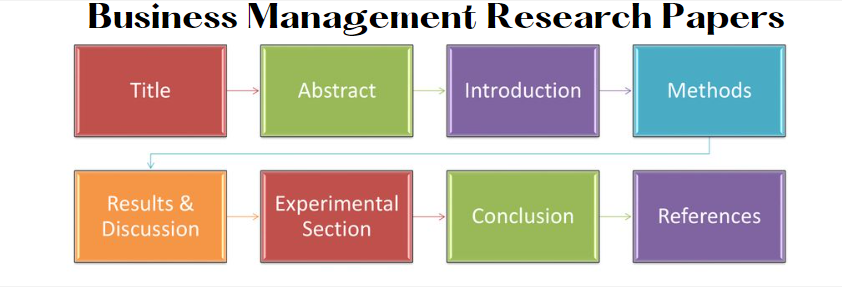
Business Management Research Papers typically follow a structured format comprising key components essential for conveying scholarly insights. The introduction sets the stage by presenting the research question, context, and significance. The literature review surveys existing knowledge, highlighting gaps that the study aims to address. Methodology outlines the research design and data collection methods, ensuring transparency and replicability.
Findings present the results of the investigation, while analysis interprets them in the context of existing literature. The discussion section expands on implications, limitations, and avenues for future research. Finally, the conclusion summarizes key findings and their broader implications. This structured approach ensures clarity and coherence in presenting research on business management, aiding both academic comprehension and practical application in professional settings.
1. Title and Abstract

The title and abstract of Business Management Research Papers are crucial components that serve as gateways to the study's content. The title encapsulates the essence of the research, offering a concise preview of its focus. It should be compelling, yet accurately represent the core theme.
The abstract, on the other hand, provides a brief summary of the entire paper, including the research question, methodology, key findings, and conclusions. As a condensed version of the entire document, the abstract enables readers to quickly grasp the study's purpose and significance. Crafting an informative and engaging title, coupled with a well-crafted abstract, ensures that the research paper captures the attention of readers and conveys its core message effectively.
2. Introduction
The introduction of Business Management Research Papers serves as the gateway to the study, laying the foundation for the entire document. This section typically begins by providing context for the research topic, highlighting its relevance and significance in the broader field of business management.
The introduction articulates the research problem or question, guiding readers towards the study's central focus. It often includes a concise literature review to showcase existing knowledge and identify gaps that the research aims to address.
Additionally, the introduction outlines the scope and objectives of the study, offering readers a roadmap for what to expect. Crafting a clear and compelling introduction is vital, as it not only sets the stage for the research but also captivates the reader's interest and underscores the importance of the study within the context of business management.
3. Literature Review
The literature review in Business Management Research Papers is a critical component that synthesizes existing knowledge on the chosen topic. It involves a comprehensive examination of relevant scholarly articles, books, and other sources to provide a context for the study.
This section not only outlines the theoretical framework but also identifies gaps, contradictions, and trends in the current literature. The literature review serves as the intellectual foundation of the research, helping to justify the need for the study and establish the researcher's familiarity with existing scholarship. By critically analyzing and synthesizing prior research, the literature review informs the reader about the evolution of thought in the field, showcasing the study's place within the broader context of business management research.
4. Methodology
The methodology section of Business Management Research Papers delineates the research design, approach, and procedures employed to address the study's objectives. It serves as a guide for replicability and transparency, detailing how data is collected, analyzed, and interpreted. Researchers outline whether they adopt qualitative, quantitative, or mixed-methods approaches, as well as specific techniques such as surveys, interviews, or case studies.
This section not only establishes the rigor of the study but also allows readers to evaluate the validity and reliability of the research findings. A well-constructed methodology is crucial for ensuring the credibility of the research and providing a clear roadmap for others interested in pursuing similar investigations within the realm of business management.
5. Findings
The findings section in Business Management Research Papers is the core of the study, presenting the results derived from the data analysis. This component translates raw data into meaningful insights, answering the research questions posed in the study. Findings may be presented through tables, charts, graphs, or narrative descriptions, depending on the nature of the data and the preferences of the researcher.
The objective is to provide a clear and organized presentation of the evidence gathered during the research process. A well-articulated findings section not only contributes to the academic discourse within business management but also offers valuable insights for practitioners seeking evidence-based solutions to real-world challenges in organizational settings.
6. Conclusion
The conclusion section of Business Management Research Papers serves as the culmination of the study, synthesizing the key findings and their implications. It offers a recapitulation of the research objectives and a reflection on how the study contributes to the existing body of knowledge in business management.
This section also discusses the practical implications of the findings, suggesting potential applications in real-world organizational settings. The conclusion often highlights any limitations of the study and proposes avenues for future research, inviting scholars and practitioners to further explore the topic. A well-crafted conclusion is essential for leaving a lasting impression, emphasizing the significance of the research and its potential impact on the field of business management.
C. Navigating the Citation and References Maze
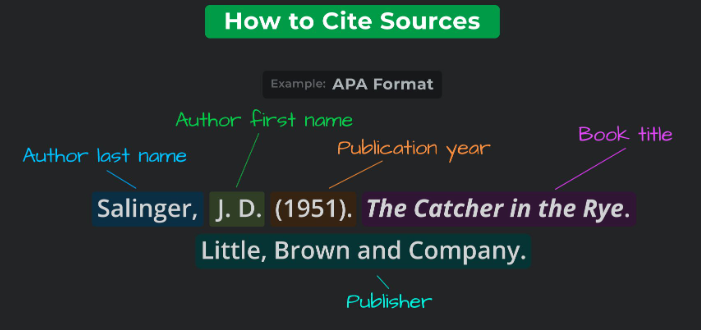
Navigating the citation and references maze is a crucial aspect of the structure in Business Management Research Papers. This section meticulously lists all the sources referenced throughout the paper, providing a comprehensive bibliography that allows readers to trace the origins of information and ideas.
Proper citation not only acknowledges the contributions of other scholars but also adds credibility to the research. Business Management Research Papers often adhere to specific citation styles such as APA, MLA, or Chicago, and meticulous attention to detail is essential. Ensuring accuracy and consistency in citation and referencing is not only a matter of academic integrity but also a means of facilitating further exploration and validation of the research by interested readers and researchers in the field of business management.
III. Choosing the Right Topic for Business Management Research Papers

A. Identifying Trends and Gaps in Business Management
Choosing the right topic for Business Management Research Papers involves a strategic process of identifying trends and gaps within the realm of business management. Researchers often explore emerging trends to ensure relevance and timeliness in their chosen subject matter. Simultaneously, they scrutinize existing literature to pinpoint gaps or unresolved issues, seeking to contribute novel insights to the field.
By aligning their research with current trends and addressing gaps in knowledge, scholars can craft research papers that not only resonate with the contemporary business landscape but also make meaningful contributions to the ongoing discourse in business management. This strategic selection of topics ensures that research remains dynamic, responsive to industry shifts, and valuable in advancing the understanding and practice of effective business management.
B. Balancing Personal Interest and Academic Relevance
Selecting the right topic for Business Management Research Papers involves a delicate balance between personal interest and academic relevance. While it's crucial to choose a topic that aligns with one's passion and intellectual curiosity, it is equally important to ensure that the selected subject holds academic significance within the broader context of business management.
This balance ensures that the researcher remains engaged and motivated throughout the research process, while also contributing meaningfully to the existing body of knowledge in the field. The intersection of personal interest and academic relevance enhances the quality of the research, making it both personally fulfilling for the researcher and valuable to the scholarly community and practitioners in the realm of business management.
C. Crafting a Clear and Focused Research Question
Crafting a clear and focused research question is a pivotal step in choosing the right topic for Business Management Research Papers. The research question serves as the compass, guiding the direction and scope of the study. A well-defined question not only helps to narrow down the vast field of business management but also ensures that the research remains focused and purposeful.
By articulating a specific research question, researchers can clarify the objectives of their study, making it easier to identify relevant literature, design an appropriate methodology, and draw meaningful conclusions. The process of honing in on a clear and focused research question is instrumental in shaping the overall coherence and impact of the research within the dynamic landscape of business management.
IV. Conducting a Thorough Literature Review for Business Management Research Papers

A. Utilizing Academic Databases and Journals
Conducting a thorough literature review for Business Management Research Papers involves skillfully navigating academic databases and journals to extract relevant insights. Scholars delve into databases such as PubMed, JSTOR, or EBSCOhost to access a wealth of peer-reviewed articles, books, and conference papers.
By meticulously exploring these sources, researchers gain a comprehensive understanding of existing knowledge within the chosen field of business management. The literature review not only synthesizes key findings but also identifies gaps and trends, helping researchers position their work within the broader scholarly conversation. Utilizing academic databases and journals ensures the credibility and reliability of the information, allowing researchers to build on established theories and contribute novel perspectives to the evolving landscape of business management.
B. Analyzing and Synthesizing Existing Studies
Conducting a thorough literature review for Business Management Research Papers involves the meticulous analysis and synthesis of existing studies. Researchers scrutinize a multitude of scholarly articles, books, and other relevant sources to extract key insights, methodologies, and findings. The process goes beyond mere summarization; it requires a critical examination of the methodologies employed, the theoretical frameworks applied, and the overall contributions of each study.
By systematically analyzing and synthesizing existing research, scholars not only gain a nuanced understanding of the current state of knowledge in business management but also identify gaps, contradictions, and areas that warrant further exploration. This rigorous approach to the literature review is integral to laying a solid foundation for the research paper and ensuring that the study contributes meaningfully to the advancement of knowledge in the field.
V. Designing a Robust Methodology for Business Management Research Papers

A. Quantitative vs. Qualitative Approaches
Designing a robust methodology for Business Management Research Papers involves a careful consideration of whether to adopt a quantitative or qualitative approach. Quantitative methods, involving statistical analysis and numerical data, are suitable for exploring relationships, patterns, and generalizability.
On the other hand, qualitative methods, relying on in-depth interviews, case studies, or content analysis, offer a deeper understanding of complex phenomena, capturing the nuances of human behavior and organizational dynamics. The choice between these approaches hinges on the research questions and objectives.
A well-designed methodology integrates the chosen approach seamlessly, ensuring data collection techniques align with the study's goals. Striking the right balance between quantitative and qualitative methods enhances the overall rigor and relevance of the research in the domain of business management.
B. Data Collection Methods
Designing a robust methodology for Business Management Research Papers requires careful consideration of effective data collection methods. Researchers employ a variety of techniques to gather relevant information, ranging from surveys and interviews to observations and document analysis. The selection of data collection methods depends on the nature of the research questions and the desired depth of insight.
Surveys may be used for large-scale quantitative studies, while interviews and case studies can provide rich qualitative data. The key is to align the chosen methods with the research objectives, ensuring the collected data is both reliable and valid. A well-crafted methodology in business management research integrates appropriate data collection methods, laying the groundwork for insightful analysis and meaningful findings.
1. Surveys and Questionnaires
In designing a robust methodology for Business Management Research Papers, surveys and questionnaires emerge as valuable tools for collecting quantitative data. These instruments enable researchers to systematically gather information from a large sample of participants, providing insights into attitudes, opinions, and behaviors related to specific aspects of business management.
Surveys often employ closed-ended questions, allowing for structured analysis and statistical interpretation. Designing effective surveys requires careful consideration of question wording, response options, and survey structure to ensure clarity and reliability. The use of surveys and questionnaires contributes to the quantitative rigor of the research, offering a scalable and systematic approach to studying various dimensions within the field of business management.
2. Interviews and Case Studies
When designing a robust methodology for Business Management Research Papers, incorporating interviews and case studies proves essential, especially for obtaining in-depth qualitative insights. Interviews provide a platform for researchers to engage directly with participants, probing into their experiences, perspectives, and decision-making processes within organizational contexts.
On the other hand, case studies delve into specific organizations or situations, offering a detailed examination of real-world scenarios. Both methods facilitate a nuanced understanding of complex phenomena in business management, capturing the intricacies of organizational dynamics and human behavior.
By combining interviews and case studies, researchers can unearth rich qualitative data, providing a holistic view that complements quantitative findings and contributes to a comprehensive and well-rounded analysis in the realm of business management.
C. Ethical Considerations in Business Management Research
Designing a robust methodology for Business Management Research Papers necessitates a keen awareness of ethical considerations inherent in the research process. Researchers in the field of business management must adhere to principles that ensure the well-being, confidentiality, and voluntary participation of study participants.
Ethical considerations also extend to the responsible use of data, transparent reporting of findings, and avoiding any conflicts of interest. Striking a balance between obtaining valuable insights and safeguarding the rights and dignity of those involved is crucial. Ethical guidelines provide a framework for maintaining integrity in the research process, fostering trust within the academic community, and contributing to the ethical advancement of knowledge in the dynamic field of business management.
VI. Analyzing and Interpreting Findings for Business Management Research Papers

A. Data Analysis Techniques
Analyzing and interpreting findings in Business Management Research Papers involves the application of rigorous data analysis techniques. Researchers employ a variety of statistical methods, qualitative coding, or a combination of both, depending on the nature of the data and the research questions. Quantitative techniques, such as regression analysis or statistical tests, help uncover patterns, relationships, and trends within numerical data sets.
Qualitative data, on the other hand, may be subjected to thematic analysis or content analysis to identify recurring themes and patterns. The goal is to derive meaningful insights from the collected data, providing a basis for drawing conclusions and making informed recommendations. A judicious application of data analysis techniques ensures that the research findings are robust, credible, and contribute meaningfully to the understanding of business management phenomena.
1. Statistical Analysis
Analyzing and interpreting findings in Business Management Research Papers often involves employing statistical analysis to derive meaningful insights from quantitative data. Statistical techniques, such as regression analysis, t-tests, and ANOVA, enable researchers to identify patterns, relationships, and trends within numerical datasets.
This quantitative approach provides a structured and systematic means of exploring the associations between variables and testing hypotheses. Through statistical analysis, researchers can assess the significance of their findings, draw conclusions, and contribute valuable insights to the field of business management.
The application of sound statistical methods ensures the rigor and reliability of the research, allowing for evidence-based conclusions and informed decision-making in the dynamic landscape of organizational management.
2. Thematic Analysis
Analyzing and interpreting findings in Business Management Research Papers often involves employing thematic analysis, particularly when dealing with qualitative data. Thematic analysis is a systematic method of identifying, analyzing, and reporting patterns or themes within textual or visual data. Researchers categorize and code data to uncover recurring concepts and extract meaningful insights.
This qualitative approach allows for a nuanced exploration of the complexities inherent in business management phenomena, capturing the richness of participants' perspectives. Thematic analysis provides a structured framework for organizing and interpreting qualitative findings, contributing to a deeper understanding of the underlying themes that shape organizational dynamics and decision-making processes within the business realm.
B. Presenting Results Effectively
Presenting results effectively is a critical aspect of analyzing and interpreting findings in Business Management Research Papers. Researchers must communicate their results in a clear, concise, and visually compelling manner to ensure that the key insights are readily accessible to readers. This often involves using tables, graphs, and charts to represent quantitative data, while also incorporating quotes or examples to illustrate qualitative findings.
A well-structured presentation of results not only enhances the reader's comprehension but also facilitates the seamless integration of findings into the broader context of business management. The goal is to convey the significance of the research outcomes, enabling both scholars and practitioners to grasp the implications and applications of the study's findings in the dynamic landscape of organizational management.
1. Tables and Graphs
In the realm of Business Management Research Papers, utilizing tables and graphs is paramount for effectively analyzing and interpreting findings. These visual aids provide a succinct and organized presentation of quantitative data, allowing researchers to showcase patterns, trends, and relationships within the dataset.
Tables offer a detailed breakdown of numerical information, while graphs, such as bar charts or scatterplots, provide a visual representation that is often easier for readers to comprehend. The strategic use of tables and graphs enhances the clarity and impact of the research findings, facilitating a more accessible understanding of complex data and contributing to the overall coherence of the study in the field of business management.
2. Narrative Descriptions
Alongside quantitative data and visual aids, narrative descriptions play a crucial role in analyzing and interpreting findings for Business Management Research Papers, particularly when dealing with qualitative data. These narrative accounts provide a contextualized and detailed exploration of the study's qualitative findings.
By offering rich, descriptive insights into the experiences, perspectives, and behaviors of participants, narrative descriptions complement quantitative analyses and add depth to the overall understanding of business management phenomena.
They allow researchers to convey the nuances and complexities of their findings, providing a more comprehensive picture that goes beyond statistical patterns. This approach ensures that the qualitative aspects of the research are presented in a way that resonates with readers and contributes to a holistic interpretation of the study's outcomes in the field of business management.
VII. Crafting a Compelling Conclusion for Business Management Research Papers
A. Summarizing Key Findings
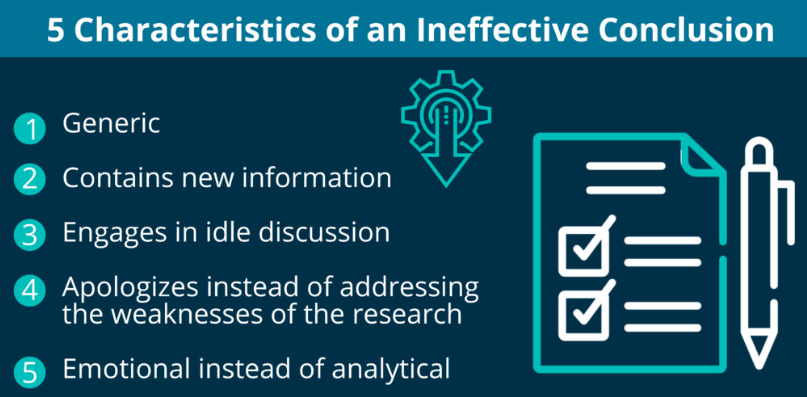
Crafting a compelling conclusion for Business Management Research Papers involves skillfully summarizing the key findings of the study. In this section, researchers consolidate the main insights derived from their data analysis, providing a concise overview of the research outcomes. The conclusion serves as a synthesis of the entire paper, reiterating the significance of the study within the broader context of business management.
It often highlights how the research contributes to existing knowledge, addresses the research questions or objectives, and offers potential implications for both academia and real-world business practices. A well-crafted conclusion not only reinforces the importance of the research but also leaves a lasting impact on the reader, emphasizing the value and relevance of the study in advancing understanding within the field of business management.
B. Addressing Limitations and Future Research Opportunities
Crafting a compelling conclusion for Business Management Research Papers goes beyond summarizing key findings; it also involves addressing limitations and suggesting future research opportunities. Researchers acknowledge the constraints or constraints of their study, providing transparency and context for the interpretation of results.
Simultaneously, they identify avenues for future research, highlighting areas that warrant further exploration and investigation within the field of business management. This forward-looking approach not only adds depth to the conclusion but also invites scholars and practitioners to build upon the current study, contributing to the continuous evolution of knowledge in business management.
By thoughtfully addressing limitations and proposing future directions, the conclusion becomes a dynamic element, fostering a sense of continuity and curiosity within the academic discourse of business management.
VIII. Perfecting the Writing Process of Business Management Research Papers

A. The Art of Clear and Concise Writing
Perfecting the writing process of Business Management Research Papers requires mastering the art of clear and concise writing. Researchers must convey complex ideas in a straightforward manner, ensuring that the language used is accessible to both academic and non-academic readers. Clarity in expression enhances the impact of the research, allowing readers to grasp the study's objectives, methods, and findings with ease.
Conciseness, meanwhile, ensures that every word serves a purpose, preventing unnecessary verbosity and maintaining the reader's engagement. Perfecting this balance of clarity and conciseness is essential for effectively communicating the significance and relevance of the research within the dynamic landscape of business management, facilitating the seamless dissemination of knowledge to diverse audiences.
B. Editing and Proofreading Strategies
Perfecting the writing process of Business Management Research Papers involves meticulous editing and proofreading strategies. After drafting the paper, researchers should systematically review and refine their work to ensure clarity, coherence, and adherence to academic conventions. Editing focuses on improving the overall structure, refining language, and strengthening argumentation.
Proofreading, on the other hand, addresses grammatical errors, typos, and formatting issues. Taking the time to edit and proofread enhances the professionalism of the research paper, ensuring that the content is polished and error-free. These strategies contribute to the paper's credibility, making it more compelling and accessible to readers. By prioritizing the quality of writing through rigorous editing and proofreading, researchers can effectively communicate their insights and findings in the competitive landscape of business management research.
C. Seeking Feedback for Improvement
Perfecting the writing process of Business Management Research Papers involves a crucial step: actively seeking feedback for improvement. Researchers benefit immensely from obtaining constructive input from peers, mentors, or colleagues, as external perspectives can uncover blind spots and enhance the overall quality of the paper.
Feedback provides valuable insights into the clarity of arguments, coherence of ideas, and effectiveness of communication. It allows researchers to refine their writing, address potential weaknesses, and ensure that their message is conveyed with precision. This iterative process of seeking feedback and incorporating suggestions contributes significantly to the continual improvement of the research paper, resulting in a final product that is not only academically rigorous but also resonates effectively with a wider audience in the realm of business management.
IX. Showcasing Professionalism in Presentation of Business Management Research Papers

A. Formatting Guidelines
Showcasing professionalism in the presentation of Business Management Research Papers involves meticulous adherence to formatting guidelines. Researchers must follow the prescribed style guide, whether it's APA, MLA, Chicago, or another, ensuring consistency in citation, headings, font size, and margins.
Proper formatting enhances the visual appeal of the paper, making it more accessible and reader-friendly. Attention to detail in formatting demonstrates a commitment to academic standards and contributes to the overall credibility of the research. Clear and consistent formatting not only reflects professionalism but also facilitates the seamless comprehension of the research, allowing readers to focus on the content without distractions.
B. Creating an Impactful Title
Showcasing professionalism in the presentation of Business Management Research Papers involves crafting an impactful title. The title serves as the first point of contact for readers and should succinctly capture the essence of the research. An effective title not only reflects the study's core focus but also sparks interest and conveys the significance of the research topic. It should be clear, concise, and engaging, providing readers with a compelling preview of what to expect.
A well-crafted title not only demonstrates professionalism but also contributes to the paper's overall visibility and appeal, enticing both academic and practitioner audiences to delve into the nuanced exploration of business management presented in the research paper.
C. Designing a Visually Appealing Document
Showcasing professionalism in the presentation of Business Management Research Papers involves designing a visually appealing document. A well-organized and aesthetically pleasing layout enhances the overall readability and impact of the research paper. Researchers should pay attention to elements such as font choice, spacing, and the use of headers and subheadings to create a visually cohesive and engaging document.
Incorporating visuals, such as graphs or charts, can further clarify complex information and break up the text. A professional and visually appealing presentation not only reflects the researcher's commitment to quality but also makes the paper more accessible and inviting to readers. Attention to the design elements ensures that the research is not only academically rigorous but also effectively communicates its insights to a diverse audience within the field of business management.
X. Real-world Applications of Business Management Research
A. Bridging the Gap Between Academia and Industry
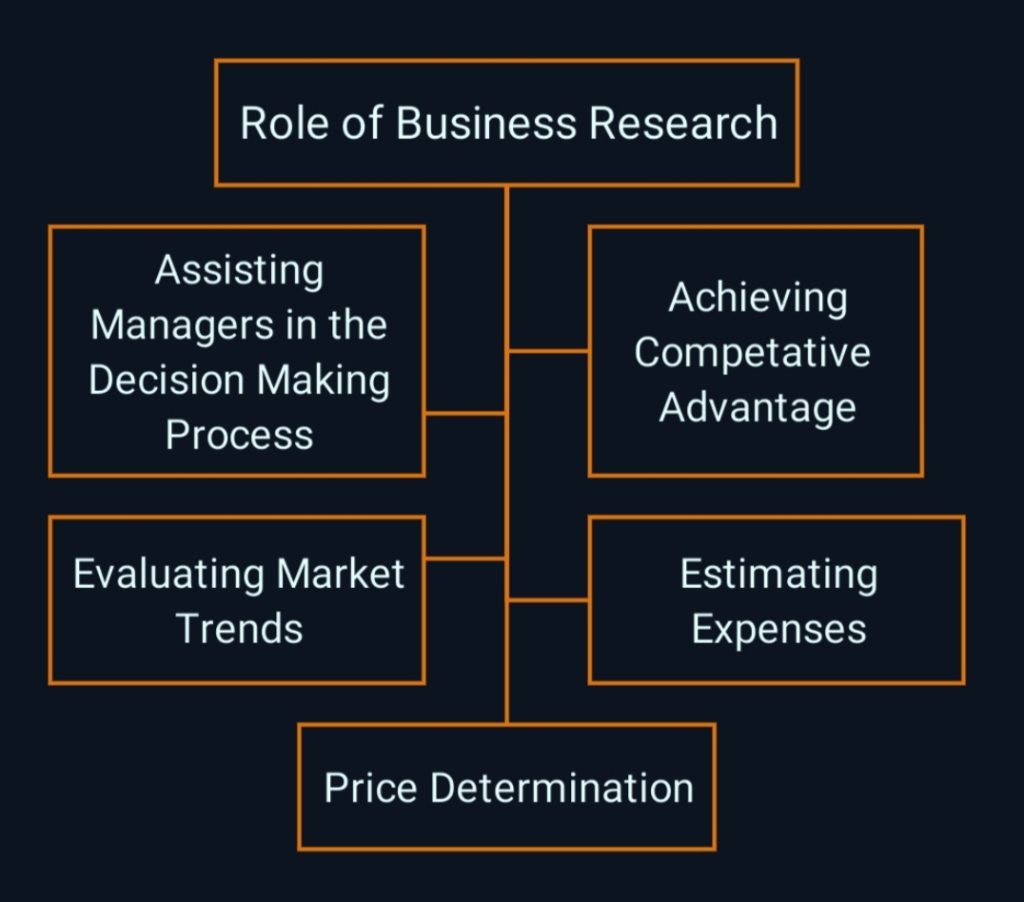
Real-world applications of Business Management Research Papers play a crucial role in bridging the gap between academia and industry. These research papers, when translated into actionable insights, offer practical solutions to contemporary challenges faced by organizations.
By addressing real-world problems and providing evidence-based recommendations, business management research becomes a valuable resource for industry practitioners seeking informed strategies. The findings and methodologies presented in research papers often contribute to the development of best practices and innovative approaches that can be implemented in organizational settings.
This bridging of the gap between academia and industry ensures that theoretical knowledge generated in the academic sphere is directly applicable and beneficial in addressing the dynamic and evolving needs of the business world.
B. Successful Examples of Research Impacting Business Strategies
Real-world applications of Business Management Research Papers are evident in numerous successful examples where research has a direct impact on shaping and enhancing business strategies. By addressing practical challenges faced by organizations, these research papers provide valuable insights that inform decision-making processes.
Successful instances include research findings influencing leadership approaches, organizational structures, and innovative management practices. Such research contributes to the development of evidence-based strategies that can be implemented by businesses to improve performance, adapt to changing environments, and achieve sustainable success. These real-world applications highlight the instrumental role that business management research plays in guiding and optimizing strategies in the ever-evolving landscape of the business world.
XII. Conclusion of Business Management Research Papers

A. Recapitulation of Key Steps and Considerations
The conclusion of Business Management Research Papers serves as a recapitulation of key steps and considerations that have shaped the study. It provides a concise summary of the research process, highlighting the significance of the chosen topic, the methodologies employed, and the key findings.
This section often revisits the research questions and objectives, emphasizing how they have been addressed and contributing to the broader understanding of business management. In addition, the conclusion may touch upon any limitations encountered during the research and propose directions for future studies. By encapsulating the essence of the research journey, the conclusion ensures that readers leave with a clear understanding of the study's contributions, implications, and potential impact on the field of business management.
B. Encouragement for Future Business Management Researchers
The conclusion of Business Management Research Papers extends beyond summarizing findings; it serves as a source of encouragement for future business management researchers. In this concluding section, scholars often underscore the dynamic nature of the field and the ongoing need for innovative inquiry.
By acknowledging the limitations and suggesting avenues for future exploration, the conclusion encourages aspiring researchers to build upon the current study. It emphasizes the importance of continuous learning, adaptation, and exploration within the ever-evolving landscape of business management. This forward-looking perspective fosters a spirit of curiosity and resilience, inspiring the next generation of researchers to contribute fresh insights and advancements to the dynamic field of business management.

Hard Binding Dissertation ( 4 Key Features)
2 year(s) ago
Psychology dissertation topics (5 Major Areas)
2 year(s) ago
Dissertation editor (5 Key Services)
2 year(s) ago
Dissertation Coaching (7 Main Benefits)
2 year(s) ago
Dissertation Acknowledgement Format ( 6 Key Tips)
2 year(s) ago
Psychology Dissertation Topics ( 7 Main Ideas)
2 year(s) ago
Dissertation Binding ( Key Tips)
2 year(s) ago
Dissertation editing services (8 Key Areas)
2 year(s) ago
Dissertation template (Student's Guide)
2 year(s) ago
How to come up with a dissertation topic (9 Key Steps)
2 year(s) ago

Radio Active Tutors is a freelance academic writing assistance company. We provide our assistance to the numerous clients looking for a professional writing service.
Need academic writing assistance ?
Order Now