New Order Found Please Review the order ASAP for the client to
proceed

Unread Message Found Please check the message ASAP and reply to client

Table of Contents
I. Introduction
II. Setting the Stage in Business Management Homework
III. Time Management Strategies in Business Management Homework
IV. Effective Research Techniques in Business Management Homework
V. Note-Taking Skills in Business Management Homework
VI. Mastering Business Concepts
VII. Utilizing Online Platforms in Business Management Homework
VIII. Effective Communication with Instructors
IX. Staying Updated with Industry Trends
X. Developing Critical Thinking Skills
XI. Using Technology Tools
XII. Balancing Theory and Practical Application
XIII. Overcoming Procrastination
XIV. Understanding Assignment Guidelines
XV. Peer Review and Feedback
XVI. Conclusion
I. Introduction
A. The Importance of Business Management Homework

Business management homework holds significant importance in the education of aspiring business professionals. It serves as a practical and intellectual bridge between classroom learning and real-world application. The assignments assigned in business management courses are not mere academic exercises; they are invaluable tools that reinforce theoretical knowledge, stimulate critical thinking, and cultivate essential skills.
Through these tasks, students learn to navigate complex business scenarios, honing their problem-solving abilities and analytical skills. Moreover, business management homework instills a sense of discipline by teaching students the art of time management and prioritization, skills crucial for success in the fast-paced business environment.
The practical orientation of these assignments prepares students for the challenges they will face in their future careers, equipping them with the expertise needed to thrive in the dynamic and competitive world of business management. In essence, business management homework is a key component in shaping well-rounded, capable professionals ready to contribute meaningfully to the business landscape.
B. Challenges Faced by Students
Business management homework presents unique challenges for students pursuing courses in this field. One significant challenge is the complexity of the subject matter itself; concepts like strategic planning, financial analysis, and organizational behavior can be intricate and require a deep understanding.
Additionally, the diversity of assignments, from case studies to group projects, demands students to possess a range of skills, such as critical thinking, effective communication, and collaborative teamwork. The ever-evolving nature of the business environment means that students must stay updated on current trends and practices, adding an element of continual learning to their workload.
Moreover, balancing a rigorous academic schedule with internships, part-time jobs, or other commitments can pose a challenge, requiring adept time management skills. Despite these challenges, navigating business management homework is an essential part of the educational journey, as it equips students with the resilience and skills necessary to thrive in the dynamic world of business.
C. Overview of the Article
The article delves into the multifaceted aspects of business management homework, providing a comprehensive overview of its significance and challenges. It emphasizes how these assignments serve as a crucial link between theoretical classroom learning and practical application in the real business world.
The piece underscores the importance of reinforcing key concepts, fostering critical thinking, and developing practical skills through diverse tasks. It highlights the broad spectrum of challenges students face, including the intricate nature of business management concepts, the varied assignment formats, and the need for a diverse skill set.
Furthermore, the article recognizes the dynamic nature of the business environment, emphasizing the continuous learning process required for students. Overall, it positions business management homework as a vital component in shaping well-prepared and adaptable professionals capable of navigating the complexities of the business landscape.
II. Setting the Stage in Business Management Homework

A. Understanding the Significance of Business Management
Understanding the significance of business management homework is paramount for students pursuing careers in this field. These assignments serve as a practical conduit for applying theoretical knowledge to real-world scenarios, allowing students to hone their skills in strategic decision-making, organizational analysis, and effective communication.
Business management homework is not just an academic exercise; it is a strategic tool that cultivates critical thinking and problem-solving abilities. The practical nature of these assignments prepares students for the challenges they will encounter in their professional journeys, instilling a sense of discipline and time management crucial for success in the dynamic business landscape.
Moreover, as students grapple with diverse tasks, from case studies to group projects, they develop a multifaceted skill set that is invaluable in the competitive business world. In essence, the significance of business management homework lies in its ability to transform theoretical knowledge into practical expertise, molding well-rounded professionals equipped to make impactful contributions to the business realm.
B. Linking Theoretical Knowledge to Practical Application
Business management homework plays a pivotal role in linking theoretical knowledge to practical application for students in the field. This academic exercise serves as a bridge between classroom learning and real-world scenarios, allowing students to apply theoretical frameworks to tangible business challenges.
Through assignments like case studies, strategic analyses, and project implementations, students gain hands-on experience in making informed decisions and addressing complex problems. This linkage is vital for their professional development as it not only reinforces conceptual understanding but also cultivates the ability to translate theoretical concepts into actionable strategies.
In essence, business management homework transforms abstract theories into applicable skills, preparing students to navigate the dynamic and unpredictable terrain of the business world with confidence and competence.
C. The Role of Homework in Skill Development
Business management homework plays a pivotal role in the skill development of students pursuing this field of study. These assignments go beyond the traditional academic framework, serving as a practical training ground for the acquisition and refinement of essential skills.
Through tasks like case studies, analyses, and strategic planning, students develop critical thinking, problem-solving abilities, and a nuanced understanding of real-world business challenges. The diverse nature of business management homework, ranging from individual research to collaborative projects, hones communication and teamwork skills, crucial for success in professional settings.
Furthermore, the continuous engagement with these assignments nurtures time management, adaptability, and resilience – skills that are indispensable in the ever-evolving business landscape. In essence, business management homework not only reinforces theoretical concepts but also molds students into well-rounded professionals equipped with the practical skills necessary for leadership and success in the business world.
III. Time Management Strategies in Business Management Homework

A. Prioritizing Tasks
Time management is a critical aspect of successfully navigating business management homework, and prioritizing tasks is a key strategy in this endeavor. With the diverse array of assignments, from case studies to research projects, students need to discern the urgency and importance of each task.
Prioritization involves identifying high-priority assignments that contribute significantly to overall understanding and align with the broader learning objectives. This strategy enables students to allocate their time and energy effectively, focusing on tasks that demand immediate attention or have a substantial impact on their learning outcomes.
By prioritizing tasks, students not only optimize their productivity but also develop a disciplined approach to handling the varied challenges posed by business management homework. This skill in task prioritization is transferable to professional settings, where time is often a valuable resource, making it an invaluable aspect of a student's skill set as they prepare for their future careers.
B. Creating a Realistic Schedule
Creating a realistic schedule is a fundamental time management strategy crucial for successfully tackling business management homework. The multifaceted nature of these assignments, from research papers to strategic analyses, requires a well-structured approach. By developing a realistic schedule, students can allocate dedicated time slots for specific tasks, ensuring a balanced distribution of effort across various aspects of their coursework.
Realism in scheduling involves accounting for the complexity and time requirements of each assignment, considering potential challenges, and setting achievable milestones. This strategy not only aids in meeting deadlines but also fosters a sense of control over the workload, reducing stress and enhancing overall efficiency.
It instills a disciplined approach, helping students manage their time effectively and ensuring that each aspect of business management homework receives the attention it deserves. Ultimately, creating a realistic schedule not only contributes to academic success but also cultivates a valuable skill set for handling time-sensitive responsibilities in the dynamic business environment.
C. Utilizing Time-Blocking Techniques
In the realm of business management homework, mastering time management is a skill often facilitated by the effective use of time-blocking techniques. This strategy involves breaking down the study or assignment time into distinct blocks, each dedicated to a specific task or type of work.
For instance, students can allocate focused time blocks for reading, research, and writing, ensuring dedicated attention to each aspect of their coursework. Time-blocking not only helps in organizing the workflow but also enhances concentration by creating a structured and predictable schedule. It allows students to immerse themselves fully in a particular activity without the distraction of multitasking.
Additionally, this technique promotes a sense of accomplishment as students witness progress within each time block, contributing to overall task completion. By incorporating time-blocking strategies into their routine, students can effectively manage the demands of business management homework while honing a valuable skill applicable to their future professional endeavors.
IV. Effective Research Techniques in Business Management Homework

A. Leveraging Online Resources
Leveraging online resources is a key component of effective research techniques in business management homework. The digital era has ushered in a wealth of information accessible at the click of a button. Online databases, academic journals, and reputable business websites provide a treasure trove of relevant and up-to-date material for research assignments.
Utilizing search engines effectively, employing academic databases, and accessing online libraries enable students to access a diverse range of perspectives and sources. Moreover, online platforms often host webinars, case studies, and industry reports, offering valuable insights that can enrich the depth and breadth of business management research.
Engaging with online resources not only enhances the quality of the research but also cultivates digital literacy skills, a vital asset in the contemporary business landscape. As students navigate the vast digital landscape, they develop the ability to discern credible sources, critically evaluate information, and apply their findings to the practical challenges presented in business management homework.
B. Utilizing Academic Databases
Utilizing academic databases is a fundamental and effective research technique in business management homework. Academic databases offer a curated collection of scholarly articles, research papers, and publications that are peer-reviewed and academically rigorous.
Platforms such as JSTOR, ProQuest, and EBSCOhost provide students with access to a wealth of relevant and credible information from various disciplines within business management. By searching through these databases, students can refine their research focus, access current and reputable sources, and gain insights from the latest academic discussions and findings.
The structured nature of academic databases ensures that students can efficiently locate peer-reviewed articles that contribute to the depth and credibility of their research. This technique not only enhances the quality of business management assignments but also equips students with the skills to navigate and leverage academic resources effectively, a crucial aspect of their academic and professional development.
C. Incorporating Case Studies for In-Depth Analysis
Incorporating case studies is a powerful and effective research technique in business management homework, offering students the opportunity for in-depth analysis and practical application of theoretical concepts. Case studies provide real-world scenarios, allowing students to apply their theoretical knowledge to concrete business situations.
By examining the details of specific cases, students gain insights into the complexities of decision-making, organizational challenges, and strategic planning. This approach not only reinforces theoretical concepts but also enhances critical thinking and problem-solving skills. Moreover, case studies often involve a multidisciplinary perspective, requiring students to integrate knowledge from various business domains.
Engaging with case studies not only deepens understanding but also cultivates the ability to make informed and strategic decisions in complex business environments. Thus, incorporating case studies into business management homework enriches the research process, providing students with valuable insights and practical skills that are transferable to their future careers in the business world.
V. Note-Taking Skills in Business Management Homework

A. Importance of Organized Notes
Effective note-taking is a critical skill in business management homework, and the importance of keeping organized notes cannot be overstated. Organized notes serve as a roadmap for understanding complex concepts, theories, and practical applications discussed in lectures or assigned readings. A well-structured set of notes enables students to quickly review and comprehend essential information when working on assignments.
In the context of business management, where interdisciplinary knowledge is often required, organized notes facilitate the integration of various concepts, fostering a holistic understanding of the subject matter. Moreover, when conducting research for assignments, organized notes streamline the retrieval of pertinent information, saving valuable time and enhancing overall efficiency.
In the dynamic field of business management, where information is diverse and rapidly evolving, maintaining organized notes is a foundational skill that contributes to academic success and lays the groundwork for future professional endeavors.
B. Utilizing Technology for Note-Taking
In the realm of business management homework, leveraging technology for note-taking is a transformative practice that enhances efficiency and organization. Digital tools and applications offer students dynamic platforms to record, organize, and retrieve information seamlessly.
Apps like Evernote, OneNote, or Google Keep enable students to create and store digital notes accessible across multiple devices, promoting flexibility in study environments. Moreover, these tools often feature features such as tagging, categorization, and search functionalities, allowing for quick retrieval of specific information.
The ability to incorporate multimedia elements like images and links further enriches the note-taking process. In the context of business management, where interdisciplinary knowledge is common, utilizing technology for note-taking facilitates the integration of diverse concepts and streamlines the organization of complex information.
As students navigate the demands of business management homework, the adoption of technology for note-taking emerges not only as a practical necessity but also as a skill that aligns with the evolving nature of information management in the digital age.
C. Creating Visual Aids for Better Understanding
In the realm of business management homework, leveraging technology for note-taking is a transformative practice that enhances efficiency and organization. Digital tools and applications offer students dynamic platforms to record, organize, and retrieve information seamlessly.
Apps like Evernote, OneNote, or Google Keep enable students to create and store digital notes accessible across multiple devices, promoting flexibility in study environments. Moreover, these tools often feature features such as tagging, categorization, and search functionalities, allowing for quick retrieval of specific information.
The ability to incorporate multimedia elements like images and links further enriches the note-taking process. In the context of business management, where interdisciplinary knowledge is common, utilizing technology for note-taking facilitates the integration of diverse concepts and streamlines the organization of complex information.
As students navigate the demands of business management homework, the adoption of technology for note-taking emerges not only as a practical necessity but also as a skill that aligns with the evolving nature of information management in the digital age.
VI. Mastering Business Concepts

A. Breaking Down Complex Theories
Mastering business concepts in business management homework often involves the skill of breaking down complex theories into digestible components. Business management encompasses a range of intricate theories, from strategic planning and organizational behavior to financial analysis.
Successful comprehension begins by dissecting these complex theories into smaller, more manageable parts. This involves breaking down overarching concepts into their fundamental components, understanding the relationships between different elements, and recognizing the practical applications of each component.
By adopting this approach, students can navigate through the intricacies of business theories, fostering a deeper understanding of how these concepts interconnect. Breaking down complex theories not only aids in grasping the nuances of each concept but also lays the groundwork for the application of these theories in real-world scenarios, a fundamental aspect of business management homework.
This skill is essential for students as they prepare to apply their knowledge in professional settings where the ability to understand and navigate complex business concepts is crucial.
B. Seeking Clarification on Ambiguous Topics
Mastering business concepts in business management homework involves the proactive step of seeking clarification on ambiguous topics. Business management encompasses a diverse array of concepts, and some may be inherently complex or open to interpretation.
When faced with ambiguity, it is crucial for students to actively seek clarification from instructors, engage in class discussions, or collaborate with peers to gain different perspectives. This proactive approach not only ensures a clearer understanding of the material but also demonstrates a commitment to mastering the subject matter.
By addressing areas of uncertainty, students can refine their comprehension of business concepts, which is vital for successfully completing assignments and exams. Moreover, the habit of seeking clarification fosters a mindset of continuous learning and a willingness to confront and overcome challenges, qualities that are highly valued in the dynamic field of business management.
C. Forming Study Groups for Collaborative Learning
Mastering business concepts in business management homework can be significantly enhanced by forming study groups for collaborative learning. Joining forces with peers provides a platform for discussing and dissecting complex theories, sharing diverse perspectives, and collectively addressing challenging topics.
In a study group, each member can contribute unique insights and approaches, fostering a more comprehensive understanding of business concepts. Engaging in discussions and collaborative problem-solving not only reinforces individual learning but also exposes students to different viewpoints and interpretations, enriching their overall grasp of the subject matter.
Additionally, study groups create an environment where individuals can seek clarification, share resources, and collectively tackle assignments, creating a synergistic learning experience. This collaborative approach aligns with the team-oriented nature of many business environments, preparing students for future professional scenarios where effective teamwork and shared knowledge are essential for success.
VII. Utilizing Online Platforms in Business Management Homework

A. Engaging with Educational Forums
Utilizing online platforms in business management homework includes the valuable practice of engaging with educational forums. Online forums provide a dynamic space for students to interact, discuss, and share insights related to business management concepts.
Platforms such as discussion boards, forums, or collaborative spaces within learning management systems foster a sense of community among students. By participating in these forums, students can seek clarification on challenging topics, share diverse perspectives, and learn from the experiences of their peers.
Educational forums also serve as a repository of collective knowledge, offering a platform for the exchange of resources, recommended readings, and practical advice. This collaborative approach not only enhances individual understanding but also cultivates a sense of connection and shared learning, contributing to a more enriched educational experience in the realm of business management.
B. Leveraging Social Media for Discussions
Leveraging social media for discussions is a modern approach to utilizing online platforms in business management homework. Platforms like LinkedIn, Facebook groups, or dedicated business forums provide spaces for students to engage in discussions, share insights, and stay updated on industry trends. These platforms create virtual communities where students can connect with peers, industry professionals, and educators.
Participating in discussions on social media allows for real-time interaction, enabling students to seek immediate input on complex business concepts, exchange ideas, and broaden their perspectives. Additionally, these platforms often host industry-related content, articles, and discussions, providing valuable supplementary material for business management homework.
By integrating social media into their learning approach, students not only enhance their understanding of course material but also stay connected to the ever-evolving landscape of business, aligning their education with current industry dynamics.
C. Accessing Webinars and Online Lectures
Utilizing online platforms in business management homework extends to accessing webinars and online lectures, providing students with valuable opportunities for enhanced learning. Online platforms such as webinars and virtual lectures offer a flexible and accessible way to deepen understanding of complex business concepts.
These sessions, often conducted by industry experts or experienced educators, provide insights into current trends, case studies, and practical applications within the business field. By participating in webinars, students can supplement their course materials, gain exposure to real-world scenarios, and expand their knowledge beyond the confines of traditional textbooks.
The interactive nature of these sessions also allows for direct engagement, enabling students to ask questions and seek clarification on specific topics. Incorporating webinars and online lectures into business management homework not only enriches the learning experience but also aligns with the dynamic and evolving nature of the business world, where staying informed is essential for success.
VIII. Effective Communication with Instructors

A. Seeking Clarifications
Effective communication with instructors is crucial in business management homework, and one key aspect of this communication is seeking clarifications. When faced with uncertainties or challenging concepts, students should proactively reach out to their instructors for clarification.
This may involve seeking additional explanations, examples, or guidance on specific topics covered in class or assignments. Clearly articulating the areas of difficulty allows instructors to provide targeted support, ensuring that students have a solid understanding of the material.
This proactive approach not only enhances individual learning but also fosters a positive student-instructor relationship, creating an environment conducive to academic success. In the dynamic field of business management, where clarity of concepts is paramount, seeking clarifications demonstrates a commitment to excellence and a proactive stance towards mastering the subject matter.
B. Requesting Additional Resources
An essential aspect of effective communication with instructors in business management homework is the strategic request for additional resources. In the dynamic field of business management, students may encounter complex concepts or desire further depth in specific areas.
In such instances, requesting additional resources from instructors demonstrates a proactive commitment to understanding the material thoroughly. This communication may involve seeking recommended readings, relevant articles, or supplementary materials that offer a more comprehensive perspective on the subject matter.
Online platforms and email are commonly utilized for these requests, allowing for a clear and direct line of communication. By actively seeking and incorporating supplementary resources, students not only enhance their comprehension but also demonstrate a keen interest in mastering the intricacies of business management, contributing to a more enriched learning experience.
C. Participating Actively in Class Discussions
Active participation in class discussions is a fundamental element of effective communication with instructors in business management homework. Engaging in discussions demonstrates a proactive approach to learning, allowing students to contribute their perspectives, ask questions, and seek clarification on complex topics.
By actively participating, students not only showcase their understanding of the material but also create opportunities for valuable interaction with instructors. This involvement fosters a collaborative learning environment where students can benefit from the expertise of their instructors and receive immediate feedback on their ideas and interpretations.
Moreover, active participation in class discussions enhances communication skills, critical for success in the business world, where effective communication is a cornerstone of leadership and teamwork. This two-way exchange of ideas strengthens the student-instructor relationship, creating a dynamic learning atmosphere in business management coursework.
IX. Staying Updated with Industry Trends

A. Integrating Current Affairs into Homework
Staying updated with industry trends is essential in business management, and one effective strategy is to integrate current affairs into homework assignments. By incorporating recent developments, market trends, or industry news into their coursework, students not only demonstrate a real-time understanding of the business landscape but also connect theoretical concepts to practical applications.
This approach ensures that business management homework is not confined to static textbook knowledge but reflects the dynamic nature of the field. Engaging with current affairs fosters a forward-thinking mindset, enabling students to analyze and apply contemporary insights to their assignments.
Moreover, it cultivates a habit of continuous learning, emphasizing the importance of adaptability in the fast-paced and ever-evolving world of business. As students integrate current industry trends into their homework, they position themselves to be better equipped for the challenges and opportunities that await them in their future business endeavors.
B. Subscribing to Industry Newsletters
A proactive approach to staying updated with industry trends in business management involves subscribing to industry newsletters. Subscribing to newsletters from reputable business publications, trade associations, or industry-specific platforms provides students with a consistent and curated source of the latest insights, developments, and trends in their field of study.
These newsletters offer a convenient way to access real-time information, ensuring that business management homework is informed by the most recent industry knowledge. By regularly receiving updates, students can integrate current trends, case studies, and emerging concepts into their assignments, enriching the quality and relevance of their work.
Subscribing to industry newsletters not only keeps students informed but also instills a habit of staying current with the ever-evolving dynamics of the business world, a skill crucial for success in professional endeavors.
C. Connecting Theoretical Concepts to Real-World Scenarios
Staying updated with industry trends in business management homework goes beyond traditional learning by connecting theoretical concepts to real-world scenarios. Integrating the latest industry trends into coursework provides students with the opportunity to bridge the gap between theory and practice.
By actively seeking and incorporating current information into their assignments, students not only showcase a practical understanding of the subject matter but also develop a forward-thinking mindset. This approach enables them to analyze and apply theoretical concepts in the context of contemporary business challenges.
It encourages critical thinking and problem-solving skills, as students learn to adapt established theories to the dynamic and ever-changing landscape of the business world. As a result, staying updated with industry trends becomes an integral part of business management homework, enhancing the relevance and applicability of academic learning to real-world situations.
X. Developing Critical Thinking Skills

A. Analyzing Business Scenarios
Developing critical thinking skills in business management homework is often exemplified through the analytical process of dissecting business scenarios. Assignments that require students to analyze real-world business situations demand a multifaceted approach. This involves scrutinizing various factors such as market dynamics, organizational structures, financial considerations, and external influences.
Through this analytical exercise, students cultivate the ability to identify problems, assess potential solutions, and make informed decisions. This process not only reinforces theoretical concepts but also encourages a deeper understanding of how these theories apply in practical settings.
By engaging in the analysis of business scenarios, students refine their critical thinking skills, preparing them to navigate the complexities of the business environment with a discerning and strategic mindset. This skill set is foundational for success in business management, where the ability to analyze, interpret, and respond to dynamic situations is paramount.
B. Evaluating Different Management Approaches
Developing critical thinking skills in business management homework is exemplified through the evaluative process of different management approaches. Assignments that require students to assess and compare various management strategies demand a keen analytical mindset.
This involves scrutinizing the strengths and weaknesses of different approaches, considering the context in which they are applied, and predicting potential outcomes. By engaging in this evaluative exercise, students not only deepen their understanding of management theories but also cultivate the ability to think critically about the appropriateness of different strategies in diverse business contexts.
This process encourages a nuanced perspective, fostering a more comprehensive and adaptable approach to problem-solving. As students assess different management approaches, they hone their critical thinking skills, preparing them for the dynamic challenges they will encounter in the business world, where the ability to critically evaluate and adapt management strategies is essential for success.
C. Applying Critical Thinking in Homework Assignments
Developing critical thinking skills in business management homework is most evident when students actively apply these skills in their assignments. This involves more than rote memorization or regurgitation of facts; it requires the thoughtful analysis, interpretation, and application of theoretical concepts to practical scenarios.
Critical thinking in business management assignments entails questioning assumptions, considering alternative perspectives, and making well-reasoned judgments. For instance, students may be asked to develop business plans, analyze case studies, or propose strategic solutions. Through these tasks, they learn to dissect complex problems, assess information, and construct persuasive arguments.
This application-oriented approach not only strengthens their understanding of theoretical frameworks but also prepares them for the uncertainties and challenges they will face in their future careers. Ultimately, the ability to apply critical thinking skills in homework assignments is a cornerstone of success in the dynamic and ever-evolving field of business management.
XI. Using Technology Tools
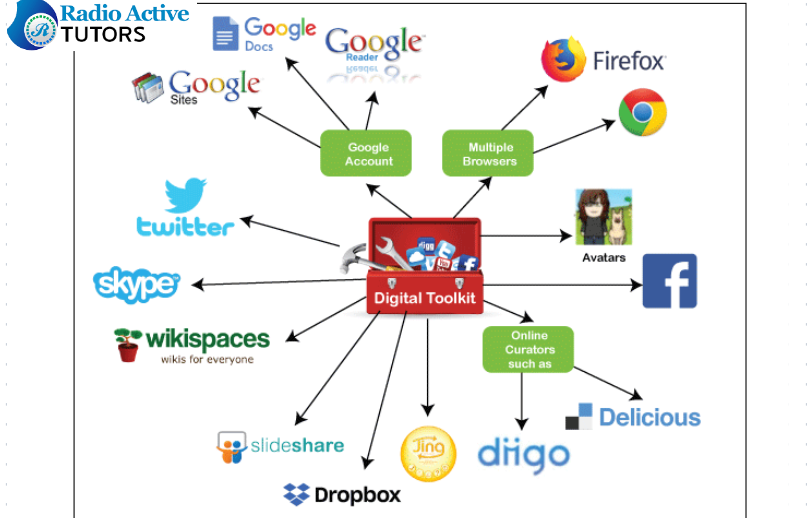
A. Incorporating Project Management Tools
Incorporating project management tools is a strategic application of technology in business management homework, offering a streamlined approach to organize and execute assignments efficiently. Platforms such as Trello, Asana, or Microsoft Project provide students with collaborative spaces to plan, track progress, and manage tasks throughout the completion of projects.
These tools enable students to break down complex assignments into manageable tasks, set deadlines, and allocate responsibilities among team members if working in groups. Project management tools enhance communication, foster transparency, and provide a centralized platform for sharing resources and updates.
By leveraging technology in this way, students not only optimize their workflow but also gain valuable experience using tools widely utilized in professional settings. This integration of project management tools aligns with the modern practices in business management, preparing students for the collaborative and organized approach required in their future careers.
B. Exploring Business Simulation Software
Exploring business simulation software is a dynamic application of technology in business management homework. Business simulation tools, such as Simul8, Capsim, or Marketplace Live, provide students with a virtual environment to simulate real-world business scenarios.
This immersive experience allows students to apply theoretical concepts in a practical context, making decisions in areas like marketing, finance, and operations, and observing the consequences of their choices. Through these simulations, students gain a deeper understanding of business dynamics, enhance strategic thinking, and develop problem-solving skills.
The use of business simulation software not only reinforces theoretical knowledge but also offers a hands-on, experiential learning approach. This integration of technology aligns with the contemporary nature of business practices, preparing students for the complexities and challenges they may encounter in their future roles within the business management landscape.
C. Embracing the Power of Data Analytics Tools
Embracing the power of data analytics tools is a forward-thinking approach to incorporating technology in business management homework. Tools like Microsoft Excel, Tableau, or Google Analytics empower students to analyze and interpret vast sets of data, transforming raw information into actionable insights.
This proficiency in data analytics enhances decision-making skills, allowing students to make strategic and informed choices based on empirical evidence. Moreover, in a business management context, understanding how to harness the power of data is invaluable for tasks such as market analysis, performance measurement, and strategic planning.
By integrating data analytics tools into their homework, students not only gain a practical understanding of data-driven decision-making but also develop a skill set highly sought after in the contemporary business landscape. This technological application aligns with the demand for data-savvy professionals, preparing students for roles where the ability to leverage data for business insights is a key competency.
XII. Balancing Theory and Practical Application

A. Integrating Classroom Knowledge into Homework
Balancing theory and practical application is a cornerstone in business management homework, and a crucial aspect of achieving this balance is by seamlessly integrating classroom knowledge into assignments. Homework becomes a bridge between theoretical concepts discussed in the classroom and their real-world applications.
This integration involves applying learned theories to practical business scenarios, whether through case studies, problem-solving exercises, or strategic analyses. By incorporating classroom knowledge into their assignments, students not only reinforce theoretical understanding but also cultivate the ability to translate abstract concepts into actionable strategies.
This approach ensures that business management homework goes beyond academic exercises, preparing students to navigate the complexities of the professional world where the successful application of theoretical knowledge is vital. Ultimately, the integration of classroom knowledge into homework assignments fosters a holistic and practical approach to learning in the realm of business management.
B. Connecting Textbook Theories to Business Practices
Effectively balancing theory and practical application in business management homework involves the skillful connection of textbook theories to real-world business practices. This process requires students to go beyond memorization of concepts and delve into understanding how theoretical frameworks manifest in actual organizational settings.
Assignments that encourage the application of textbook theories to practical scenarios, such as case studies or project analyses, facilitate a deeper comprehension of business principles. By drawing explicit connections between what is learned in the classroom and how it translates to tangible business challenges, students develop a nuanced understanding of the subject matter.
This approach not only reinforces theoretical knowledge but also equips students with the critical thinking and problem-solving skills necessary to address complex issues in the dynamic field of business management. Ultimately, the ability to bridge theory and practice ensures that homework assignments contribute meaningfully to a student's preparedness for the realities of the business world.
C. Showcasing Practical Insights in Assignments
Balancing theory and practical application in business management homework involves showcasing practical insights within assignments. This approach requires students to go beyond regurgitating theoretical concepts and to incorporate real-world relevance into their work.
Whether through case studies, analyses, or strategic proposals, assignments become opportunities to demonstrate a deep understanding of how theoretical frameworks apply to practical business scenarios. By showcasing practical insights, students convey their ability to critically analyze, synthesize information, and draw meaningful conclusions that can inform decision-making in professional settings.
This integration ensures that business management homework not only reinforces theoretical knowledge but also reflects the skills needed to bridge the gap between academia and the dynamic challenges of the business environment. Ultimately, this balance contributes to a more comprehensive and applicable learning experience for students.
XIII. Overcoming Procrastination

A. Identifying Procrastination Triggers
Overcoming procrastination in business management homework involves a proactive approach, starting with the identification of procrastination triggers. Recognizing the specific factors that contribute to procrastination is a crucial step in developing effective strategies to address this challenge.
Procrastination triggers can vary widely and may include factors such as task complexity, lack of interest, fear of failure, or poor time management. By pinpointing these triggers, students can gain insight into their individual patterns of procrastination.
Once identified, they can then tailor targeted solutions, such as breaking tasks into smaller, more manageable steps, finding ways to increase interest in the subject matter, or implementing time management techniques. This self-awareness allows students to develop a personalized approach to overcome procrastination, fostering a more efficient and productive approach to business management homework.
B. Implementing Anti-Procrastination Techniques
Overcoming procrastination in business management homework involves the strategic implementation of anti-procrastination techniques. Students can employ various strategies to mitigate the tendency to delay tasks, such as breaking down larger assignments into smaller, more manageable steps, setting specific deadlines for each component, and creating a well-structured schedule.
Additionally, utilizing time management tools, setting priorities, and minimizing distractions can help maintain focus and productivity. The Pomodoro Technique, which involves working in focused, timed intervals with short breaks, is another effective method.
By actively incorporating these anti-procrastination techniques into their study routine, students can cultivate discipline, enhance time management skills, and create a more conducive environment for successful completion of business management homework.
C. Celebrating Small Achievements for Motivation
Overcoming procrastination in business management homework can be facilitated by celebrating small achievements as a means of motivation. Breaking down larger tasks into more manageable components allows students to accomplish specific goals incrementally.
By acknowledging and celebrating these smaller milestones, students create a sense of accomplishment and motivation. This positive reinforcement serves as a powerful antidote to procrastination, as the act of celebrating small achievements generates a positive feedback loop, encouraging continued effort.
Whether completing a section of an assignment, mastering a challenging concept, or meeting a self-imposed deadline, recognizing these accomplishments fosters a mindset of progress and success. This approach not only helps overcome procrastination but also instills a sense of satisfaction and momentum in tackling business management homework with increased efficiency and motivation.
XIV. Understanding Assignment Guidelines

A. Analyzing Assignment Rubrics
Understanding assignment guidelines in business management homework involves a thorough analysis of assignment rubrics. Assignment rubrics serve as a roadmap, providing explicit criteria for evaluation. By carefully examining these rubrics, students gain insights into the expectations of instructors, including specific requirements, grading criteria, and the allocation of points.
Analyzing assignment rubrics helps students understand the emphasis placed on different aspects of the assignment, such as content, critical thinking, presentation, or referencing. This understanding allows students to tailor their approach to meet the outlined criteria, ensuring that their work aligns with the instructor's expectations.
By paying close attention to assignment rubrics, students not only enhance the quality of their submissions but also demonstrate a keen awareness of the key elements that contribute to success in business management homework.
B. Paying Attention to Formatting Requirements
Understanding assignment guidelines in business management homework involves paying meticulous attention to formatting requirements. Formatting is a crucial aspect of academic assignments, and adherence to specific guidelines ensures that the presentation of the work aligns with academic standards.
Students should carefully review instructions related to font size, spacing, citation styles (such as APA or MLA), and any other specific formatting criteria outlined in the assignment guidelines. Paying attention to these details not only demonstrates a commitment to professionalism but also contributes to the overall clarity and readability of the document.
In the context of business management, where effective communication is paramount, following formatting requirements is essential for conveying ideas in a structured and organized manner. By meticulously adhering to formatting guidelines, students showcase their attention to detail and dedication to meeting the academic expectations set forth in business management homework assignments.
C. Clarifying Doubts Regarding Expectations
In the realm of Business Management Homework, a critical aspect often overlooked is understanding assignment guidelines. Students must invest time in comprehending the intricacies of assignment rubrics to ensure their work aligns with the expectations of instructors. This involves a meticulous analysis of the provided guidelines, paying attention to specific formatting requirements, and grasping the nuanced expectations outlined by the course.
Clarifying doubts regarding these expectations is paramount, as it not only ensures that the assignment meets the academic standards but also demonstrates a keen awareness of the subject matter. By seeking clarification, students pave the way for a more focused and targeted approach, ultimately contributing to the overall quality of their business management homework.
XV. Peer Review and Feedback

A. Engaging in Peer Evaluation
In the realm of Business Management Homework, engaging in peer review and feedback plays a pivotal role in enhancing the quality of academic work. Peer evaluation fosters a collaborative learning environment where students can exchange insights and perspectives.
By subjecting their assignments to the scrutiny of peers, individuals gain valuable feedback on the clarity of their ideas, the effectiveness of their arguments, and the overall structure of their work. This process not only offers a fresh perspective but also promotes a culture of constructive criticism, encouraging continuous improvement.
Engaging in peer evaluation in business management homework not only refines individual assignments but also cultivates a sense of collective growth and shared knowledge within the academic community.
B. Seeking Constructive Feedback
Seeking constructive feedback is an integral component of the Business Management Homework landscape. Actively pursuing insights from peers and instructors can significantly enhance the quality and depth of assignments. This process goes beyond a mere assessment of correctness; it delves into the realm of refining ideas, strengthening arguments, and honing critical thinking skills.
Students, by actively seeking constructive feedback, demonstrate a commitment to continuous improvement and a willingness to learn from diverse perspectives. Constructive feedback not only points out areas for enhancement but also serves as a valuable tool for personal and academic development, fostering a culture of growth and excellence in the field of business management studies.
C. Continuous Improvement Based on Input
Embracing a philosophy of continuous improvement is paramount when it comes to incorporating peer review and feedback into Business Management Homework. Students who view feedback as a catalyst for growth recognize its transformative potential in refining their academic work.
By systematically analyzing constructive input from peers and instructors, individuals can identify areas of strength and weakness, facilitating targeted enhancements. This iterative process not only elevates the quality of current assignments but also fortifies foundational skills that extend beyond the classroom.
Engaging in continuous improvement based on feedback creates a dynamic learning environment, where each assignment becomes an opportunity for refinement and mastery, contributing to a more robust understanding of business management concepts and their practical applications.
XVI. Conclusion

A. Recap of Key Tips
In conclusion, navigating the realm of Business Management Homework effectively demands a strategic approach and a commitment to excellence. This journey, marked by challenges and opportunities for growth, underscores the importance of various key tips.
Time management strategies, effective research techniques, and the utilization of technology tools are indispensable allies in the academic pursuit of business management knowledge. Moreover, the emphasis on mastering both theoretical concepts and practical applications creates a bridge between classroom learning and real-world scenarios.
As students strive to overcome procrastination, seek clarifications from instructors, and engage in peer review, they contribute to a culture of continuous improvement. In recapitulation, this comprehensive guide advocates for a holistic approach to business management homework, encouraging students to not only meet academic expectations but also to cultivate skills essential for success in the dynamic field of business management.
B. Encouragement for Continuous Improvement
In conclusion, the journey through Business Management Homework is not merely a series of assignments; it is a pathway to personal and academic growth. As we wrap up this exploration of strategies and tips, the overarching theme is one of encouragement for continuous improvement.
Each homework assignment is an opportunity to refine skills, deepen understanding, and embrace the challenges that come with the dynamic field of business management. It's a call to view feedback not as critique but as a compass guiding us towards excellence.
The pursuit of knowledge in business management is a journey, and every step taken, every lesson learned, contributes to a more adept and insightful professional. So, let this conclusion serve as a reminder: the goal is not just to complete homework but to continuously elevate one's abilities, ensuring a lasting impact in the ever-evolving landscape of business management.
C. Emphasizing the Value of Business Management Education
In concluding our exploration of Business Management Homework, it is crucial to underscore the profound value that business management education brings to aspiring professionals. The tips and strategies discussed throughout this guide are not mere academic tools but keys to unlocking a deeper understanding of the intricate world of business.
Beyond the completion of assignments, the true significance lies in the cultivation of skills vital for success in the corporate arena. Business management education empowers individuals to analyze, strategize, and innovate—skills that are not only relevant within classroom walls but resonate in the broader landscape of professional life.
As we bid farewell to this guide, let us carry forward the realization that each homework task is an investment in a future where informed, agile, and strategic business leaders thrive, contributing to the advancement of both their careers and the businesses they engage with.

Hard Binding Dissertation ( 4 Key Features)
2 year(s) ago
Psychology dissertation topics (5 Major Areas)
2 year(s) ago
Dissertation editor (5 Key Services)
2 year(s) ago
Dissertation Coaching (7 Main Benefits)
2 year(s) ago
Dissertation Acknowledgement Format ( 6 Key Tips)
2 year(s) ago
Psychology Dissertation Topics ( 7 Main Ideas)
2 year(s) ago
Dissertation Binding ( Key Tips)
2 year(s) ago
Dissertation editing services (8 Key Areas)
2 year(s) ago
Dissertation template (Student's Guide)
2 year(s) ago
How to come up with a dissertation topic (9 Key Steps)
2 year(s) ago

Radio Active Tutors is a freelance academic writing assistance company. We provide our assistance to the numerous clients looking for a professional writing service.
Need academic writing assistance ?
Order Now