New Order Found Please Review the order ASAP for the client to
proceed

Unread Message Found Please check the message ASAP and reply to client

Table of Contents
I. Introduction
II. Defining Business Management
III. Significance of Effective Business Management
IV. Key Elements of a Business Management Essay
Frequently Asked Questions (FAQs)
V. Choosing the Right Business Management Topics
VI. Researching for Business Management Essays
VII. Writing Style and Tone
VIII. Common Mistakes to Avoid
IX. Tips for Effective Business Management Essay Writing
XI. Case Studies: Illustrating Business Management Concepts
XII. Impact of Technology on Business Management
XIII. The Role of Leadership in Effective Business Management
XIV. Global Perspectives in Business Management
XV. Ethics in Business Management
XVI. Continuous Learning in Business Management
XVII. The Future of Business Management
XVIII. Conclusion
I. Introduction

A. Importance of Business Management Essays
Business management essays hold significant importance as they serve as a bridge between theoretical knowledge and practical application. These essays provide a platform for individuals to demonstrate their understanding of key business concepts, strategies, and challenges. By engaging in the process of researching and writing, students and professionals alike not only deepen their comprehension of business management principles but also develop critical thinking, analytical, and communication skills.
The act of composing the Business Management essays encourages individuals to articulate complex ideas clearly and persuasively, fostering effective communication—a vital asset in the business world. Furthermore, the research involved in crafting these essays enhances information-gathering abilities and promotes a continuous learning mindset, keeping individuals abreast of evolving trends and best practices in the dynamic field of business management. Overall, business management essays contribute significantly to academic and professional development by encouraging thought leadership, knowledge application, and the cultivation of skills essential for success in the business realm.
B. Setting the Stage: Understanding the Relevance
Setting the stage by understanding the relevance of a topic is a critical preliminary step in any academic or professional endeavor. It involves establishing the context, significance, and implications of the subject matter. This initial phase serves as a foundation for deeper exploration and analysis. By comprehending the relevance of a particular topic, individuals gain insight into its broader implications, enabling them to approach it with a focused perspective.
Whether it be in the context of business, education, or any other field, understanding the relevance of a subject provides a roadmap for subsequent discussions, research, and decision-making. It not only helps to define the scope of inquiry but also ensures that efforts are directed toward areas that hold the most significance, thereby maximizing the impact of subsequent actions or analyses. In essence, setting the stage through an understanding of relevance is akin to framing a picture—it enhances the clarity and depth of the subsequent narrative.
II. Defining Business Management

A. Core Concepts
Core concepts are the fundamental principles and ideas that form the foundation of a particular subject or field of study. In any discipline, these essential concepts serve as the key building blocks upon which more complex theories and practices are constructed. They provide a framework for understanding and navigating the intricacies of a given topic. Whether in science, business, or any academic pursuit, a solid grasp of core concepts is crucial for effective learning and problem-solving.
These foundational principles not only aid in the comprehension of advanced theories but also serve as a guide for practical application. Proficiency in core concepts is synonymous with a deep understanding of the subject matter, enabling individuals to analyze situations, make informed decisions, and contribute meaningfully to their respective fields. In essence, core concepts are the bedrock of knowledge, shaping the intellectual landscape and empowering individuals to engage thoughtfully with the complexities of their chosen disciplines.
1. Definition and Scope
Definition and scope are integral elements in delineating the parameters of any subject or field of study. The definition establishes the meaning and essence of a concept, providing clarity and understanding. It serves as a foundational anchor, ensuring a common understanding among individuals engaging with the topic. Meanwhile, scope outlines the boundaries and extent of the subject matter, defining what falls within and outside the purview of the discussion.
Establishing a clear definition and scope is essential for effective communication, research, and problem-solving. It helps to avoid ambiguity, ensuring that discussions and inquiries are focused and purposeful. In academic and professional contexts, a well-defined scope and precise definition are crucial for guiding research endeavors, shaping objectives, and providing a framework for analysis. In essence, a thoughtful consideration of definition and scope is the compass that directs intellectual exploration and contributes to the coherence and effectiveness of any study or discourse.
2. Evolution of Business Management Theories
The evolution of business management theories is a dynamic journey that reflects the changing landscapes of organizations and the broader economic environment. Over the years, various management theories have emerged in response to evolving challenges and opportunities. From classical theories focusing on hierarchical structures and efficiency, to the human relations movement emphasizing the importance of employee satisfaction and motivation, and further on to contemporary theories like strategic management and systems thinking—each era has contributed to the development of a rich tapestry of management philosophies.
The evolution is marked by a shift from rigid, one-size-fits-all approaches to more flexible, context-sensitive methodologies. Notable contributors such as Frederick Taylor, Max Weber, Elton Mayo, and Peter Drucker have left indelible marks on the progression of management theories. This evolutionary process reflects the adaptive nature of business management, continually refining its understanding and practices to address the complexities of the modern business landscape. As organizations face new challenges and opportunities, the evolution of business management theories remains an ongoing and essential dialogue, shaping the way leaders conceptualize and navigate the intricacies of managing enterprises.
III. Significance of Effective Business Management
A. Impact on Organizational Success
The impact of effective management practices on organizational success cannot be overstated. A well-managed organization is characterized by streamlined processes, motivated employees, and strategic decision-making. Leadership that embraces sound management principles contributes to a positive workplace culture, fostering employee engagement and satisfaction.
Clear communication channels, efficient resource allocation, and adept problem-solving are outcomes of effective management, directly influencing the overall performance and success of an organization. Moreover, the ability to adapt to change, a trait often cultivated through strong management, positions an organization to navigate dynamic environments successfully. Ultimately, the impact of effective management reverberates throughout an organization, promoting its resilience, competitiveness, and sustained growth, thus playing a pivotal role in achieving and maintaining organizational success.
1. Driving Profitability
Driving profitability in a business requires a multifaceted approach that encompasses strategic decision-making, operational efficiency, and a keen understanding of market dynamics. Successful organizations focus on optimizing revenue streams, managing costs judiciously, and creating value for their customers. This often involves identifying and capitalizing on market opportunities, leveraging technology for enhanced productivity, and maintaining a competitive edge through innovation.
Effective leadership and management play a pivotal role in aligning the workforce with organizational goals, ensuring that resources are utilized efficiently, and fostering a culture of continuous improvement. Furthermore, a customer-centric approach, coupled with a commitment to quality, enhances brand reputation and customer loyalty, contributing to sustained profitability. In essence, driving profitability requires a holistic and adaptive approach that responds to market trends, customer needs, and internal capabilities, all orchestrated by skilled and forward-thinking management.
2. Fostering Innovation
Fostering innovation within an organization is a key driver for long-term success and competitiveness in today’s dynamic business landscape. Cultivating a culture of innovation involves encouraging creative thinking, risk-taking, and the exploration of new ideas. Effective leaders understand that innovation is not limited to specific roles or departments; it should be embedded throughout the entire organizational structure. This includes providing employees with the autonomy to experiment, acknowledging and learning from failures, and rewarding innovative thinking.
Establishing collaborative environments that facilitate the exchange of ideas and diverse perspectives also plays a crucial role in fostering innovation. Additionally, organizations that invest in research and development, embrace emerging technologies, and stay attuned to market trends are better positioned to adapt and lead in industries driven by constant change. Ultimately, fostering innovation is not just about developing new products or services; it’s about creating a mindset and environment that values continuous improvement and the pursuit of novel solutions to challenges.
3. Enhancing Employee Productivity
Enhancing employee productivity is a fundamental objective for any organization seeking sustained success. This multifaceted goal involves creating an environment that fosters employee engagement, satisfaction, and professional development. Effective leadership, clear communication, and a supportive workplace culture all contribute to motivating employees and maximizing their potential.
Providing the necessary resources, training, and tools ensures that employees can perform their tasks efficiently. Additionally, recognizing and rewarding outstanding performance serves as positive reinforcement, encouraging continued dedication. A work-life balance, coupled with opportunities for skill enhancement and career advancement, further elevates employee morale and productivity. By prioritizing these factors, organizations not only cultivate a high-performing workforce but also contribute to the overall success and competitiveness of the business in the long run.
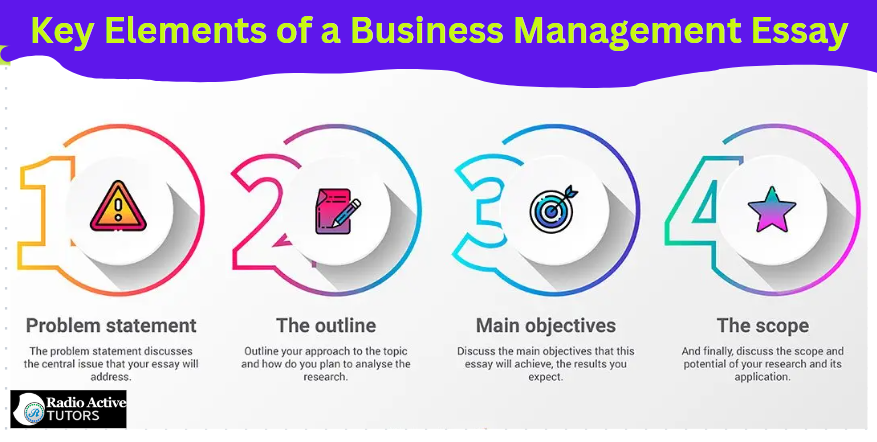
IV. Key Elements of a Business Management Essay
A. Thesis Development
Thesis development is a crucial phase in academic writing, representing the central theme or argument that a paper aims to convey. It serves as the roadmap for the entire composition, guiding the author in organizing thoughts and evidence cohesively. A well-crafted thesis not only articulates the main idea but also highlights the significance of the topic. It is the cornerstone upon which the rest of the paper is constructed, providing a clear focus for the reader and shaping the direction of the argument.
The process of thesis development involves careful consideration of the research question, analysis of supporting evidence, and refining the statement to be both specific and debatable. A strong thesis statement not only propels the academic work forward but also sets the stage for a more insightful and compelling exploration of the chosen subject matter.
1. Crafting a Strong Thesis Statement
Crafting a strong thesis statement is a critical skill in academic writing, as it serves as the anchor around which the entire paper revolves. A well-constructed thesis statement concisely conveys the main point of the paper and indicates the stance or argument the author will take. It should be clear, specific, and debatable, offering a roadmap for the reader to follow.
Achieving this clarity often involves careful consideration of the research question, analysis of supporting evidence, and a thoughtful articulation of the paper’s purpose. Crafting a strong thesis statement is more than a technical exercise; it is a strategic endeavor that sets the tone for the entire piece, guiding the author in presenting a compelling and coherent argument. A robust thesis statement not only enhances the overall quality of academic writing but also provides readers with a clear understanding of the paper’s central focus and purpose.
2. Aligning with the Essay’s Purpose
Aligning with the essay’s purpose is a fundamental aspect of effective writing, ensuring that every element of the composition serves the overarching goal of the piece. Whether the purpose is to inform, persuade, analyze, or entertain, every sentence, paragraph, and supporting detail should contribute to this central objective. This alignment requires a clear understanding of the intended message and target audience.
It involves choosing the appropriate tone, structure, and content that best suit the purpose, allowing the reader to engage with the material seamlessly. By maintaining this alignment, an essay becomes a cohesive and powerful tool for communication, effectively delivering its intended message and resonating with its readers. Consistent attention to the essay’s purpose ensures that each element works harmoniously, contributing to a well-crafted and purposeful piece of writing.
B. Structuring the Essay
Structuring the essay is a foundational step in the writing process, as it provides a framework for organizing thoughts and presenting ideas coherently. A well-structured essay follows a logical progression, typically beginning with an introduction that grabs the reader’s attention and introduces the main thesis statement. The body of the essay is then divided into paragraphs, each focusing on a specific point or aspect of the topic, supported by evidence and analysis.
Transitions between paragraphs ensure a smooth flow of ideas. The conclusion summarizes the main points and reinforces the thesis, leaving a lasting impression on the reader. The overall structure not only enhances clarity and readability but also helps the writer to stay focused on the essay’s purpose. Whether employing a chronological, thematic, or other organizational structure, the key lies in creating a cohesive and purposeful narrative that effectively communicates the intended message to the audience.
1. Introduction
The introduction of an essay serves as the gateway to the reader, setting the tone and context for the entire piece. Its primary purpose is to capture the audience’s attention and provide a clear overview of the essay’s subject matter. A well-crafted introduction typically begins with a hook, a compelling statement, question, or anecdote that draws the reader in.
Following the hook, the introduction presents background information, necessary context, and often concludes with a thesis statement—a concise summary of the main point or argument to be explored in the essay. A strong introduction not only generates interest but also provides a roadmap for what lies ahead, guiding the reader through the forthcoming discussion. By establishing a solid foundation in the introduction, the writer lays the groundwork for an engaging and purposeful essay.
2. Body
The body of an essay is the substantive core where ideas are developed, arguments are presented, and evidence is provided to support the thesis statement. Typically organized into paragraphs, each focused on a distinct aspect or supporting point, the body provides the depth and substance of the essay. It is here that the writer expounds on concepts, delves into analysis, and presents relevant examples or evidence to bolster their central argument. Effective body paragraphs maintain a logical flow, with each one building upon the preceding and smoothly transitioning to the next.
The body of the essay is the space for in-depth exploration and the development of the writer’s perspective, contributing to a comprehensive and well-rounded presentation of the chosen topic. Each paragraph within the body plays a crucial role in convincing the reader of the validity of the thesis statement, thereby fulfilling the essay’s purpose and engaging the audience in a thoughtful exploration of the subject matter.
a. Addressing Core Business Management Principles
Addressing core business management principles is paramount for the effective functioning and success of any organization. These principles encompass a range of fundamental concepts such as strategic planning, organizational structure, leadership, human resource management, and financial stewardship. A business that addresses these core principles strategically is better positioned to navigate challenges, capitalize on opportunities, and maintain sustainable growth.
Strategic planning ensures that the organization sets clear goals and aligns resources to achieve them. An effective organizational structure facilitates efficient communication and collaboration. Strong leadership inspires and guides teams toward common objectives. Human resource management ensures the cultivation of a motivated and skilled workforce. Financial stewardship involves prudent budgeting and resource allocation. Collectively, addressing these core business management principles establishes a solid foundation for organizational success, fostering resilience and adaptability in today’s dynamic business environment.
b. Case Studies and Real-World Examples
Case studies and real-world examples serve as invaluable tools in illustrating theoretical concepts and enriching the learning experience. By delving into specific instances, learners can bridge the gap between abstract principles and practical applications. Case studies provide a context for understanding how theoretical knowledge translates into action and decision-making in real-world scenarios.
They offer a glimpse into the complexities and challenges that professionals encounter, fostering a deeper comprehension of the subject matter. Additionally, real-world examples bring relevance and authenticity to academic discussions, making the content more relatable and engaging. Whether exploring business management, scientific principles, or social dynamics, the incorporation of case studies and real-world examples enhances the learning process by providing a tangible connection between theory and practice.
3. Conclusion
In conclusion, the culmination of ideas and arguments presented throughout an essay is encapsulated in the concluding paragraph. This section serves as a summary, reiterating the key points discussed in the body of the essay and reinforcing the thesis statement. A well-crafted conclusion goes beyond mere repetition; it offers a synthesis of the main ideas, providing a sense of closure while leaving a lasting impression on the reader.
It may also suggest implications for further research or invite reflection on the broader significance of the topic. The conclusion is a crucial component that leaves the reader with a final, thoughtful perspective on the subject matter, ensuring that the essay’s purpose is fulfilled and the audience gains a sense of resolution and insight.
Frequently Asked Questions (FAQs)
A. What makes a business management essay stand out?
B. How do I choose a compelling topic for my business management essay?
C. Can I incorporate personal experiences in a business management essay? D. Is it essential to include real-world examples in a business management essay?
E. How do I balance theory and practical insights in my business management essay?
V. Choosing the Right Business Management Topics
A. Industry-Specific vs. General Management Essays
The distinction between industry-specific and general management essays lies in the depth and breadth of their focus within the business realm. Industry-specific management essays are tailored to the nuances of a particular sector, delving into sector-specific strategies, challenges, and best practices. These essays equip readers with specialized insights crucial for success within a specific industry context.
In contrast, general management essays take a more overarching approach, exploring fundamental principles and strategies applicable across various industries. They offer a broader perspective, emphasizing transferable skills and universal management concepts.
While industry-specific essays provide targeted knowledge for professionals immersed in a particular field, general management essays contribute to a broader understanding of leadership, strategy, and organizational dynamics. Both types of essays play essential roles in business education, offering a balanced mix of specialized expertise and versatile managerial skills.
B. Emerging Trends in Business Management
Emerging trends in business management reflect the dynamic and evolving nature of the corporate landscape. In recent years, several key themes have surfaced, reshaping the way organizations operate.
The increasing emphasis on sustainability and corporate social responsibility has become a prominent trend, with businesses recognizing the importance of environmental and social impacts. The integration of advanced technologies, such as artificial intelligence and data analytics, is revolutionizing decision-making processes and enhancing operational efficiency.
Remote work and flexible work arrangements, accelerated by global events, have become integral aspects of contemporary management strategies. Additionally, diversity, equity, and inclusion have gained prominence, acknowledging the value of diverse perspectives in fostering innovation and driving organizational success. As businesses navigate these emerging trends, adaptability and a forward-thinking approach to management become crucial for staying competitive and resilient in an ever-evolving business landscape.
VI. Researching for Business Management Essays
A. Utilizing Reliable Sources
Utilizing reliable sources is a cornerstone of producing credible and well-substantiated content in any form of writing. Whether for academic essays, research papers, or professional reports, the quality of information directly impacts the integrity of the work.
Reliable sources, such as peer-reviewed journals, reputable publications, and expert-authored books, contribute to the accuracy and authority of the information presented.
These sources undergo rigorous scrutiny, ensuring that the data, theories, or opinions they contain are well-founded and supported by evidence. By relying on such sources, writers enhance the validity of their arguments and provide readers with trustworthy and well-informed content.
Moreover, the conscientious use of reliable sources reflects a commitment to intellectual rigor and ethical writing practices, fostering a culture of accuracy and accountability in academic and professional discourse.
B. Incorporating Academic Journals and Publications C. Analyzing Case Studies for Insightful Content
Incorporating academic journals and publications is an essential aspect of producing insightful and well-researched content. Academic journals, often peer-reviewed, are repositories of scholarly work that undergo rigorous evaluation, ensuring the credibility and validity of the information they contain. Drawing from these sources adds depth and authority to the content by integrating expert perspectives and research findings.
Additionally, analyzing case studies is another valuable method for extracting insightful content. Case studies provide real-world scenarios that allow for the practical application of theoretical concepts, offering a nuanced understanding of how theories operate in complex situations.
By combining the rigorous analysis of academic journals with the practical insights gleaned from case studies, writers can create comprehensive and enriched content that resonates with both theoretical depth and practical relevance, fostering a robust and well-rounded approach to their work.
VII. Writing Style and Tone
A. Formal vs. Informal Tone
The choice between a formal and informal tone in writing significantly influences the style and impact of a piece. A formal tone is characterized by adherence to grammatical conventions, the use of academic or technical language, and a structured, professional style. It is often employed in academic papers, business communication, or any context where precision and seriousness are paramount.
On the other hand, an informal tone adopts a more relaxed, conversational style, utilizing colloquial language and a friendlier approach. This tone is common in personal emails, blog posts, and certain types of creative writing. The decision between formal and informal tone depends on the audience, purpose, and context of the writing, with each tone offering a distinct way to connect with and engage readers. Striking the right balance ensures effective communication and aligns with the expectations of the intended audience.
B. Clarity and Conciseness in Expression
Clarity and conciseness in expression are pivotal elements of effective communication, emphasizing the importance of delivering information in a straightforward and succinct manner.
A clear message is easily understood by the audience, reducing the likelihood of misinterpretation or confusion. This involves selecting precise language, avoiding unnecessary jargon, and organizing ideas in a logical sequence.
Conciseness complements clarity by eliminating superfluous details and ensuring that the message is delivered in a compact and efficient form. This not only enhances the reader’s comprehension but also respects their time and attention.
Whether in academic writing, business communication, or creative endeavors, the combination of clarity and conciseness enhances the impact of the message, fostering effective and meaningful communication.
VIII. Common Mistakes to Avoid
A. Lack of Structure
A lack of structure in any written or verbal communication can impede understanding and diminish the overall impact of a message. Structure serves as the organizational framework that guides the audience through a logical sequence of ideas, allowing for coherence and clarity. Without a well-defined structure, information may appear disjointed, making it challenging for readers or listeners to follow the intended flow of thought.
This lack of cohesion can result in confusion, reduced engagement, and a diminished ability to convey complex concepts effectively. Whether in essays, presentations, or any form of communication, a clear and purposeful structure is essential for ensuring that the message is conveyed with maximum impact and that the audience can easily comprehend the information being presented.
B. Overuse of Jargon
The overuse of jargon in communication can be a significant barrier to effective understanding and engagement. While jargon can be useful within specific professional or technical contexts, excessive reliance on it can alienate or confuse audiences who are not familiar with the specialized terminology. Overusing jargon may create a communication gap, hindering the intended message from reaching a broader audience.
Effective communication requires a balance between using industry-specific language for precision and ensuring that the message remains accessible and clear to a diverse audience. Striking this balance is crucial for fostering effective communication and ensuring that information is conveyed accurately and comprehensibly to a wider range of individuals.
C. Ignoring Counterarguments
Ignoring counterarguments in a discussion or written work is a critical flaw that undermines the overall credibility and persuasiveness of the argument. Acknowledging and addressing opposing viewpoints demonstrates intellectual honesty and a thorough understanding of the complexity of the issue at hand. By engaging with counterarguments, a writer or speaker not only demonstrates respect for diverse perspectives but also strengthens their own position by demonstrating a nuanced understanding of the topic.
Ignoring counterarguments can lead to an incomplete or biased presentation of information, diminishing the persuasive power of the argument. Embracing counterarguments, on the other hand, fosters a more comprehensive and intellectually robust discussion, contributing to a more well-rounded and convincing presentation of ideas.
IX. Tips for Effective Business Management Essay Writing
A. Time Management
Time management is a critical skill that plays a pivotal role in personal and professional success. Effectively managing one’s time involves prioritizing tasks, setting goals, and allocating resources to optimize productivity. It requires a balance between short-term objectives and long-term goals, ensuring that daily activities align with overarching priorities. Techniques such as creating schedules, breaking down larger tasks into manageable components, and minimizing distractions contribute to efficient time management.
In the professional realm, effective time management is synonymous with increased productivity, better decision-making, and reduced stress. On a personal level, it allows for a more balanced and fulfilling life by providing the opportunity to pursue both professional and personal interests. Ultimately, mastering time management is a cornerstone of achieving one’s potential and fostering a sense of control and accomplishment in various aspects of life.
B. Reviewing and Editing Strategies
Reviewing and editing strategies are indispensable steps in the writing process, ensuring the refinement and enhancement of written content. During the reviewing phase, writers assess the overall coherence, clarity, and effectiveness of their work. This involves scrutinizing the structure of the piece, evaluating the logical flow of ideas, and checking for consistency in tone and style.
Additionally, reviewing allows for the identification and correction of grammatical errors, typos, and other language-related issues. The editing phase goes a step further by focusing on sentence structure, word choice, and overall language precision.
Writers often find it beneficial to take a break before reviewing and editing to approach their work with fresh eyes. Employing these strategies not only polishes the final product but also ensures that the intended message is communicated with maximum impact, reflecting a commitment to producing high-quality and error-free written content.
C. Seeking Feedback from Peers or Mentors
Seeking feedback from peers or mentors is a valuable practice in honing one’s skills and improving the quality of work. External perspectives offer insights that the creator might have overlooked, providing a fresh and constructive viewpoint. Peers can offer feedback based on their own experiences and understanding, while mentors bring a wealth of knowledge and guidance to the table.
This collaborative process not only helps identify areas for improvement but also fosters a culture of continuous learning and growth. Constructive criticism, when received with an open mind, becomes a catalyst for refining ideas, addressing weaknesses, and enhancing overall performance. Whether in the realm of professional projects or personal endeavors, actively seeking feedback from peers or mentors is a proactive step towards achieving excellence and ensuring that one’s work meets the highest standards.
XI. Case Studies: Illustrating Business Management Concepts
A. Analyzing Successful Business Strategies
Analyzing successful business strategies provides invaluable insights into the dynamics that contribute to sustained growth and competitiveness. Successful strategies often involve a combination of factors, including a keen understanding of market trends, effective risk management, innovation, and a focus on customer needs. By dissecting these strategies, businesses can identify patterns, key decision points, and best practices that have contributed to success.
This analysis is not only beneficial for the specific company but also offers valuable lessons for others in the industry. It allows for the extraction of universal principles that can be adapted and applied across diverse business contexts. Furthermore, studying successful business strategies serves as a strategic learning tool, empowering organizations to make informed decisions, adapt to changing landscapes, and ultimately position themselves for long-term success in a competitive business environment.
B. Learning from Management Failures
Learning from management failures is a crucial aspect of professional and organizational development. Mistakes and failures provide valuable lessons that can inform future decision-making and improve managerial practices. Analyzing management failures allows leaders to identify the root causes of problems, understand the consequences of certain actions, and pinpoint areas for improvement.
It fosters a culture of continuous learning and adaptation, encouraging resilience in the face of challenges. Moreover, sharing and reflecting on management failures within an organization can contribute to a more transparent and accountable work environment. Embracing these failures as learning opportunities can lead to innovation, better risk management, and the development of more effective strategies, ultimately contributing to the long-term success and growth of the organization.
XII. Impact of Technology on Business Management
A. Integration of AI and Automation
The integration of artificial intelligence (AI) and automation represents a transformative paradigm in various industries. AI, with its ability to process vast amounts of data, analyze patterns, and make intelligent decisions, has the potential to revolutionize operational efficiency.
Automation complements AI by streamlining repetitive tasks, reducing errors, and enhancing overall productivity. Industries ranging from manufacturing and healthcare to finance and customer service are witnessing the profound impact of this integration.
The deployment of smart technologies not only accelerates processes but also opens avenues for innovation and strategic decision-making. However, this shift also prompts considerations around workforce dynamics, ethical implications, and the need for upskilling.
As organizations navigate this integration, finding the right balance between human capabilities and technological advancements becomes critical for harnessing the full potential of AI and automation in the evolving landscape of the digital age.
B. Challenges and Opportunities
The intersection of challenges and opportunities defines the landscape of dynamic environments, be it in business, technology, or societal contexts. Challenges, often inherent in change and complexity, present hurdles that demand strategic thinking, resilience, and innovative solutions. These obstacles can emerge from economic uncertainties, technological disruptions, or global crises.
On the flip side, challenges also create opportunities for growth, adaptation, and transformation. They act as catalysts for innovation, prompting organizations and individuals to rethink established norms and explore new possibilities.
Seizing opportunities requires a proactive mindset, a readiness to embrace change, and the ability to turn challenges into stepping stones for advancement. In essence, the coexistence of challenges and opportunities shapes the narrative of progress and evolution, offering a platform for continuous learning, improvement, and the pursuit of excellence in diverse spheres of life.
XIII. The Role of Leadership in Effective Business Management
A. Transformational vs. Transactional Leadership
Transformational and transactional leadership represent distinct approaches to guiding and motivating teams within an organization. Transactional leadership focuses on the exchange between leaders and followers, emphasizing clear roles, expectations, and rewards.
This style involves a more straightforward, task-oriented approach where leaders provide guidance and recognition based on performance. In contrast, transformational leadership centers on inspiring and motivating individuals to achieve beyond their self-interests.
Leaders employing this style aim to create a shared vision, foster innovation, and cultivate a sense of collective purpose. Transformational leaders often exhibit charisma and encourage their team members to reach their full potential.
Both leadership styles have their merits and can be effective in different situations, with transactional leadership providing structure and stability, while transformational leadership fuels creativity and long-term organizational growth. The choice between these approaches depends on the organizational context, goals, and the nature of the tasks at hand.
B. Leadership Styles and Their Impact on Organizational Culture
Leadership styles play a pivotal role in shaping the organizational culture, influencing the values, norms, and behavior of individuals within a company. Different leadership styles, such as transformational, transactional, laissez-faire, and democratic, contribute distinct attributes to the organizational culture. Transformational leaders, for instance, inspire a culture of innovation and a shared vision.
Transactional leaders establish structured processes and clear expectations. Laissez-faire leaders provide autonomy, fostering an independent culture. Democratic leaders promote collaboration and inclusivity. The impact of these styles is profound, as they set the tone for communication, decision-making, and employee engagement. Effective leaders recognize the importance of aligning their leadership style with the organizational culture they aim to cultivate, understanding that a harmonious fit contributes to employee satisfaction, productivity, and the overall success of the organization.
XIV. Global Perspectives in Business Management
A. Navigating Cultural Differences
Navigating cultural differences is a critical skill in today’s interconnected global landscape. As individuals and organizations engage in cross-cultural interactions, understanding and respecting diverse cultural norms, values, and communication styles becomes essential.
Navigating these differences involves cultivating cultural intelligence, which encompasses awareness, adaptability, and effective communication across cultural boundaries. It requires an openness to learning from diverse perspectives, embracing flexibility in approach, and recognizing that cultural nuances influence interpersonal relationships and business practices.
Successful navigation of cultural differences not only facilitates smooth collaboration but also promotes mutual understanding and appreciation. Whether in the realm of international business, education, or interpersonal relationships, the ability to navigate cultural differences enhances cooperation, minimizes misunderstandings, and fosters a more inclusive and harmonious global community.
B. International Business Management Challenges
International business management faces a myriad of challenges that stem from the complexity of operating in diverse global markets. Cultural differences, varying regulatory environments, and geopolitical uncertainties present formidable obstacles.
Adapting strategies to different cultural norms and consumer behaviors is critical for success, but it requires a nuanced understanding of each market. Compliance with diverse and sometimes conflicting regulations poses legal and operational challenges.
Additionally, fluctuations in currency values, trade barriers, and geopolitical events can impact supply chains and market access. The effective management of international teams dispersed across different time zones adds another layer of complexity.
Navigating these challenges demands strategic foresight, flexibility, and a deep understanding of the interconnected nature of the global business landscape. Successful international business management involves developing adaptive strategies, fostering cross-cultural competencies, and staying vigilant in the face of evolving economic and geopolitical dynamics.
XV. Ethics in Business Management
A. Balancing Profitability and Social Responsibility
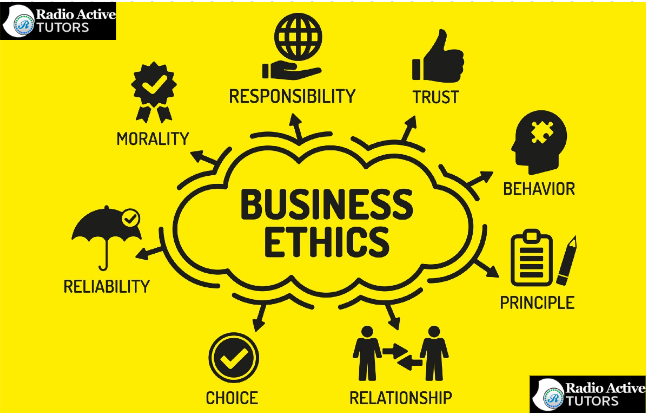
Balancing profitability and social responsibility is a delicate equilibrium that modern businesses must strive to achieve. While the primary goal of any enterprise is financial success, the growing emphasis on corporate social responsibility requires organizations to consider their impact on society and the environment. Businesses are increasingly expected to adopt sustainable practices, contribute to social causes, and demonstrate ethical conduct. Striking the right balance involves integrating responsible business practices without compromising financial viability.
Companies can enhance their long-term profitability by aligning with social and environmental values, fostering customer loyalty, attracting socially conscious investors, and maintaining positive relationships with the broader community. This approach not only benefits society but also reflects a forward-thinking business model that acknowledges the interdependence of economic success and social well-being. In an era where consumers and investors scrutinize a company’s ethical standing, finding this equilibrium is not just a moral imperative but a strategic necessity.
B. Case Studies on Ethical Dilemmas in Management
Case studies on ethical dilemmas in management provide valuable insights into the complex decision-making processes that leaders face in the business world. These real-world scenarios often involve navigating moral quandaries, conflicting interests, and ethical grey areas. Studying such cases allows management students and professionals to analyze the dynamics of decision-making, considering the ethical implications and consequences of various choices.
Examining how organizations and leaders have grappled with ethical dilemmas sheds light on the importance of ethical leadership, corporate responsibility, and the impact of decisions on stakeholders. These case studies serve as learning tools, prompting critical reflection on ethical principles and helping individuals develop the skills to make principled and morally sound decisions in their own managerial roles.
XVI. Continuous Learning in Business Management
A. Staying Updated with Industry Trends
In the dynamic and fast-paced world of business, staying updated with industry trends is paramount for success. Industries are constantly evolving, driven by technological advancements, changing consumer behaviors, and global economic shifts. Professionals who make a deliberate effort to stay informed about these trends position themselves as proactive and adaptive contributors to their respective fields.
This entails regularly consuming industry publications, attending relevant conferences, participating in webinars, and engaging with professional networks. By staying current, individuals not only enhance their own knowledge and skills but also contribute to the resilience and innovation of their organizations. In an era where knowledge is a key differentiator, the commitment to staying updated with industry trends is a strategic imperative that can lead to improved decision-making, greater market insights, and sustained professional relevance.
B. Pursuing Further Education and Certifications
Pursuing further education and certifications is a strategic investment in personal and professional development. In today’s rapidly changing job landscape, continuous learning is essential for staying competitive and adapting to evolving industry requirements. Advanced degrees, specialized courses, and professional certifications not only enhance knowledge and skills but also signal a commitment to excellence and a proactive approach to career growth.
They provide individuals with a deeper understanding of their field, opening doors to new opportunities and expanding their professional network. Moreover, in certain industries, certifications serve as valuable endorsements of expertise and can significantly boost one’s credibility. As the job market becomes increasingly competitive, the pursuit of further education and certifications remains a powerful means of staying relevant, advancing one’s career, and contributing to the ever-expanding pool of knowledge in one’s chosen field.
XVII. The Future of Business Management
A. Predictions and Speculations
Predictions and speculations play a dual role in shaping our understanding of the future. Predictions are informed forecasts based on available data and trends, providing insights into potential outcomes. They serve as strategic tools for planning and decision-making, helping individuals and organizations anticipate and prepare for future scenarios.
On the other hand, speculations involve conjecture and hypotheses about future events, often with a degree of uncertainty. While speculations lack the empirical grounding of predictions, they stimulate creative thinking and encourage exploration of various possibilities.
Both predictions and speculations contribute to our collective foresight, offering lenses through which we can envision potential futures. The delicate balance lies in discerning between well-founded predictions and imaginative speculations, recognizing their respective roles in informing our perspectives on what lies ahead.
B. Adapting to Rapid Changes
Adapting to rapid changes is a critical skill in today’s dynamic and ever-evolving landscape. Whether in business, technology, or personal life, the ability to navigate and respond to swift transformations is key to success. Rapid changes can stem from various factors such as technological advancements, market shifts, or unforeseen global events. Those who can adapt quickly demonstrate resilience, agility, and a willingness to embrace new ways of thinking and working.
Adapting to change involves staying informed, being open to learning, and cultivating a proactive mindset. It requires the flexibility to adjust strategies, reassess goals, and innovate in response to emerging challenges and opportunities. Individuals and organizations that prioritize adaptability position themselves not only to survive in dynamic environments but also to thrive by leveraging change as a catalyst for growth and improvement.
XVIII. Conclusion
A. Summarizing Key Takeaways
Summarizing key takeaways is a crucial step in distilling and reinforcing the main points of any discussion, presentation, or learning experience. It involves condensing complex information into concise, digestible insights that capture the essence of the content. This process not only reinforces understanding for the summarizer but also provides a valuable resource for the audience. By identifying and articulating the essential elements, individuals can highlight the most relevant information, facilitating retention and comprehension.
Summarizing key takeaways is a skill that promotes effective communication, as it enables the dissemination of vital information in a clear and accessible manner, fostering better understanding and retention among diverse audiences. Whether in academic settings, professional environments, or personal learning experiences, the ability to succinctly capture the core elements enhances the overall impact and utility of the shared information.
B. Encouraging Further Exploration and Learning
Encouraging further exploration and learning is a powerful approach to fostering intellectual curiosity and personal growth. By creating an environment that values continuous learning, individuals are motivated to delve deeper into subjects, seek out new information, and expand their knowledge horizons. This encouragement can take various forms, such as providing access to resources, recommending relevant materials, or initiating discussions that prompt critical thinking.
Emphasizing the importance of ongoing exploration not only enriches individual learning journeys but also contributes to a culture of curiosity within teams and communities. This approach recognizes that learning is a lifelong endeavor, and by fostering a mindset of exploration, individuals are empowered to stay adaptable and engaged in a rapidly changing world, cultivating a habit of perpetual learning and discovery.

Hard Binding Dissertation ( 4 Key Features)
2 year(s) ago
Psychology dissertation topics (5 Major Areas)
2 year(s) ago
Dissertation editor (5 Key Services)
2 year(s) ago
Dissertation Coaching (7 Main Benefits)
2 year(s) ago
Dissertation Acknowledgement Format ( 6 Key Tips)
2 year(s) ago
Psychology Dissertation Topics ( 7 Main Ideas)
2 year(s) ago
Dissertation Binding ( Key Tips)
2 year(s) ago
Dissertation editing services (8 Key Areas)
2 year(s) ago
Dissertation template (Student's Guide)
2 year(s) ago
How to come up with a dissertation topic (9 Key Steps)
2 year(s) ago

Radio Active Tutors is a freelance academic writing assistance company. We provide our assistance to the numerous clients looking for a professional writing service.
Need academic writing assistance ?
Order Now