New Order Found Please Review the order ASAP for the client to
proceed

Unread Message Found Please check the message ASAP and reply to client

I. Introduction
II. Understanding the Basics of Accounting Thesis Papers
III. Choosing the Right Topic for Accounting Thesis Papers
IV. Crafting a Solid Thesis Statement
V. Structuring Accounting Thesis Papers
VI. Citations and Referencing
VII. Working with Advisors and Peer Review
VIII. Challenges and Solutions in Thesis Writing
IX. Importance of Revisions and Editing
X. Navigating Ethical Considerations
XI. Conclusion

A. Definition of Accounting Thesis Papers
An accounting thesis paper is a scholarly document that explores and presents a comprehensive study on a specific aspect of accounting. Typically undertaken as a requirement for advanced academic degrees, such as a master's or a Ph.D., these papers delve into complex accounting topics, theories, methodologies, or practical applications. The primary objective of an accounting thesis paper is to contribute new knowledge, insights, or perspectives to the field of accounting.
This involves conducting rigorous research, analyzing data, and presenting findings in a structured and well-supported manner. Accounting thesis papers often address issues like financial reporting, auditing, taxation, management accounting, or other specialized areas within the discipline. Through the completion of an accounting thesis paper, students or researchers demonstrate their mastery of accounting principles and their ability to engage in scholarly inquiry within the realm of finance and business.
B. Importance in Academic and Professional Settings
Accounting thesis papers hold significant importance in both academic and professional settings. In academia, these papers serve as a culmination of in-depth research and critical analysis, showcasing the author's ability to contribute meaningfully to the field of accounting. They play a pivotal role in earning advanced degrees, affirming the researcher's expertise in accounting principles and methodologies. Moreover, accounting thesis papers contribute to the collective knowledge of the discipline, fostering advancements in theory and practice.
In professional settings, the successful completion of such a thesis is often regarded as a testament to an individual's commitment to excellence and their potential contributions to the accounting profession. Employers may view a well-executed accounting thesis as evidence of advanced analytical and research skills, making individuals more competitive in the job market and positioning them as valuable assets in the corporate world. Overall, accounting thesis papers bridge the gap between academic rigor and practical relevance, shaping accomplished professionals and contributing to the continuous evolution of accounting practices.
C. Overview of the Article's Scope
This article provides a concise overview of accounting thesis papers, outlining their scope and significance. Accounting thesis papers are scholarly documents that delve into specific aspects of accounting, ranging from financial reporting and auditing to taxation and management accounting. The scope of these papers extends beyond routine academic exercises, as they serve as a culmination of rigorous research and critical analysis, showcasing a student or researcher's mastery of accounting principles.
The article emphasizes their importance in both academic and professional settings, highlighting how they contribute to the collective knowledge of the discipline and enhance an individual's standing in the job market. By offering insights into the scope and purpose of accounting thesis papers, this article provides a foundational understanding of their role in advancing knowledge within the accounting field and fostering the development of skilled professionals.

A. Definition and Purpose of a Thesis
Understanding the basics of accounting thesis papers is essential for both students and researchers in the field. These papers can be defined as comprehensive and scholarly documents that explore specific aspects of accounting, such as financial reporting, auditing, or taxation. The primary purpose of accounting thesis papers is to contribute new knowledge or insights to the field, showcasing the author's mastery of accounting principles.
Through in-depth research and critical analysis, these papers not only fulfill academic requirements for advanced degrees but also serve as a platform for advancing the understanding of accounting practices. By delving into the intricacies of the subject matter, accounting thesis papers play a crucial role in shaping the academic and professional landscape, fostering a deeper comprehension of accounting principles and their practical applications.
B. Evolution of Accounting Thesis Papers
The evolution of accounting thesis papers reflects the dynamic nature of the accounting discipline and its continuous adaptation to the evolving business landscape. Over time, these papers have transitioned from traditional academic exercises to sophisticated scholarly documents that contribute significantly to the field. Originally, accounting thesis papers primarily served as a means for students to demonstrate their understanding of foundational concepts.
However, with the progression of academic research standards and the increasing complexity of accounting practices, the scope of these papers expanded. Today, accounting thesis papers are not only a requirement for advanced degrees but also crucial vehicles for advancing accounting knowledge. They have evolved to encompass diverse topics such as financial reporting, auditing, and managerial accounting, reflecting the growing breadth and depth of the discipline. The evolution of accounting thesis papers underscores their pivotal role in both academic and professional contexts, shaping the trajectory of accounting research and practice.
C. Significance in the Accounting Field
The significance of accounting thesis papers in the accounting field lies in their role as catalysts for intellectual and practical advancements. These papers are vital components in academic pursuits, serving as comprehensive showcases of a student's proficiency in accounting principles. However, their importance extends beyond the academic realm. Accounting thesis papers contribute significantly to the broader understanding of accounting practices, offering fresh perspectives and innovative insights that enrich the discipline.
By addressing specific topics such as financial reporting, auditing, or taxation, these papers stimulate intellectual discourse and contribute to the continuous evolution of accounting theory and application. Moreover, they play a crucial role in shaping the skills and expertise of future accounting professionals, ensuring that they are well-equipped to navigate the complexities of the modern business environment. In essence, accounting thesis papers serve as integral instruments for the advancement of knowledge and the cultivation of expertise within the dynamic landscape of the accounting field.

A. Identifying Your Area of Interest
Selecting the right topic for accounting thesis papers is a pivotal step, and it begins with identifying your area of interest within the vast field of accounting. Consider exploring topics that align with your passion and curiosity, as this will not only sustain your motivation throughout the research process but also allow you to make a meaningful contribution to the field. Reflect on your academic and professional experiences to pinpoint specific aspects of accounting that captivate your attention.
Whether it's financial reporting, auditing, taxation, or management accounting, understanding your personal interests will help narrow down potential research areas. Additionally, stay informed about current trends and emerging issues in the accounting landscape to ensure your chosen topic is relevant and addresses contemporary challenges. By identifying your area of interest, you lay the foundation for a compelling and engaging accounting thesis that reflects your dedication and enthusiasm for the subject matter.
B. Aligning with Academic Requirements
When selecting a topic for accounting thesis papers, it is crucial to align your choice with academic requirements. Familiarize yourself with the guidelines provided by your academic institution or program, ensuring that your chosen topic meets any specific criteria or expectations outlined by your professors or advisors. Consider factors such as the scope and depth of the research required, the feasibility of data collection and analysis, and the overall objectives of the academic program.
Ensure that your chosen topic allows for a comprehensive exploration of accounting concepts and aligns with the academic rigor expected at your level of study. By carefully aligning your topic with academic requirements, you not only ensure adherence to the necessary standards but also set the stage for a well-structured and academically sound accounting thesis paper. This alignment enhances the likelihood of meeting the expectations of your academic assessors and contributes to the overall success of your research endeavor.
C. Considering Practical Relevance
In the process of selecting a topic for accounting thesis papers, it's crucial to consider practical relevance. Opt for a topic that not only aligns with academic requirements but also addresses real-world issues and challenges in the field of accounting. Consider the current trends, emerging issues, and practical implications of your chosen topic within the context of the business and financial environment.
A thesis that contributes practical insights and solutions to industry challenges not only enhances your academic work but also demonstrates the immediate applicability of your research in professional settings. By choosing a topic with practical relevance, you ensure that your accounting thesis makes a meaningful impact, bridging the gap between theoretical knowledge and its practical application in the dynamic landscape of accounting and finance.

A. Definition and Role of a Thesis Statement
In accounting thesis papers, a thesis statement serves as a concise and central element that encapsulates the main argument or purpose of the research. It typically appears in the introduction and provides a roadmap for the reader, outlining the key points and objectives of the thesis. A well-crafted thesis statement not only articulates the specific focus of the research but also sets the tone for the entire paper. It should be clear, specific, and debatable, presenting a stance or perspective that the rest of the thesis will explore and support.
The role of a thesis statement is to guide the reader in understanding the purpose and direction of the research, helping them anticipate the key findings and contributions. Essentially, a solid thesis statement in accounting thesis papers acts as a compass, directing both the writer and the reader through the intricate terrain of the research, ensuring coherence and clarity in the overall presentation of ideas.
B. Elements of a Strong Accounting Thesis Statement
A strong thesis statement in accounting thesis papers comprises several key elements essential for clarity and effectiveness. Firstly, it should clearly articulate the main topic or subject of the thesis. This ensures that the reader immediately grasps the central focus of the research. Secondly, a strong thesis statement should present a specific argument or perspective on the chosen topic. This adds depth and purpose to the thesis, distinguishing it from a mere summary of facts.
Thirdly, the statement should be debatable, inviting discussion and analysis rather than stating universally accepted truths. Additionally, it should highlight the significance of the research, indicating why the chosen topic is relevant and worthy of investigation within the context of accounting. Lastly, a well-crafted thesis statement should provide a roadmap for the reader, outlining the key points or arguments that will be developed in the body of the thesis. By incorporating these elements, a strong accounting thesis statement sets the stage for a focused, compelling, and cohesive research paper.
C. Examples and Analysis
Crafting a solid thesis statement is pivotal in accounting thesis papers, as it succinctly outlines the central argument and roadmap for the research. For instance, consider the thesis statement: "The implementation of International Financial Reporting Standards (IFRS) significantly impacts financial statement quality, transparency, and comparability in multinational corporations, ultimately enhancing the global harmonization of accounting practices."
This statement is clear in its focus on IFRS implementation, specific in outlining its effects on financial statements, and debatable, inviting further exploration. Moreover, it emphasizes the relevance of the research to multinational corporations and the broader goal of global accounting harmonization. Such a well-crafted thesis statement sets the tone for a comprehensive and focused exploration of the chosen accounting topic, ensuring a strong foundation for the ensuing research paper.
A. Introduction Section
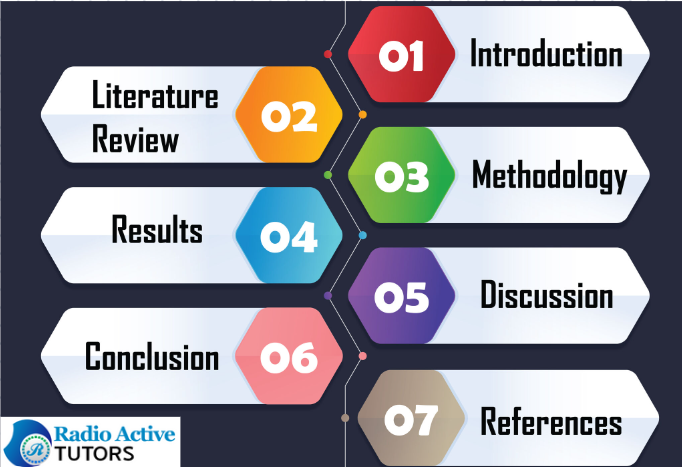
The introduction section of accounting thesis papers serves as a critical foundation, setting the stage for the research to follow. Begin with a brief overview of the general context of accounting, leading to a clear and concise thesis statement that encapsulates the main argument or purpose of the paper. Provide background information on the chosen topic, including its relevance and significance within the field of accounting.
Consider outlining the scope and objectives of the research to give readers a roadmap for what to expect. Additionally, highlight any gaps in existing literature that the thesis aims to address. End the introduction by summarizing the structure of the paper, providing a glimpse of the key sections and their respective contributions. By carefully structuring the introduction, accounting thesis papers can engage readers, establish the importance of the research, and guide them seamlessly into the subsequent chapters of the thesis.
1. Hooking the Reader
Hooking the reader in the introduction section of accounting thesis papers is crucial to capturing their interest and setting a compelling tone for the research. Begin with a captivating anecdote, a thought-provoking statistic, or a relevant real-world scenario related to the chosen accounting topic. For example, if the thesis focuses on financial reporting, consider opening with a brief case study illustrating the impact of accurate or misleading financial statements on stakeholders.
Alternatively, start with a surprising fact or statistic related to accounting practices to pique the reader's curiosity. By incorporating an engaging hook, you create an immediate connection with the audience, motivating them to delve further into the research to discover how the thesis addresses the introduced issue. This approach not only adds vibrancy to the introduction but also establishes the significance of the research topic in a way that resonates with the reader.
2. Stating the Problem
In the introduction section of accounting thesis papers, it is essential to clearly articulate the problem or issue that the research aims to address. Start by providing context for the problem, explaining its relevance within the field of accounting. This could involve discussing challenges faced by businesses, regulatory complexities, or gaps in existing accounting practices. Clearly define the problem statement to create a foundation for the reader's understanding of the research's purpose.
For instance, if the thesis is exploring the impact of fraudulent financial reporting, outline the prevalence of such incidents and their consequences for stakeholders. Emphasize the significance of resolving or understanding the identified problem, linking it to the broader context of accounting theory and practice. By explicitly stating the problem, the introduction establishes a compelling rationale for the research, motivating readers to explore the subsequent sections for insights and solutions.
B. Literature Review
The literature review section in accounting thesis papers serves as a critical examination and synthesis of existing scholarly works related to the chosen topic. Begin by providing a comprehensive overview of the key theories, concepts, and models relevant to your research. Organize the literature based on themes, chronology, or methodologies, depending on the nature of your topic. Analyze and critique the existing literature, highlighting gaps, inconsistencies, or areas where further research is needed.
Connect the reviewed literature to the objectives of your study, demonstrating its relevance to your research questions. Additionally, discuss the evolution of thought in the field, showcasing the trajectory of research and identifying seminal works that have influenced current perspectives. By structuring the literature review effectively, accounting thesis papers can establish a solid foundation for the research, positioning it within the broader context of existing scholarship and providing a rationale for the study's significance.
C. Methodology
The methodology section of accounting thesis papers outlines the approach and procedures employed to conduct the research. Begin by explaining the overall research design, whether it's quantitative, qualitative, or a combination of both. Clearly state the research methods utilized, such as surveys, interviews, archival research, or experimental approaches. Justify the choice of methodology by explaining how it aligns with the research questions and objectives. Provide details on the data collection process, including the selection of participants, if applicable, and the instruments or tools used for data gathering.
Discuss the data analysis techniques, whether statistical methods, content analysis, or other analytical approaches, and clarify how they contribute to addressing the research objectives. Additionally, address any potential limitations and biases in the chosen methodology. By articulating a well-structured methodology, accounting thesis papers enhance the transparency of the research process, enabling readers to evaluate the validity and reliability of the study's findings.
D. Results and Findings
The Results and Findings section in accounting thesis papers presents the outcomes of the research based on the data collected and analyzed in the methodology section. Begin by providing a clear and concise presentation of the key results, using tables, graphs, or charts when appropriate for clarity. Present the findings in a logical sequence, linking them back to the research objectives outlined in the introduction.
Be objective in reporting the data, and avoid interpreting the results in this section; that is reserved for the discussion section. If applicable, highlight any unexpected or noteworthy patterns that emerged during the analysis. Ensure that the presentation of results aligns with the chosen data analysis methods, whether quantitative or qualitative. By structuring the Results and Findings section effectively, accounting thesis papers communicate the empirical outcomes of the research, laying the groundwork for the subsequent interpretation and discussion of the findings.
E. Discussion
The Discussion section of accounting thesis papers involves a critical analysis and interpretation of the results presented in the previous section. Begin by reiterating the main findings and linking them back to the research questions or objectives outlined in the introduction. Provide an in-depth analysis of the results, discussing their implications and significance in the context of existing literature and accounting theories.
Address any unexpected or contradictory findings, offering plausible explanations and insights. Discuss the limitations of the study and acknowledge potential biases or areas for further research. Consider comparing your results with previous research and exploring how your findings contribute to the broader understanding of the accounting field. Conclude the discussion by summarizing the key takeaways and reinforcing the importance of your research contributions. By structuring the Discussion section effectively, accounting thesis papers not only demonstrate a deep understanding of the research findings but also contribute to advancing knowledge within the discipline.
F. Conclusion
The Conclusion section of accounting thesis papers provides a concise summary of the entire research and emphasizes the key contributions, implications, and recommendations derived from the study. Begin by restating the main findings and their significance in addressing the research questions or objectives. Summarize the major insights gained and their alignment with existing literature.
Discuss the broader implications of the research for accounting theory, practice, or policy. Clearly state any limitations encountered during the study and propose potential avenues for future research. Conclude with a strong emphasis on the overall impact of the research on the field of accounting. By structuring the Conclusion section effectively, accounting thesis papers provide a sense of closure while reinforcing the importance of the study's findings and their potential influence on the accounting discipline.

A. Importance of Proper Citations
Proper citations and referencing in accounting thesis papers are of paramount importance for several reasons. Firstly, accurate citations give due credit to the original authors whose work has been consulted or referenced, ensuring academic integrity and ethical scholarship. This practice helps avoid plagiarism and acknowledges the intellectual contributions of others to the field of accounting.
Additionally, proper citations provide a transparent trail for readers to locate and verify the sources used in the research, enabling them to assess the credibility and reliability of the information presented. Citations also serve as a foundation for building on existing knowledge, allowing researchers to trace the evolution of ideas within the accounting discipline. Furthermore, adherence to a recognized citation style, such as APA, MLA, or Chicago, ensures consistency and professionalism in the presentation of the research. Overall, proper citations not only uphold scholarly standards but also contribute to the robustness and credibility of accounting thesis papers.
B. Common Citation Styles in Accounting
C. Avoiding Plagiarism
Avoiding plagiarism is paramount in accounting thesis papers to ensure academic integrity. Plagiarism, the presentation of someone else's work as your own, can be avoided by diligently citing sources. Proper citations involve crediting the original authors when using their ideas or words, using quotation marks for direct quotes, and providing in-text citations and a comprehensive reference list.
When paraphrasing, it is crucial to attribute the original ideas to the source. Understanding and following specific citation styles, such as APA, MLA, or Chicago, helps maintain consistency and clarity in referencing. Accounting thesis writers should also seek permission and provide proper citations when reusing their own previously published work. Utilizing plagiarism detection tools before submission further ensures the absence of unintentional plagiarism, upholding ethical standards and the credibility of the research.

A. Building a Strong Relationship with Your Advisor
Building a strong relationship with your advisor is essential when working on accounting thesis papers. Open communication is key—regularly update your advisor on your progress, challenges, and any shifts in your research direction. Be receptive to feedback and guidance, demonstrating a willingness to incorporate constructive suggestions. Seek clarification when needed and actively engage in discussions about your research methodologies, findings, and interpretations.
Additionally, be proactive in scheduling regular meetings and respecting your advisor's time constraints. Clearly articulate your goals and expectations for the advisor-advisee relationship, ensuring alignment in terms of research objectives and timelines. A collaborative and communicative partnership with your advisor enhances the quality of your accounting thesis and contributes to a positive and productive research experience.
B. Utilizing Peer Review for Constructive Feedback
Utilizing peer review is a valuable strategy in refining accounting thesis papers through constructive feedback from fellow researchers. When seeking peer review, select colleagues or peers with expertise in accounting or related fields. Provide them with a clear overview of your research goals, methodology, and findings.
Encourage constructive criticism by asking specific questions about the clarity of your arguments, the soundness of your methodology, and the overall coherence of your thesis. Embrace diverse perspectives, as this can uncover blind spots and enhance the robustness of your work. Engage in open and respectful discussions with peers, appreciating their insights and considering their suggestions for improvement. Peer review not only strengthens the rigor of your accounting thesis but also fosters a collaborative and supportive academic community.
C. Balancing Feedback with Personal Vision
Balancing feedback with your personal vision is a crucial aspect when working with advisors and engaging in peer review for accounting thesis papers. While feedback from advisors and peers is invaluable for refining your research, it's equally important to maintain a clear sense of your own research objectives and vision.
Evaluate feedback in the context of your original goals, ensuring that suggested changes align with the core purpose of your thesis. Prioritize feedback that enhances the clarity, validity, and overall quality of your work, while also considering how it aligns with your research philosophy. Effectively balancing external input with your personal vision ensures that your accounting thesis maintains its unique contributions and originality, creating a harmonious integration of constructive feedback without compromising the integrity of your research objectives.

A. Common Obstacles in Accounting Thesis Papers
Writing an accounting thesis poses various challenges, such as grappling with complex concepts, managing extensive data, and balancing theoretical frameworks with practical applications. The intricacies of accounting theories may lead to difficulties in articulating ideas clearly, while the abundance of data can make content selection challenging.
Additionally, the evolving nature of accounting practices and the need for proper citation can add complexity. To address these challenges, breaking down the research into manageable tasks, seeking guidance from advisors, and maintaining effective time management are crucial. Clear communication with peers, staying updated on accounting standards, and consistent organization also contribute to overcoming these common obstacles in accounting thesis writing.
B. Strategies to Overcome Writer's Block
Writer's block is a common hurdle in thesis writing, including accounting thesis papers. To overcome this challenge, it is essential to implement effective strategies. Breaking down the thesis into smaller tasks, setting realistic goals, and changing the writing environment can help alleviate the feeling of being overwhelmed.
Freewriting without worrying about perfection, seeking inspiration from related literature, and taking short breaks between writing sessions can stimulate creativity and maintain motivation. Discussing ideas with peers, using visual tools like mind maps, and employing writing prompts are additional tactics to overcome writer's block. Seeking professional guidance from advisors or writing centers when needed can provide valuable insights and support. By incorporating these strategies, writers can overcome writer's block and make progress in their accounting thesis with renewed inspiration and focus.
C. Seeking Help When Needed
In the process of thesis writing, including accounting thesis papers, challenges may arise that necessitate seeking help. Whether grappling with complex concepts, data management issues, or writer's block, recognizing when assistance is needed is crucial. Seeking guidance from advisors, professors, or peers can provide valuable insights and help navigate obstacles.
Additionally, utilizing university writing centers or seeking the expertise of professionals in the field can offer specialized assistance. By fostering a proactive approach and reaching out for help when necessary, thesis writers can effectively address challenges, ensuring a smoother and more successful journey in completing their accounting thesis.

A. The Iterative Process of Thesis Writing
The importance of revisions and editing cannot be overstated in the iterative process of thesis writing, including accounting thesis papers. Revisions serve as a crucial step in refining and enhancing the clarity, coherence, and overall quality of the content. This iterative process allows writers to revisit their ideas, address feedback, and make necessary improvements.
Editing, on the other hand, focuses on fine-tuning language, ensuring proper grammar, and adhering to citation styles. Through these stages, writers can polish their work, eliminate redundancies, and strengthen the logical flow of their arguments. Embracing the iterative nature of revisions and editing not only leads to a more refined and well-crafted accounting thesis but also contributes to the development of strong writing and analytical skills.
B. Tips for Effective Editing
Effective editing is paramount in refining the quality and coherence of a thesis, including accounting papers. One key tip for successful editing is to take a step back after completing the initial draft. This distance allows a fresh perspective, making it easier to identify areas for improvement. Focus on clarity, coherence, and the logical flow of ideas, ensuring each paragraph contributes to the overall narrative.
Pay attention to grammar, punctuation, and citation style to maintain consistency and professionalism. Reading the thesis aloud can also help catch errors and assess the overall readability. Additionally, seeking feedback from peers or advisors can provide valuable insights and perspectives. By embracing a thorough and meticulous editing process, writers enhance the precision and effectiveness of their accounting thesis, elevating the overall quality of their research.
C. Utilizing Proofreading Tools
Utilizing proofreading tools is a crucial step in the importance of revisions and editing, particularly in the context of crafting a polished accounting thesis. These tools offer a systematic and automated way to catch grammatical errors, typos, and inconsistencies, ensuring a high level of accuracy in the final document.
While human editing is essential for complex aspects of writing, such as clarity and coherence, proofreading tools serve as efficient companions to spot routine errors. They contribute to maintaining professional standards and adhering to citation styles. Integrating proofreading tools into the revision process not only streamlines the editing workflow but also reinforces the overall quality and precision of an accounting thesis, demonstrating a commitment to excellence in scholarly writing.

A. Addressing Ethical Concerns in Accounting Research
Navigating ethical considerations is imperative in accounting thesis papers, particularly when addressing ethical concerns in accounting research. Given the profound impact of financial information on various stakeholders, maintaining integrity and ethical standards is paramount. Researchers must prioritize transparency and truthfulness in data collection, analysis, and reporting. This involves obtaining informed consent from participants, ensuring confidentiality, and disclosing any potential conflicts of interest.
When dealing with sensitive financial data, ethical considerations extend to safeguarding the privacy and confidentiality of individuals and organizations involved. Additionally, adherence to professional codes of conduct, such as those outlined by accounting bodies, further guides ethical conduct in research. By proactively addressing ethical concerns, accounting researchers contribute to the credibility and trustworthiness of their work, fostering a culture of integrity within the field.
B. Ensuring Integrity in Data Collection and Reporting
Ensuring integrity in data collection and reporting is a foundational principle when navigating ethical considerations in accounting thesis papers. Researchers in accounting must meticulously uphold ethical standards to maintain the trust and credibility of their work. This involves obtaining informed consent from participants, ensuring the confidentiality of sensitive information, and disclosing any potential conflicts of interest.
Accuracy and transparency in reporting financial data are critical to avoid misrepresentation. By adhering to ethical guidelines and professional codes of conduct, accounting researchers not only uphold the integrity of their research but also contribute to the overall reliability and ethical standards within the accounting discipline. Ethical considerations are integral to the responsible conduct of accounting research and play a vital role in shaping the quality and trustworthiness of the research outcomes.
C. Complying with Academic and Professional Standards
Complying with academic and professional standards is paramount when navigating ethical considerations in accounting thesis papers. Researchers in accounting must adhere to established ethical guidelines to ensure the integrity and reliability of their work.
This includes obtaining informed consent from participants, maintaining confidentiality, and transparently reporting research methodologies. Adhering to academic and professional standards, such as those set forth by accounting bodies, reinforces the credibility of the research. By upholding ethical principles, accounting researchers contribute to the advancement of knowledge with integrity, fostering a culture of trust and responsibility within the academic and professional realms of the accounting discipline.
XI. Conclusion
In conclusion, the process of writing accounting thesis papers involves navigating various challenges, from comprehending complex concepts to managing extensive data and addressing ethical considerations. Overcoming these obstacles requires careful planning, effective communication with advisors, and seeking support when needed. Strategies such as breaking down tasks, setting realistic goals, and utilizing peer review contribute to successful thesis writing.
Furthermore, the importance of revisions and editing cannot be overstated, with tips like taking breaks and seeking fresh perspectives proving invaluable. Ethical considerations, including transparency and integrity in data collection and reporting, are fundamental for maintaining the credibility of accounting research. By embracing these strategies and principles, accounting thesis writers can produce high-quality, ethically sound research that contributes meaningfully to the field.

Hard Binding Dissertation ( 4 Key Features)
2 year(s) ago
Psychology dissertation topics (5 Major Areas)
2 year(s) ago
Dissertation editor (5 Key Services)
2 year(s) ago
Dissertation Coaching (7 Main Benefits)
2 year(s) ago
Dissertation Acknowledgement Format ( 6 Key Tips)
2 year(s) ago
Psychology Dissertation Topics ( 7 Main Ideas)
2 year(s) ago
Dissertation Binding ( Key Tips)
2 year(s) ago
Dissertation editing services (8 Key Areas)
2 year(s) ago
Dissertation template (Student's Guide)
2 year(s) ago
How to come up with a dissertation topic (9 Key Steps)
2 year(s) ago

Radio Active Tutors is a freelance academic writing assistance company. We provide our assistance to the numerous clients looking for a professional writing service.
Need academic writing assistance ?
Order Now